

What Are Heavy Powder Material Handling Equipment? And What Are Their Design Principles?
Heavy powder material handling equipment is essential for the efficient and safe transport of bulk materials in various industrial applications. These systems are engineered to handle powders, granules, and fine particles, playing a critical role in sectors such as food processing, pharmaceuticals, chemicals, and mining. The design of such equipment is a multifaceted process that integrates engineering principles, material science, and operational requirements to ensure optimal performance. Shandong HeadPowder Engineering Co., Ltd., a reputable company based in Shandong, China, specializes in the development and manufacturing of heavy powder handling systems, adhering to rigorous design standards to meet industry needs.
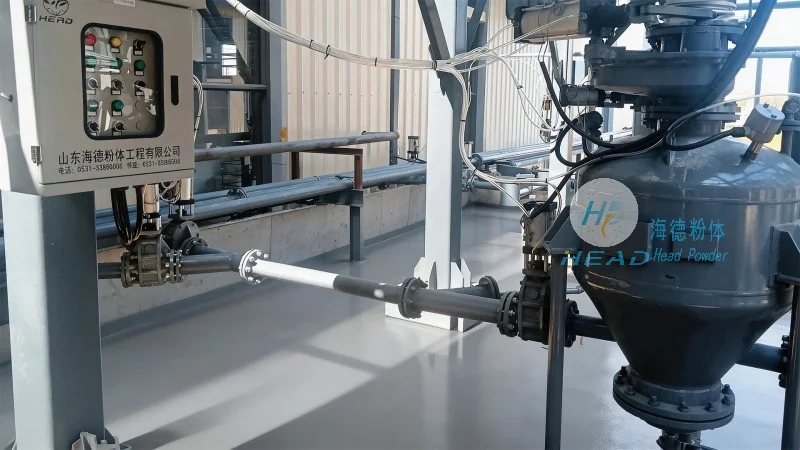
Key Components and Types of Heavy Powder Handling Equipment
Heavy powder material handling equipment encompasses a range of machinery designed to handle different types of powders. Common types include screw conveyors, pneumatic conveying systems, bucket elevators, and belt conveyors. Each type has unique characteristics and is suitable for specific applications. For instance, screw conveyors are ideal for horizontal or slightly inclined transport of free-flowing powders, while pneumatic conveying systems use air pressure to move powders through pipes. Bucket elevators are commonly used for vertical lifting of bulk materials, and belt conveyors are versatile for both horizontal and inclined transport over longer distances. The selection of the appropriate equipment depends on factors such as material density, particle size distribution, moisture content, and the required transport distance.
Design Principles for Heavy Powder Handling Equipment
The design of heavy powder material handling equipment is guided by several fundamental principles to ensure optimal performance and reliability. One of the primary principles is the consideration of material properties. Engineers must analyze the physical characteristics of the powder, including its density, particle size distribution, moisture content, and flowability. These properties directly impact the equipment's design, such as the choice of conveyor type and the selection of appropriate materials for the conveyor components. For example, cohesive or sticky powders may require special designs, such as the use of flexible or segmented conveyor belts to prevent material buildup and blockages.
Another critical design principle is the maintenance of material integrity. Heavy powder handling systems are designed to minimize degradation or contamination of the material during transport. This involves using materials that are compatible with the powder, ensuring proper sealing to prevent dust emissions, and incorporating features that prevent cross-contamination. For instance, in food processing industries, equipment must be constructed from food-grade materials and designed to maintain hygienic conditions. In chemical industries, equipment must be resistant to corrosion and chemical reactions.

System Integration and Operational Efficiency
Effective heavy powder material handling equipment is not just about individual components but also about their integration into a larger system. The design process considers the entire material flow from the source to the destination, including storage, processing, and delivery. This holistic approach ensures that the equipment operates efficiently and in harmony with other processes. For example, the integration of a screw conveyor with a storage silo allows for seamless material transfer from the silo to the processing unit. Similarly, the use of automated control systems can optimize the operation of the equipment, reducing downtime and improving productivity.
Engineering Considerations and Safety Measures
Designing heavy powder handling equipment involves careful consideration of engineering principles and safety measures. Structural integrity is a key concern, especially for equipment handling heavy loads or operating under high pressures. Engineers must ensure that the equipment can withstand the stresses and loads associated with the material being transported. This includes proper reinforcement of conveyor frames, use of durable materials for components, and regular maintenance to prevent structural failures.
Safety is another paramount aspect of equipment design. Heavy powder handling systems can pose risks such as dust explosions, material blockages, and mechanical hazards. Therefore, safety measures are integrated into the design, including explosion-proof designs for pneumatic systems, emergency stop mechanisms, and proper ventilation to control dust levels. Additionally, equipment must comply with relevant safety standards and regulations to ensure the protection of operators and the surrounding environment.

Applications and Industry Impact
Heavy powder material handling equipment is widely used across various industries, including food processing, pharmaceuticals, chemicals, and mining. In the food industry, these systems are used to transport ingredients like flour, sugar, and spices, ensuring efficient and hygienic processing. In the pharmaceutical industry, equipment is designed to handle sensitive powders, maintaining strict cleanliness and preventing contamination. In the chemical industry, equipment is used to transport raw materials and finished products, often requiring corrosion-resistant materials and specialized designs.
The impact of these equipment systems extends beyond individual processes. They contribute to overall operational efficiency, reducing labor costs and improving productivity. By streamlining material transport, these systems enable industries to meet high production demands while maintaining quality standards. Furthermore, the design and implementation of these equipment systems reflect the continuous advancement in engineering and technology, adapting to the evolving needs of industrial applications.
Conclusion
Heavy powder material handling equipment is a vital component of modern industrial operations, and their design is a complex process that balances functionality, efficiency, and safety. By considering material properties, system integration, and engineering principles, manufacturers can develop equipment that meets the specific needs of various industries. As technology advances, the design of these systems will continue to evolve, incorporating new materials, automation, and control technologies to enhance performance and sustainability. For businesses operating in sectors that rely on bulk material handling, understanding the design principles and capabilities of heavy powder handling equipment is essential for optimizing operations and achieving long-term success.