

Design Considerations for Rubber Granule Pneumatic Conveying System Solutions
For industrial applications involving the handling of rubber granules, the selection and design of an efficient pneumatic conveying system are critical to operational success. This document outlines key considerations and best practices for engineers and facility managers when developing a rubber granule pneumatic conveying system solution, with a focus on ensuring reliability, efficiency, and cost-effectiveness.

Introduction to Rubber Granule Pneumatic Conveying Systems
Rubber granules, often used in recycling, manufacturing, and processing industries, require specialized handling due to their size, density, and potential for dust generation. Pneumatic conveying systems offer a non-contact, low-maintenance method to transport these materials over short to medium distances. The effectiveness of such systems depends heavily on proper design, which must account for material properties, system pressure, and operational environment.
Key Design Considerations for Efficient Operation
When designing a rubber granule pneumatic conveying system, several factors must be carefully evaluated to ensure optimal performance. These include the type of conveying (e.g., pressure or vacuum), the required flow rate, and the system's pressure drop characteristics. Engineers must also consider the impact of rubber granule size distribution, moisture content, and potential agglomeration on system efficiency.
System Components and Their Functional Roles
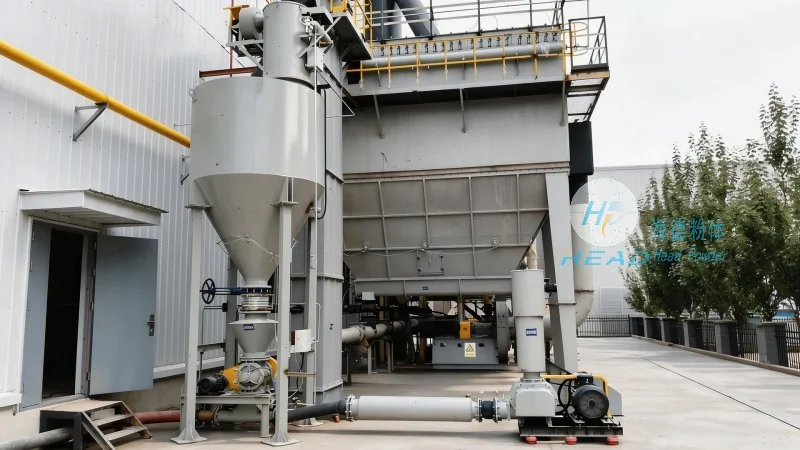
A typical rubber granule pneumatic conveying system comprises several key components, each with specific functions. The feed hopper is responsible for storing and feeding the rubber granules into the system, while the air compressor or vacuum pump generates the necessary pressure or suction to move the material. The pipeline network transports the material and air mixture, and the separation equipment (e.g., cyclones or filters) separates the rubber granules from the air stream. The control system manages the entire process, ensuring consistent operation and safety.
Material Characteristics and Impact on System Design
Rubber granules vary in size, density, and shape, which directly influences system design. For example, smaller granules may require higher air velocities to prevent clogging, while larger granules might need larger pipe diameters to maintain flow. The density of the material affects the required pressure or vacuum levels, as denser materials demand more energy to transport. Additionally, the presence of moisture or contaminants can impact the system's performance and may necessitate additional drying or filtration steps.
Flow Rate and Pressure Requirements Analysis
Calculating the appropriate flow rate and pressure is a critical step in system design. The flow rate is determined by the production rate of rubber granules and the desired conveying speed. Pressure requirements are influenced by the system's length, pipe diameter, and the number of bends or fittings. Engineers use computational fluid dynamics (CFD) and empirical formulas to model the system and predict pressure drop, ensuring that the air compressor or vacuum pump can meet the operational demands without excessive energy consumption.
Safety and Maintenance Protocols for Long-Term Reliability
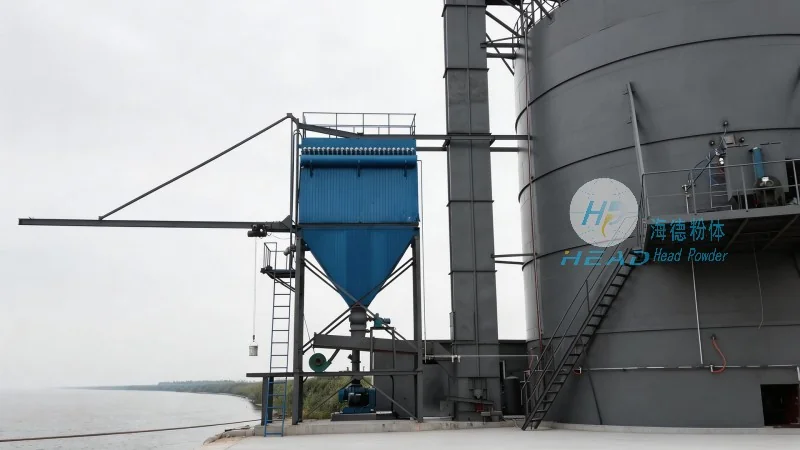
Ensuring the safety and longevity of the pneumatic conveying system is paramount. Regular maintenance, including cleaning of filters, checking for leaks, and inspecting pipeline integrity, is essential to prevent system failures. Safety measures such as explosion-proof components, dust collection systems, and emergency shut-off valves are critical, especially when handling materials that may pose fire or health risks. Proper training for operators and adherence to industry standards (e.g., ASME, NFPA) further enhance system reliability and compliance.
Case Study: Successful Implementation by Shandong HeadPowder Engineering Co., Ltd.
Shandong HeadPowder Engineering Co., Ltd., a leading provider of engineering solutions, has successfully implemented rubber granule pneumatic conveying systems for various clients. By leveraging their expertise in material handling and system design, they have optimized processes for clients in the rubber recycling and manufacturing sectors. For instance, one project involved designing a pressure pneumatic conveying system for a client processing recycled rubber granules, where the system was tailored to handle granule sizes ranging from 1 to 5 mm and required a flow rate of 10 tons per hour. The system achieved a 15% reduction in energy consumption compared to traditional methods, demonstrating the effectiveness of proper design and engineering.