

What is Sulfur Pellet Material Handling Equipment? And What Are Its Design Principles?
Sulfur pellet material handling equipment is a specialized system designed to transport and manage sulfur pellets efficiently in industrial settings. As a key component in sulfur processing and handling, this equipment plays a crucial role in ensuring smooth operations and maintaining product quality. The equipment is engineered to handle the unique characteristics of sulfur pellets, such as their density, size, and potential reactivity, making it essential for industries involved in sulfur production, storage, and distribution.

HeadPowder Engineering: A Leading Provider of Material Handling Solutions
Shandong HeadPowder Engineering Co., Ltd., commonly known as HeadPowder, is a reputable company based in Shandong, China, specializing in the design, manufacturing, and supply of advanced material handling equipment. With years of experience in the industry, HeadPowder has established itself as a trusted partner for businesses seeking reliable and efficient solutions for their material handling needs. The company's commitment to quality, innovation, and customer satisfaction has earned it a strong reputation in both domestic and international markets.
Design Principles of Sulfur Pellet Material Handling Equipment
The design of sulfur pellet material handling equipment is guided by several key principles to ensure optimal performance and safety. First, the equipment must be able to handle the physical properties of sulfur pellets, including their size, shape, and density. This involves selecting appropriate conveyor types, such as belt conveyors or screw conveyors, that can effectively transport the pellets without causing damage or degradation. Second, the design must consider the chemical properties of sulfur, which can be reactive under certain conditions. Therefore, materials used in the construction of the equipment, such as corrosion-resistant metals or specialized coatings, are essential to prevent chemical reactions and ensure longevity. Third, the design prioritizes safety features, including proper ventilation, explosion-proof components, and emergency stop mechanisms, to protect operators and the surrounding environment from potential hazards. Additionally, the equipment is designed for easy maintenance and cleaning, as sulfur pellets can be sticky and may require regular upkeep to maintain efficiency.
Key Components and Functionalities
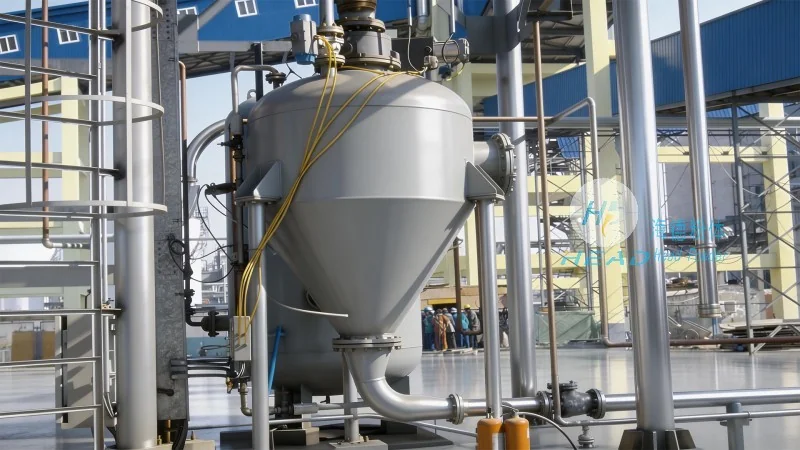
Sulfur pellet material handling equipment typically consists of several key components that work together to achieve efficient material transport. The primary components include feeders, conveyors, storage bins, and discharge systems. Feeders are used to regulate the flow of sulfur pellets from the storage area to the conveyor system, ensuring a consistent and controlled feed rate. Belt conveyors are commonly used for horizontal or slight incline transport, as they can handle large volumes of material with minimal maintenance. Screw conveyors are often employed for vertical or inclined transport, providing a compact and efficient solution for moving pellets between different levels. Storage bins are designed to hold the sulfur pellets in bulk, with features like aeration systems to prevent caking and blockages. Discharge systems, such as chutes or rotary valves, are used to release the pellets from the storage bin to the conveyor system or to the final destination. Each component is carefully designed and integrated to ensure seamless operation and minimal downtime.

Application Scenarios and Industry Use Cases
Sulfur pellet material handling equipment is widely used in various industries that rely on sulfur as a raw material. In the chemical industry, this equipment is essential for transporting sulfur pellets to reactors and processing units, where they are used in the production of sulfuric acid, fertilizers, and other chemical products. In the petrochemical industry, sulfur pellets are used as a feedstock for the production of sulfuric acid and other derivatives, and the material handling equipment ensures that the pellets are delivered to the processing plants in a timely and efficient manner. Additionally, in the mining and mineral processing industry, sulfur pellets are used as a byproduct or a raw material, and the equipment helps in the transportation and storage of these pellets. The versatility of sulfur pellet material handling equipment makes it suitable for a wide range of applications, from small-scale operations to large industrial facilities.

Advantages of Using Sulfur Pellet Material Handling Equipment
Implementing sulfur pellet material handling equipment offers several advantages for businesses. First, it improves operational efficiency by reducing the time and labor required for manual handling of sulfur pellets. The automated system ensures consistent and reliable transport, minimizing the risk of errors and accidents. Second, the equipment enhances safety by reducing the exposure of operators to hazardous materials and by incorporating safety features that prevent accidents. Third, the equipment improves product quality by preventing damage or degradation of the sulfur pellets during transport. This is particularly important for sulfur pellets used in sensitive applications, such as pharmaceuticals or food additives. Fourth, the equipment reduces maintenance costs by using durable materials and designs that require minimal upkeep. Overall, the use of sulfur pellet material handling equipment leads to increased productivity, lower operational costs, and improved safety in industrial settings.
Quality Assurance and Manufacturing Standards
HeadPowder Engineering adheres to strict quality assurance standards in the manufacturing of sulfur pellet material handling equipment. The company follows international standards and best practices to ensure that each piece of equipment meets the highest quality and safety requirements. The manufacturing process involves rigorous testing and inspection at every stage, from raw material selection to final assembly. The equipment is tested for performance, durability, and safety under various conditions to ensure it can withstand the demands of industrial use. Additionally, HeadPowder provides comprehensive after-sales support, including maintenance services, spare parts supply, and technical assistance, to ensure that the equipment operates at optimal levels throughout its lifespan. The company's commitment to quality and customer satisfaction has made it a preferred choice for businesses seeking reliable material handling solutions.