

What is the Powder Conveying Equipment for Carboxymethyl Cellulose? And What Are Its Design Principl
Carboxymethyl cellulose (CMC) is a widely used water-soluble polymer in industries such as pharmaceuticals, food, and construction. As a fine powder, CMC often requires specialized equipment for efficient and reliable transportation. The powder conveying equipment designed for CMC plays a crucial role in ensuring smooth flow, which is essential for maintaining product quality and operational efficiency in manufacturing processes.

Powder Conveying Equipment for Carboxymethyl Cellulose: An Overview
HeadPowder Engineering Co., Ltd., a leading manufacturer based in Shandong, China, specializes in developing advanced powder handling solutions tailored to the unique properties of carboxymethyl cellulose. The company’s equipment is engineered to address challenges like caking and bridging, which are common in fine powders. By providing consistent and controlled flow, the equipment minimizes material loss and ensures uniform distribution in downstream processes. The design prioritizes the hygienic and functional requirements of CMC, which is often used in sensitive applications such as food and pharmaceuticals.
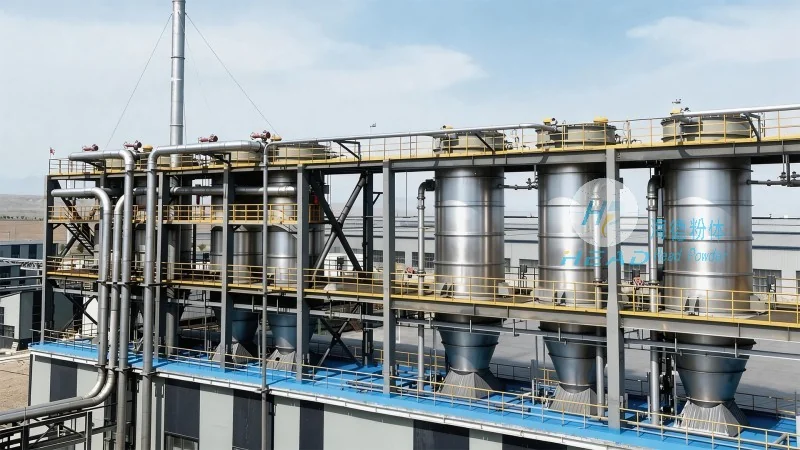
Key Features of the Powder Conveying Equipment
The powder conveying equipment for carboxymethyl cellulose incorporates several key features that enhance performance and reliability. The hopper, a primary component, is designed with a conical or rectangular shape to facilitate material accumulation without blockages. It is equipped with a discharge valve or rotary valve to control flow rate, enabling precise dosing. To prevent caking, the hopper may include a vibration or agitation system, ensuring the material remains free-flowing. The equipment also features smooth, easy-to-clean surfaces and anti-static coatings, addressing the hygienic and static-related challenges of CMC. These features collectively contribute to efficient and safe handling of the fine powder.

Design Principles Behind the Equipment
The design principles of the powder conveying equipment for carboxymethyl cellulose are centered on understanding the physical properties of the material and optimizing the equipment to match those characteristics. Carboxymethyl cellulose is a fine powder with a relatively low bulk density and high surface area, which can lead to issues like static charge accumulation and poor flowability. To address these challenges, the equipment is designed with a low-friction interior and anti-static coatings to prevent material buildup and ensure smooth movement. The conveying mechanism, such as a screw conveyor or a pneumatic system, is selected based on the specific requirements of the application, such as the required flow rate and the distance over which the material needs to be transported. The screw conveyor, for example, provides a continuous and controlled flow, while the pneumatic system offers flexibility for long-distance transport. The design also incorporates safety features, such as overload protection and emergency stop mechanisms, to ensure safe operation in industrial settings. These principles ensure the equipment is tailored to the unique needs of CMC, maximizing efficiency and reliability.

Applications and Benefits of the Equipment
The powder conveying equipment for carboxymethyl cellulose is widely used in various industries where CMC is a critical component. In the pharmaceutical industry, the equipment is used to transport CMC into mixing and granulation processes, ensuring uniform distribution of the polymer in drug formulations. This uniformity is crucial for maintaining the efficacy and stability of pharmaceutical products. In the food industry, it is used to handle CMC in the production of food additives and thickeners, maintaining product consistency and quality. The benefits of using this equipment include improved process efficiency, reduced material waste, and enhanced product quality. By ensuring consistent flow and preventing caking, the equipment helps to minimize downtime and maintenance costs, leading to increased productivity and profitability for manufacturers. Additionally, the equipment’s design supports scalability, allowing it to adapt to varying production volumes and process requirements, making it a versatile solution for different industrial applications.