

What is the Cobalt Hydroxide Powder Handling Equipment? And What Are Its Design Principles?
Understanding the Cobalt Hydroxide Powder Handling Equipment and Its Design Principles
Introduction to Cobalt Hydroxide Powder Handling Equipment
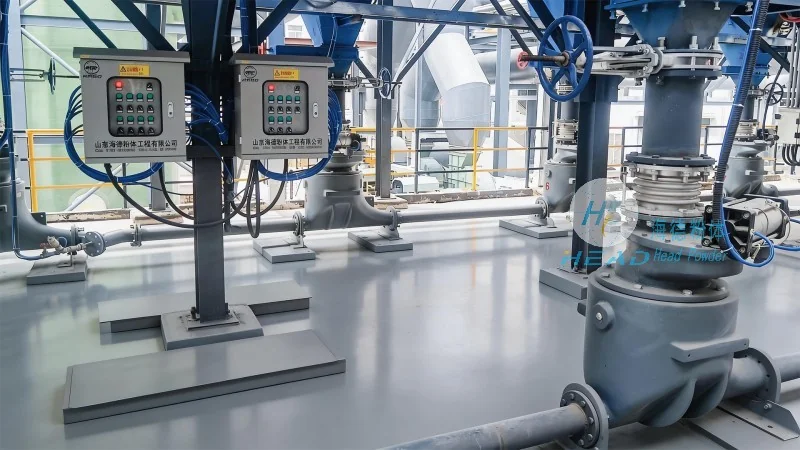
The Cobalt Hydroxide Powder Handling Equipment is a specialized system engineered to manage the transportation, storage, and processing of cobalt hydroxide powder. This material, widely used in battery manufacturing and other industrial applications, requires precise handling to ensure efficiency and safety. The equipment is designed to address the unique challenges associated with handling fine powders, such as dust control, material flow management, and environmental compliance. As a key component in the production line, this equipment plays a crucial role in maintaining product quality and operational reliability.
About HeadPowder: Your Trusted Partner in Powder Handling Solutions
HeadPowder, or Shandong HeadPowder Engineering Co., Ltd., is a leading manufacturer specializing in advanced powder handling equipment. With a strong presence in China, particularly in Shandong, the company has built a reputation for delivering high-quality, customized solutions tailored to the needs of various industries. HeadPowder's expertise lies in understanding the specific requirements of materials like cobalt hydroxide, enabling the development of equipment that optimizes performance while ensuring safety and efficiency. The company's commitment to innovation and customer satisfaction has made it a preferred choice for businesses seeking reliable powder handling systems.

Overview of the Cobalt Hydroxide Powder Handling Equipment
The Cobalt Hydroxide Powder Handling Equipment is a comprehensive system that integrates multiple components to facilitate the seamless movement of cobalt hydroxide powder. Key features include advanced feeding mechanisms, conveying systems, and storage solutions, all designed to handle the material's properties effectively. The equipment is engineered to minimize dust generation, prevent material degradation, and ensure consistent flow rates, which are critical for maintaining product purity and reducing operational downtime. By incorporating state-of-the-art technology, the system enhances productivity while adhering to industry standards for safety and environmental protection.
Design Principles and Technical Specifications
The design of the Cobalt Hydroxide Powder Handling Equipment is based on several fundamental principles aimed at optimizing performance and reliability. One of the core principles is the use of enclosed systems to control dust and prevent contamination, which is essential for handling sensitive materials like cobalt hydroxide. The equipment employs robust materials, such as stainless steel, to resist corrosion and ensure long-term durability. Additionally, the design incorporates adjustable parameters, such as speed and pressure, allowing operators to fine-tune the system according to the specific characteristics of the powder. The conveying mechanisms, typically including screw conveyors or pneumatic systems, are carefully selected to match the material's flow properties, ensuring smooth and efficient transportation. The storage components, such as silos or hoppers, are designed with proper venting and aeration to prevent caking and maintain material flowability.
Key Features and Benefits
The Cobalt Hydroxide Powder Handling Equipment offers several advantages that make it an ideal choice for industrial applications. One of the primary benefits is its ability to maintain the integrity of the powder, preventing agglomeration and ensuring consistent particle size distribution. This is crucial for downstream processes, such as battery production, where the quality of the raw material directly impacts the final product's performance. The equipment also enhances operational safety by minimizing exposure to dust and other hazards, reducing the risk of health issues for workers. Furthermore, the system's modular design allows for easy integration into existing production lines, reducing installation time and costs. The energy-efficient operation and low maintenance requirements contribute to long-term cost savings, making it a sustainable and economical solution for businesses.

Application Scenarios and Operational Considerations
The Cobalt Hydroxide Powder Handling Equipment is suitable for a wide range of applications, including battery manufacturing, chemical processing, and material research. In battery production, the equipment is used to transport cobalt hydroxide from storage to processing units, ensuring a steady supply of raw material. The system's ability to handle fine powders without clogging or degradation makes it ideal for this application. In chemical processing, the equipment can be integrated into larger production lines to manage the flow of various powders, improving overall process efficiency. Operational considerations include regular maintenance, such as cleaning and lubrication, to ensure the equipment operates at optimal levels. Additionally, proper training for operators is essential to maximize the system's performance and safety. By adhering to these considerations, businesses can fully leverage the benefits of the Cobalt Hydroxide Powder Handling Equipment.
Conclusion: The Importance of Reliable Powder Handling Equipment
In conclusion, the Cobalt Hydroxide Powder Handling Equipment is a critical component in the production of cobalt hydroxide-based products. Its design, based on advanced principles and technology, ensures efficient and safe handling of the material. HeadPowder's expertise in manufacturing such equipment has enabled the company to deliver solutions that meet the specific needs of various industries. By investing in high-quality powder handling equipment, businesses can enhance productivity, maintain product quality, and ensure long-term operational success. The Cobalt Hydroxide Powder Handling Equipment, with its robust design and reliable performance, stands as a testament to the importance of specialized equipment in modern industrial processes.