

What is Weighing Feeding and Powder Material Handling? Exploring Its Design Principles
When it comes to handling bulk materials, especially powders, the efficiency and accuracy of the feeding process are critical. Weighing feeding systems play a pivotal role in ensuring consistent material flow, precise dosing, and overall operational reliability in industrial applications. This article delves into the concept of weighing feeding for powder material handling and explains the underlying design principles that make such systems effective.
Understanding Weighing Feeding Systems
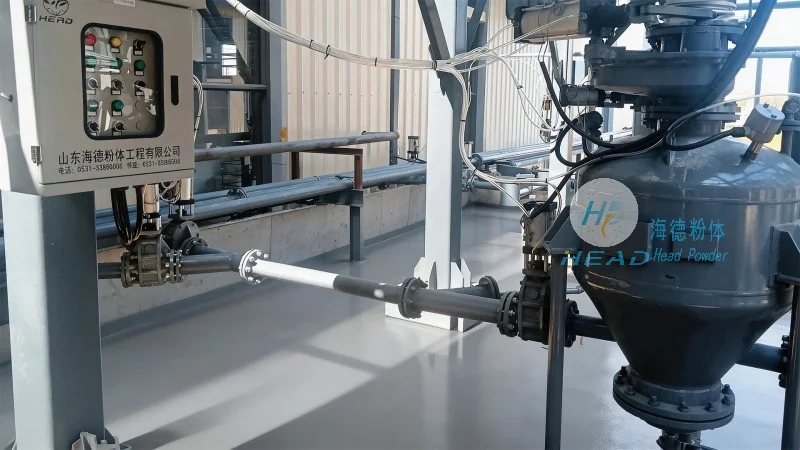
Weighing feeding, also known as gravimetric feeding, is a method used to measure and control the flow rate of bulk materials by weighing them in real-time. Unlike volumetric feeding, which measures material volume, weighing feeding provides a more accurate and consistent flow rate, making it ideal for applications where precision is paramount, such as in pharmaceuticals, food processing, and chemical manufacturing. The core components of a weighing feeding system typically include a feeder (often a screw or belt feeder), a load cell or weighing sensor, a control unit, and a drive mechanism. The system continuously monitors the weight of the material being fed, adjusting the feeder speed to maintain the desired flow rate. This closed-loop control ensures that the material is delivered at a consistent rate, regardless of variations in material density or bulk density. Shandong HeadPowder Engineering Co., Ltd. (headpowder) specializes in designing and manufacturing such advanced weighing feeding systems for various industrial applications.
The Design Principles Behind Weighing Feeding
The design of a weighing feeding system is based on several key principles to ensure optimal performance and reliability. First, the system must provide accurate weight measurement. This is achieved through high-precision load cells or sensors that can detect even small changes in weight, typically with a resolution of a few grams or less. The load cells are integrated into the feeder or the hopper, and their data is transmitted to the control unit. Second, the control algorithm is crucial. Modern weighing feeding systems use advanced control logic, often based on PID (Proportional-Integral-Derivative) control, to adjust the feeder speed in real-time. The algorithm continuously compares the actual weight with the setpoint (desired flow rate) and adjusts the feeder speed to minimize the error. Third, the system must be robust and able to handle variations in material properties. This includes accommodating changes in bulk density, material flow characteristics, and even variations in the material's moisture content. The design often incorporates features like material conditioning, such as pre-sieving or pre-drying, to ensure consistent material behavior. Fourth, the system must be easy to operate and maintain. User-friendly interfaces, remote monitoring capabilities, and modular components allow for quick adjustments and maintenance, reducing downtime and operational costs.

Applications of Weighing Feeding in Powder Handling
Weighing feeding systems are widely used in various industries where precise material handling is essential. In the pharmaceutical industry, for example, they are used to feed active pharmaceutical ingredients (APIs) and excipients with high accuracy, ensuring that the final dosage is consistent and meets regulatory standards. In the food industry, they are used to handle ingredients like flour, sugar, and spices, maintaining the quality and consistency of food products. In the chemical industry, they are used to feed raw materials for processes like mixing, blending, and compounding, where precise dosing is critical for product quality and safety. The versatility of weighing feeding systems makes them suitable for a wide range of applications, from small-scale laboratory operations to large-scale industrial production lines.
Key Features of Weighing Feeding Systems
Modern weighing feeding systems offer several key features that enhance their performance and usability. One of the most important features is the ability to handle a wide range of material types and sizes. This includes fine powders, granules, and even bulk materials with high moisture content. The systems are designed to accommodate different material flow characteristics, such as cohesive or non-cohesive materials, by adjusting the feeder design and control parameters. Another key feature is the integration of advanced sensors and controls. Many systems now use digital load cells and wireless communication, allowing for real-time data monitoring and remote control. This enables operators to track the system's performance, detect anomalies, and make adjustments from a central location. Additionally, many systems are equipped with self-diagnostics and alarm systems, which can alert operators to issues like overloading, underflow, or sensor failure, ensuring timely maintenance and preventing production disruptions.

Benefits of Using Weighing Feeding Systems
Implementing a weighing feeding system in powder material handling operations offers several significant benefits. The primary benefit is improved accuracy and consistency in material flow. By measuring the weight of the material rather than its volume, the system can compensate for variations in material density and bulk density, ensuring that the correct amount of material is delivered. This leads to better product quality and reduced waste, as over or under-dosing is minimized. Another benefit is increased operational efficiency. The closed-loop control system allows for faster response times to changes in demand or material conditions, reducing downtime and increasing throughput. Additionally, weighing feeding systems can help reduce energy consumption by optimizing the feeder speed and minimizing unnecessary movement. Finally, the systems are designed to be durable and reliable, with long service lives and low maintenance requirements, making them a cost-effective solution for long-term material handling needs.
Conclusion
Weighing feeding systems are essential components in modern powder material handling operations, providing accurate, consistent, and reliable material flow. The design principles behind these systems, including precise weight measurement, advanced control algorithms, and robust construction, ensure that they can handle a wide range of materials and applications. By understanding the benefits and features of weighing feeding systems, businesses can make informed decisions about implementing such technology to improve their operational efficiency and product quality. As the demand for precise material handling continues to grow, weighing feeding systems will remain a critical tool in various industries, supporting the production of high-quality products and meeting the needs of modern manufacturing.