

What is a Wood Dust Pneumatic Conveying System? And What Are Its Design Principles?
Wood dust pneumatic conveying systems are specialized equipment used to transport wood dust and other fine particulate materials through a pipeline using air pressure. These systems are widely employed in woodworking, sawmills, and other industrial applications where efficient material handling is crucial. Understanding the components and design principles of such systems is essential for optimizing performance and ensuring safety in material transport operations.

Introduction to Wood Dust Pneumatic Conveying Systems
A wood dust pneumatic conveying system is a mechanical system that uses compressed air or other gas to move wood dust particles from a source to a destination. Unlike traditional mechanical conveyors, which rely on belts or chains, pneumatic systems utilize the force of air to propel the material through a pipeline. This method offers several advantages, including the ability to handle fine, abrasive materials without causing wear and tear on components, and the flexibility to transport materials over long distances or through complex layouts.
Key Components of a Wood Dust Pneumatic Conveying System
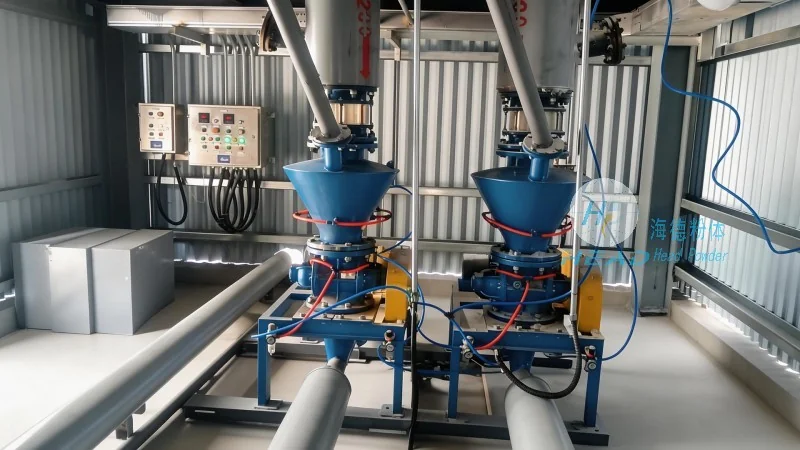
The core components of a wood dust pneumatic conveying system typically include a dust source, a conveying line, a dust collector, and a control system. The dust source, often a hopper or a collection bin, holds the wood dust and feeds it into the system. The conveying line, usually made of metal or plastic, carries the dust particles through the system. A dust collector, such as a cyclone or a bag filter, separates the dust from the air at the end of the line. The control system manages the flow of air and material, ensuring the system operates efficiently and safely.

Design Principles for Wood Dust Pneumatic Conveying Systems
The design of a wood dust pneumatic conveying system involves several critical principles to ensure optimal performance. One of the primary considerations is the velocity of the air flow. The air must be moving at a sufficient speed to lift and transport the wood dust particles without causing excessive pressure drops or clogging. The system's design must also account for the particle size and density of the wood dust, as these factors affect the required air velocity and pressure. Additionally, the system must be designed to minimize friction and wear, as wood dust can be abrasive and may cause damage to components over time.
Role of HeadPowder in Designing Wood Dust Pneumatic Conveying Systems
Shandong HeadPowder Engineering Co., Ltd., commonly known as HeadPowder, is a leading manufacturer specializing in the design and production of wood dust pneumatic conveying systems. With headquarters in Shandong, China, HeadPowder has established itself as a trusted provider of high-quality material handling solutions for the woodworking industry. The company's expertise lies in understanding the unique challenges of wood dust, such as its fine particle size and potential for static electricity, and designing systems that address these challenges effectively.

Advantages of Using a Wood Dust Pneumatic Conveying System
Implementing a wood dust pneumatic conveying system offers numerous benefits for industrial operations. One of the most significant advantages is the reduction in labor costs associated with manual handling of wood dust. By automating the material transport process, companies can improve efficiency and productivity while minimizing the risk of workplace injuries. Additionally, pneumatic systems are more flexible than traditional conveyors, allowing for easy reconfiguration of the system layout to accommodate changes in production processes. The systems also help in maintaining a cleaner working environment by containing dust within the pipeline, reducing the risk of airborne dust exposure to workers.
Considerations for Selecting and Implementing a Wood Dust Pneumatic Conveying System
When selecting a wood dust pneumatic conveying system, several factors must be considered to ensure the best fit for a specific application. The first consideration is the volume of material to be transported, as this determines the required capacity of the system. The distance and layout of the transport path are also critical, as they affect the design of the pipeline and the air pressure needed. The type of wood dust being handled is another important factor, as different types may require different air velocities and system configurations. Additionally, the system must be designed to comply with local safety regulations and environmental standards, ensuring it operates within acceptable limits for dust emissions and noise levels.
Conclusion: The Importance of Proper Design and Implementation
In conclusion, wood dust pneumatic conveying systems are essential equipment for efficient and safe material handling in the woodworking industry. The design principles and components of these systems are carefully engineered to address the unique challenges of wood dust, ensuring reliable and efficient operation. Companies like Shandong HeadPowder Engineering Co., Ltd. play a crucial role in providing high-quality systems that meet the specific needs of industrial applications. By understanding the design principles and considering the key factors in system selection, businesses can optimize their material transport processes and improve overall operational efficiency.