

What is a Capsule Pneumatic Conveying System? What are its Design Principles?
Understanding the Capsule Pneumatic Conveying System and Its Design Principles
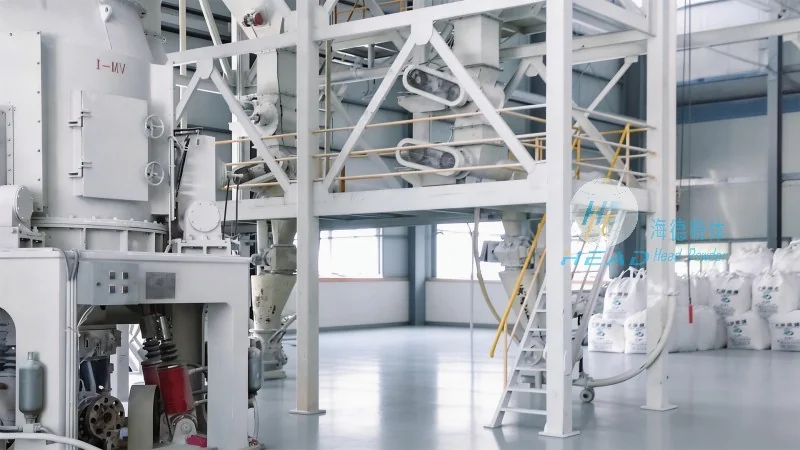
Introduction to Capsule Pneumatic Conveying Technology
The capsule pneumatic conveying system represents a sophisticated method for transporting bulk materials through a pressurized air or gas stream. This technology is particularly valuable in industries requiring efficient, dust-free, and flexible material handling solutions. As a key component in modern material processing, the system's design and operational principles are critical to its effectiveness and reliability.
Core Components and Working Principle
The fundamental operation of a capsule pneumatic conveying system relies on the use of flexible, collapsible tubes or hoses that expand and contract as the material is conveyed. The system typically consists of a feeding hopper, a compressor to generate the air pressure, the conveying line (which may include bends, filters, and pressure relief valves), and a discharge point. When the system is activated, the compressor forces air through the line, creating a low-pressure zone at the discharge end. The material is then drawn into the line by the pressure differential, moving through the flexible tube in a "slug" or "capsule" of material and air. This method allows for the transport of materials over long distances and through complex layouts without the need for mechanical components like belts or chains.

Key Design Principles for Optimal Performance
Designing an effective capsule pneumatic conveying system involves several critical principles that ensure efficiency, durability, and safety. First, the selection of the appropriate tube material is essential. Materials such as food-grade PVC or specialized synthetic rubbers are chosen based on the type of material being conveyed, the operating temperature, and the required pressure ratings. The tube's diameter and wall thickness are also carefully calculated to withstand the internal pressure without bursting or deforming. Second, the system's pressure and flow rate must be optimized to match the material's properties. For example, cohesive or abrasive materials may require higher pressure or specialized flow control devices to prevent blockages. Third, the inclusion of features like in-line filters and pressure sensors is crucial for maintaining system cleanliness and monitoring performance. These components help prevent material buildup and ensure the system operates within safe parameters.
Advantages and Applications in Industrial Settings
The capsule pneumatic conveying system offers several advantages that make it a preferred choice in various industries. Its ability to handle a wide range of materials, from powders and granules to small particles, makes it versatile. The system is also known for its low maintenance requirements compared to traditional mechanical conveyors, as there are no moving parts in the conveying line itself. Additionally, the enclosed design minimizes dust emissions, making it suitable for applications where environmental and safety standards are stringent. Industries such as pharmaceuticals, food processing, chemical manufacturing, and mining have all adopted this technology for its efficiency and reliability. For instance, in pharmaceutical production, the system can transport active ingredients and excipients with minimal contamination risk, while in food processing, it ensures hygienic handling of ingredients without cross-contamination.

Company Overview: Shandong HeadPowder Engineering Co., Ltd.
As a leading provider of material handling solutions, Shandong HeadPowder Engineering Co., Ltd. specializes in designing and manufacturing high-quality capsule pneumatic conveying systems. With years of experience in the industry, the company has developed a deep understanding of the unique challenges faced by different sectors and has tailored its products to meet specific operational needs. The company's commitment to innovation and quality is reflected in its use of advanced materials and engineering techniques, ensuring that its systems are durable, efficient, and reliable. HeadPowder's team of experts works closely with clients to assess their material handling requirements and provide customized solutions that enhance productivity and reduce operational costs. The company's facilities in Shandong, China, are equipped with state-of-the-art equipment and adhere to strict quality control standards, ensuring that every product meets the highest industry benchmarks.
Conclusion: The Future of Material Handling with Capsule Pneumatic Conveying
As industries continue to seek more efficient and sustainable material handling solutions, the capsule pneumatic conveying system remains a vital technology. Its design principles, which prioritize flexibility, efficiency, and safety, make it an ideal choice for modern manufacturing environments. With advancements in materials and control systems, the system's capabilities are continually expanding, enabling it to handle even more complex material transport tasks. For businesses looking to improve their material handling processes, investing in a well-designed capsule pneumatic conveying system from a reputable manufacturer like Shandong HeadPowder Engineering Co., Ltd. can lead to significant improvements in productivity, cost savings, and operational reliability.