

What is Diatomite Pneumatic Conveying? And What Are Its Design Principles?
Understanding Diatomite Pneumatic Conveying Systems and Their Design Principles

Introduction to Diatomite Pneumatic Conveying
Diatomite, a natural sedimentary rock composed primarily of fossilized diatoms, is widely used in various industrial applications due to its unique properties such as high porosity, low bulk density, and excellent filtration capabilities. Pneumatic conveying is a method of transporting bulk materials like diatomite through a pipeline using air or gas as the conveying medium. This technology offers several advantages over traditional mechanical conveying systems, including reduced equipment wear, lower maintenance costs, and the ability to handle materials in a dust-free environment. For industries dealing with diatomite, understanding the principles of pneumatic conveying is crucial for optimizing material handling processes and ensuring efficient operations. The expertise in this field is provided by companies like Shandong HeadPowder Engineering Co., Ltd., a leading manufacturer specializing in diatomite processing equipment.
Key Components of a Diatomite Pneumatic Conveying System
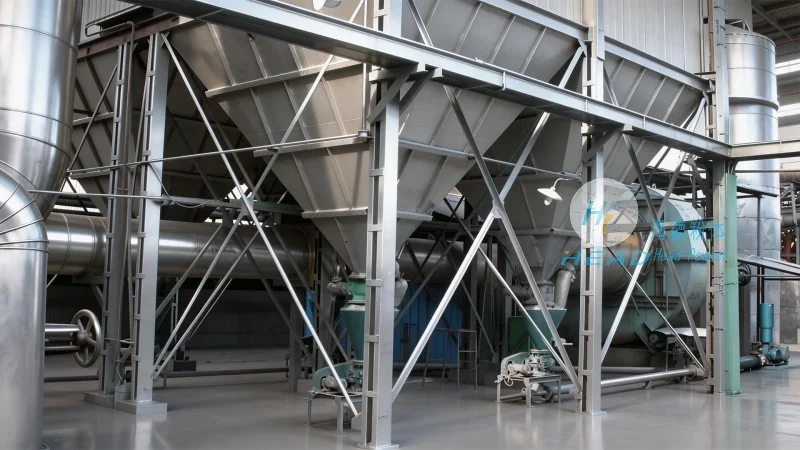
A typical diatomite pneumatic conveying system consists of several key components that work together to transport the material from the source to the destination. The main components include the material feed hopper, the conveying line (usually made of stainless steel or other corrosion-resistant materials), the air or gas source (such as a blower or compressor), and the discharge equipment. The feed hopper is designed to store and feed the diatomite into the conveying line at a controlled rate, preventing blockages and ensuring a consistent flow. The conveying line is equipped with appropriate fittings, such as elbows and tees, to direct the material along the desired path. The air source provides the necessary pressure and flow rate to move the diatomite particles through the line. Finally, the discharge equipment, such as a receiver or silo, collects the material at the end of the conveying line.

Design Principles for Diatomite Pneumatic Conveying
The design of a diatomite pneumatic conveying system involves several critical principles to ensure efficient and reliable operation. One of the primary principles is the selection of the appropriate conveying velocity, which is the speed at which the air or gas moves through the pipeline. The conveying velocity must be high enough to keep the diatomite particles suspended in the air stream but low enough to prevent excessive wear on the pipeline and equipment. The velocity is typically determined based on the particle size, density, and flow rate of the diatomite. Another important principle is the calculation of the air volume and pressure required to transport the material. This involves considering the material's properties, such as its bulk density and flowability, as well as the length and diameter of the conveying line. The system must be designed to maintain a consistent pressure and flow rate to avoid material buildup or blockages. Additionally, the design must account for the potential for dust generation and the need for proper filtration and dust collection systems to comply with environmental regulations.
Advantages of Diatomite Pneumatic Conveying
Implementing a pneumatic conveying system for diatomite offers numerous advantages over traditional methods. One of the most significant benefits is the reduction in labor costs, as the system can operate with minimal human intervention. The automated feeding and conveying processes reduce the need for manual handling, which also minimizes the risk of accidents and exposure to dust. Another advantage is the improved material quality, as the system prevents contamination and degradation of the diatomite during transport. The dust-free environment also enhances worker safety and reduces the need for personal protective equipment. Furthermore, pneumatic conveying systems are more flexible and can be easily expanded or modified to accommodate changes in production requirements. This adaptability makes them suitable for various industrial applications, from small-scale operations to large-scale processing plants.
Considerations for System Maintenance and Operation
Proper maintenance and operation of a diatomite pneumatic conveying system are essential to ensure long-term reliability and efficiency. Regular inspections of the conveying line and components are necessary to detect and address any issues such as wear, corrosion, or blockages. The air source and filtration systems should be checked regularly to ensure they are functioning correctly and to prevent dust accumulation. The feed hopper and discharge equipment should also be inspected for any signs of wear or damage. Additionally, the system should be operated within the recommended parameters, such as the conveying velocity and pressure, to avoid excessive wear or material degradation. Proper training of operators is also crucial to ensure the system is used correctly and to minimize the risk of accidents. By following these maintenance and operation guidelines, the system can operate efficiently and reliably for many years, providing a cost-effective solution for diatomite handling.