

What is Barite Pneumatic Conveying? And What Are Its Design Principles?
Barite, a heavy mineral commonly used in oil drilling and other industrial applications, often requires efficient and reliable material handling solutions. Pneumatic conveying is a method that uses air or other gases to transport bulk materials like barite from one location to another. This technology offers advantages such as reduced equipment wear, improved safety, and the ability to handle materials in hazardous environments. For industries dealing with barite, understanding the principles behind pneumatic conveying systems is crucial for optimizing operations and ensuring effective material transport.
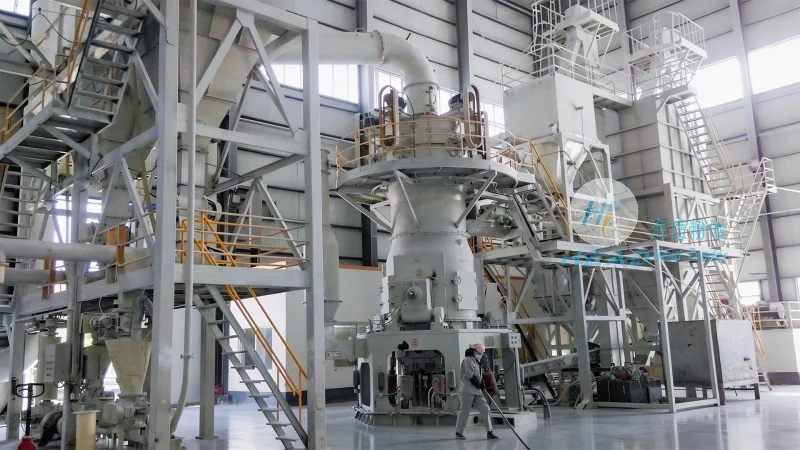
Key Components and System Design Considerations
The design of a barite pneumatic conveying system involves several key components and considerations. The primary components typically include a material feed hopper, a conveyor line (either positive or negative pressure), a dust collector, and a discharge outlet. The choice between positive and negative pressure systems depends on the specific application, material characteristics, and operational requirements. Positive pressure systems push air and material through the line, while negative pressure systems draw material into the system using suction.
Material Feed Hoppers and Flow Control
Material feed hoppers are designed to store and feed the barite into the conveyor line. These hoppers often include feeding mechanisms like rotary valves or screw conveyors to control the flow rate and prevent blockages. The hopper's design must account for the material's bulk density, flowability, and potential for bridging or caking. Proper hopper design ensures consistent material supply to the conveyor, which is essential for maintaining system efficiency.

The Conveyor Line: Diameter, Material, and Pressure Type
The conveyor line itself is a critical component, with design considerations including pipe diameter, material of construction, and the type of air flow (positive or negative pressure). The pipe diameter must be large enough to prevent excessive pressure drop and material degradation. Materials of construction, such as stainless steel or special alloys, are chosen based on the barite's chemical properties and the system's operating conditions. For example, if the barite contains corrosive components, a more durable material may be required to prevent pipe erosion or degradation over time.
Dust Collectors and Air Filtration
Dust collectors are essential in pneumatic conveying systems to capture and remove fine particles from the air stream. These collectors, often equipped with filters or cyclones, help maintain air quality and prevent dust accumulation in the system. The design of the dust collector must be matched to the system's airflow rate and the particle size distribution of the barite. Proper filtration ensures that the air is clean and that the system operates within regulatory limits for air emissions.

Control Systems and Automation
Control systems play a vital role in the operation of barite pneumatic conveying systems. These systems typically include sensors to monitor pressure, flow rate, and material level, as well as control valves to regulate air flow and material feed. Automated control allows for precise management of the conveying process, reducing the risk of overloading or underloading the system. This automation also enhances safety by preventing human error and ensuring consistent performance.
Energy Efficiency and Operational Costs
Energy efficiency is another important consideration in the design of barite pneumatic conveying systems. The system's power consumption can be optimized through proper sizing of the conveyor line, selection of efficient air movers (fans or blowers), and the use of energy-saving controls. Reducing energy consumption not only lowers operational costs but also aligns with sustainability goals in industrial operations.

Maintenance and Operational Guidelines
Maintenance and operational considerations are also critical for the long-term performance of barite pneumatic conveying systems. Regular maintenance, including cleaning of the conveyor line, inspection of components, and replacement of worn parts, is necessary to prevent system downtime and ensure reliable operation. Operational guidelines, such as proper material handling procedures and system start-up/shut-down protocols, help maintain the system's efficiency and longevity.
Conclusion: Tailored Solutions for Barite Handling
In conclusion, barite pneumatic conveying is a sophisticated technology that requires careful design and consideration of various factors. By understanding the system components, design principles, and operational requirements, industries can effectively utilize this technology to transport barite efficiently and safely. The expertise of companies like Shandong HeadPowder Engineering Co., Ltd. (headpowder) in designing and implementing such systems ensures that clients receive tailored solutions that meet their specific needs and operational goals.