

Components of Corn Pneumatic Conveying Systems
Corn pneumatic conveying systems are integral to modern agricultural processing, enabling efficient transport of bulk corn from storage to processing units. These systems rely on a combination of air pressure and material flow to achieve reliable material handling. Understanding the key components that make up such a system is essential for optimizing performance, minimizing downtime, and ensuring long-term operational reliability. This article provides a detailed overview of the components that constitute a corn pneumatic conveying system, with a focus on their functions and interdependencies.

Core Components of a Corn Pneumatic Conveying System
A typical corn pneumatic conveying system comprises several critical components that work in unison to facilitate material transport. These include the hopper, feeder, air compressor, pipeline network, and receiver. Each component serves a specific purpose, and their proper integration is vital for the system's efficiency. The hopper stores the corn, the feeder regulates material flow, the air compressor generates the necessary pressure, the pipeline network transports the material, and the receiver collects the delivered corn. Together, these elements form a cohesive system designed to handle bulk corn with precision and consistency.
The Hopper: Storage and Feeding Foundation
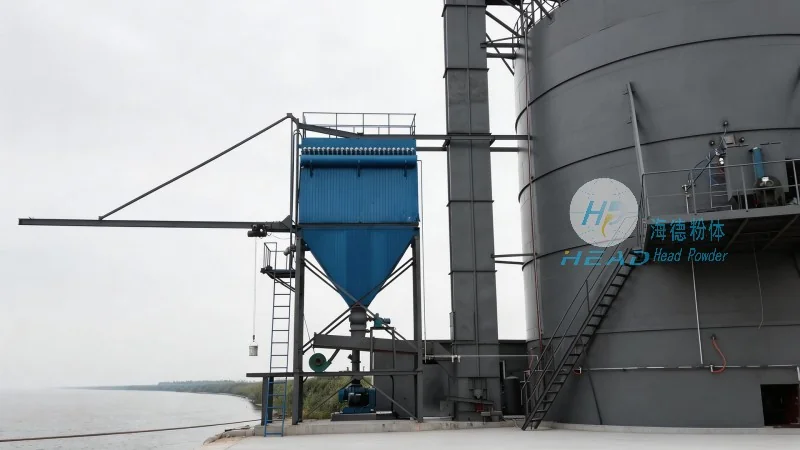
The hopper is the initial component of the corn pneumatic conveying system, responsible for storing the corn before it enters the transport process. It is typically constructed from durable materials like stainless steel or reinforced plastic to withstand the weight and abrasion of bulk corn. The hopper's design includes a large capacity to accommodate substantial corn storage, ensuring a steady supply of material to the feeder. The hopper also features a sloped bottom to facilitate smooth material flow into the feeder. Proper sizing and material selection are crucial to prevent material buildup and maintain consistent feeding rates. The feeder, often a rotary valve or screw feeder, regulates the flow of corn from the hopper into the pipeline, controlling the rate at which corn is introduced to the system. This regulation is critical for maintaining the optimal air-to-material ratio, which directly impacts the system's capacity and efficiency.
Air Compressor: Powering the Conveying Process
The air compressor is the heart of the corn pneumatic conveying system, providing the force required to move corn particles through the pipeline. It generates high-pressure air that is mixed with the corn in the feeder, creating a slurry-like flow. The compressor's capacity and pressure must be matched to the system's requirements to avoid underperformance or excessive energy consumption. Modern systems often incorporate variable-speed compressors or pressure regulation mechanisms to maintain stable pressure levels, ensuring consistent material transport. The compressor also includes filtration systems to remove contaminants from the air, preventing damage to the pipeline and receiver components. Proper maintenance of the air compressor, including regular filter changes and lubrication, is essential to sustain its performance and longevity.
Pipeline Network: The Transport Pathway
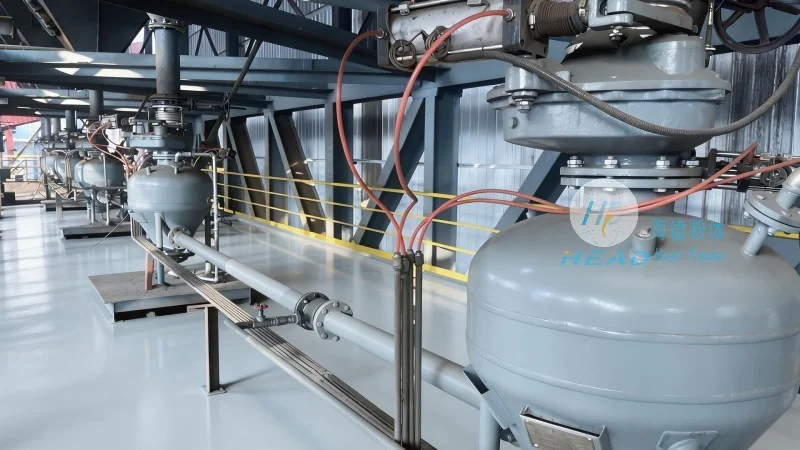
The pipeline network is a network of pipes and fittings that connects all components of the corn pneumatic conveying system. The pipes are typically made of stainless steel or PVC, chosen for their durability and resistance to corrosion from corn dust and moisture. The fittings, including elbows, tees, and reducers, are designed to direct the flow of corn and air while minimizing pressure loss. Properly sized and installed pipelines are critical for maintaining the system's efficiency; excessive friction can lead to reduced capacity and increased energy consumption. The pipeline network may also include pressure sensors and flow meters to monitor system performance in real-time. These monitoring tools help operators identify potential issues, such as blockages or pressure drops, and take corrective actions promptly. The design of the pipeline network considers factors like corn particle size, moisture content, and system length to ensure optimal transport conditions.
Receiver: Final Collection and Storage
The receiver is the final component of the corn pneumatic conveying system, where the corn is collected after traveling through the pipeline. It is typically a large hopper or silo designed to store the delivered corn. The receiver may include a discharge valve or conveyor to transfer the corn to the next processing stage, such as milling or drying. The design of the receiver is important to prevent material buildup and ensure that the corn is discharged smoothly. Regular cleaning and inspection of the receiver are necessary to maintain system efficiency and prevent blockages. The receiver may also feature level sensors to indicate when it is full, triggering alerts to the operator. Proper maintenance of the receiver, including periodic cleaning and inspection of the discharge mechanism, ensures reliable operation and prevents material loss or contamination.
System Integration and Maintenance Best Practices
Effective corn pneumatic conveying systems require careful integration of all components and adherence to maintenance best practices. The system must be designed to handle the specific characteristics of corn, such as its size, moisture content, and density. This involves selecting appropriate components and configuring the system parameters to match the material's properties. Regular maintenance, including cleaning of the hopper, feeder, and pipeline, is essential to prevent clogging and ensure consistent performance. Additionally, monitoring the system's performance through pressure and flow sensors helps identify potential issues before they become major problems. By maintaining the system properly, operators can maximize its lifespan and ensure reliable operation. Shandong HeadPowder Engineering Co., Ltd., a leading manufacturer in the field, specializes in designing and manufacturing high-quality corn pneumatic conveying systems. With years of experience and a commitment to quality, HeadPowder provides systems tailored to the specific needs of agricultural processing facilities. The company's expertise in material handling technology ensures that their systems are efficient, reliable, and durable, helping clients improve their operational efficiency and reduce costs.