

Components of Pneumatic Conveying for Bone Powder
When it comes to the efficient and reliable transport of bone powder, understanding the key components of pneumatic conveying systems is essential. Pneumatic conveying, a method that uses air or gas to move bulk materials like bone powder, relies on a carefully designed system to ensure optimal performance and minimal material degradation. The components involved in this process are tailored to handle the specific characteristics of bone powder, such as its particle size, moisture content, and flowability.

About Shandong HeadPowder Engineering Co., Ltd.
Shandong HeadPowder Engineering Co., Ltd., operating under the brand name headpowder, specializes in the design, manufacturing, and implementation of advanced pneumatic conveying solutions. With a focus on industrial applications involving bone powder and similar bulk materials, the company leverages decades of experience to deliver customized systems that meet the unique demands of each client. HeadPowder's expertise lies in integrating cutting-edge technology with practical engineering to ensure that every component of the pneumatic conveying system is optimized for efficiency, durability, and safety.
Key Components of Pneumatic Conveying for Bone Powder
The pneumatic conveying system for bone powder typically consists of several critical components that work in concert to facilitate the movement of material from the source to the destination. These components are designed to handle the specific properties of bone powder, ensuring that the material is conveyed without excessive pressure drops, particle breakage, or contamination. The primary components include:
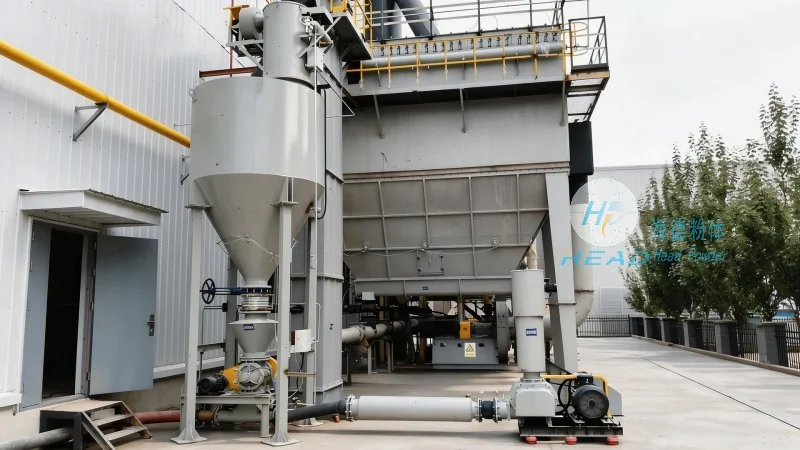
- Feed Hopper: The feed hopper is the initial component where bone powder is stored and prepared for conveying. It is designed to maintain a consistent material level and provide a controlled feed rate to the conveying system. The hopper may include features such as level sensors and agitators to prevent material bridging and ensure smooth material flow.
- Pneumatic Conveying Line: This is the main pipeline through which compressed air or gas is introduced to transport the bone powder. The line is typically made of materials like stainless steel or plastic, chosen for their resistance to corrosion and compatibility with bone powder. The diameter and length of the line are carefully selected based on the material's flow characteristics and the distance to be covered.
- Compressor or Blower: The compressor or blower generates the necessary pressure and airflow to move the bone powder through the conveying line. Different types of compressors, such as rotary lobe or centrifugal blowers, are used depending on the system's requirements. The choice of equipment is based on factors like the required air volume, pressure, and energy efficiency.
- Control System: A sophisticated control system monitors and regulates the operation of the pneumatic conveying system. This includes sensors for pressure, flow rate, and material level, as well as automated controls that adjust the feed rate and air pressure to maintain optimal conveying conditions. The control system ensures that the process is safe, efficient, and consistent.
- Receiving Hopper or Silo: The receiving hopper or silo is where the bone powder is deposited at the end of the conveying line. It is designed to store the material safely and provide a buffer for downstream processes. The hopper may include features such as discharge gates and level indicators to facilitate material handling.
Material Handling Considerations for Bone Powder
When designing a pneumatic conveying system for bone powder, several factors must be considered to ensure the system operates effectively. Bone powder is often a fine, dry material that can be prone to caking or bridging if not handled properly. The components of the system must be designed to prevent these issues, such as using hopper designs with appropriate angles and agitators to maintain material flow. Additionally, the system must be equipped with filters and cleaning mechanisms to prevent dust accumulation and maintain air quality. The choice of materials for the conveying line and components is critical to prevent corrosion or contamination from the bone powder, which could affect the quality of the final product.
Customization and Application in Industrial Settings
HeadPowder recognizes that each industrial application has unique requirements, and therefore, the pneumatic conveying systems are customized to fit specific needs. Whether it's a small-scale operation or a large-scale production facility, the company's engineers work closely with clients to design systems that maximize efficiency and minimize operational costs. The components are selected based on factors such as the volume of bone powder to be conveyed, the distance between the source and destination, and the environmental conditions of the facility. This customization ensures that the system not only meets the current needs but is also scalable for future expansion.

Ensuring Reliability and Longevity
Reliability is a top priority in the design and implementation of pneumatic conveying systems for bone powder. The components are built to withstand the rigors of continuous operation and are made from high-quality materials that resist wear and tear. Regular maintenance and monitoring are essential to ensure the system operates at peak performance. HeadPowder provides comprehensive support, including maintenance services and technical assistance, to help clients maintain their systems and extend their lifespan. By focusing on durability and reliability, the company ensures that its clients can rely on the pneumatic conveying systems for consistent and efficient material handling.
Conclusion
In summary, the components of a pneumatic conveying system for bone powder are carefully selected and integrated to ensure efficient and safe material transport. From the feed hopper to the receiving silo, each component plays a critical role in the overall performance of the system. With expertise in industrial applications and a commitment to quality, Shandong HeadPowder Engineering Co., Ltd. delivers customized solutions that meet the specific needs of clients. By understanding the key components and material handling considerations, businesses can optimize their bone powder processing operations and achieve greater efficiency and productivity.