

Technical Parameters and Transport System Process for Aluminum Dross
Aluminum dross, a byproduct of aluminum smelting and processing, presents unique technical challenges in terms of handling and transport. Understanding its specific characteristics is crucial for developing effective processing and transport systems. This document outlines the key technical parameters of aluminum dross and details the engineering solutions provided by Shandong HeadPowder Engineering Co., Ltd. for its efficient transport and management.
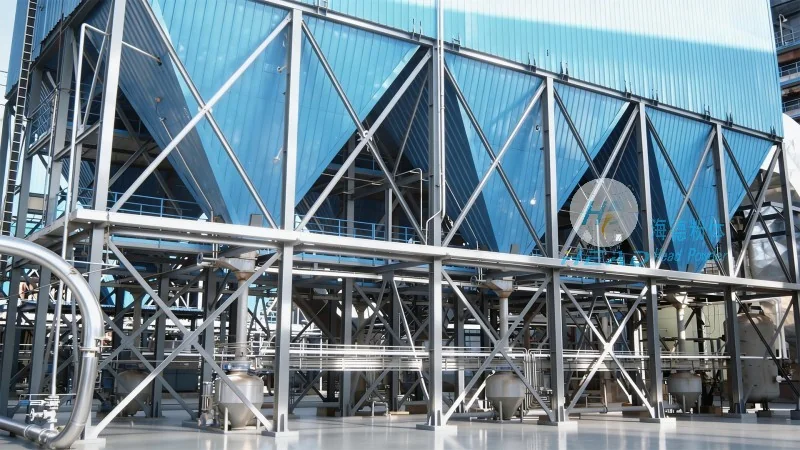
Key Technical Parameters of Aluminum Dross
Aluminum dross is a heterogeneous material composed primarily of aluminum, silicon, and other metal oxides, along with residual flux and impurities. Its physical properties vary significantly based on the smelting process and the type of aluminum being produced. The density of aluminum dross typically ranges from 1.5 to 2.5 g/cm³, depending on the composition and moisture content. The material often exhibits a granular or powdery texture, which can affect its flowability and handling characteristics. Moisture content is a critical parameter, as excessive moisture can lead to caking and blockages in transport systems. The chemical composition, including the proportion of metallic aluminum versus oxide content, also influences the thermal and reactivity properties of the dross, impacting processing methods and safety considerations.

Transport System Process for Aluminum Dross
The transport of aluminum dross requires specialized equipment and processes to ensure safety, efficiency, and minimal material loss. Shandong HeadPowder Engineering Co., Ltd. has developed advanced transport systems tailored to the unique properties of aluminum dross. These systems typically incorporate a combination of conveyor technologies, such as screw conveyors, belt conveyors, and pneumatic conveying systems, designed to handle the material's variability. The process begins with the collection and pre-processing of dross, where it is often crushed or screened to achieve a consistent particle size. This step improves flowability and reduces the risk of blockages in downstream transport equipment. The pre-processed dross is then fed into the primary transport system, which may involve a series of interconnected conveyors or a pneumatic pipeline system. For high-volume applications, screw conveyors are commonly used due to their ability to handle bulk materials with minimal maintenance. Belt conveyors are employed for longer horizontal or inclined transport distances, providing reliable and continuous movement of the dross. Pneumatic conveying systems are particularly effective for transporting fine or dusty dross, utilizing air pressure to move material through pipelines, which can be advantageous in environments where dust control is critical.

Engineering Solutions by Shandong HeadPowder Engineering Co., Ltd.
As a leading provider of engineering solutions for material handling and processing, Shandong HeadPowder Engineering Co., Ltd. specializes in designing and implementing customized transport systems for aluminum dross. The company's approach involves a comprehensive understanding of the client's operational needs, including production capacity, material characteristics, and site constraints. Engineers at HeadPowder conduct thorough site assessments and material testing to determine the optimal transport configuration. This includes selecting the appropriate conveyor type, determining the necessary power and speed specifications, and integrating safety features such as dust suppression and explosion-proof designs. The company's systems are built with high-quality materials, such as stainless steel and corrosion-resistant alloys, to withstand the chemical and thermal stresses associated with aluminum dross processing. Additionally, HeadPowder offers maintenance and support services to ensure the long-term reliability and efficiency of the transport systems. The company's commitment to innovation and customer satisfaction has made it a trusted partner for aluminum processing facilities seeking to optimize their dross handling operations.

Conclusion
In summary, the effective management of aluminum dross relies on a deep understanding of its technical parameters and the implementation of specialized transport systems. Shandong HeadPowder Engineering Co., Ltd. provides comprehensive solutions that address the unique challenges of aluminum dross handling, from material characterization to the design and operation of efficient transport systems. By leveraging advanced engineering and tailored equipment, HeadPowder helps aluminum processing plants enhance productivity, reduce operational costs, and ensure safe and sustainable dross management.