

[Pneumatic Conveying in the Bulk Handling of Rice Noodles]
Efficient and reliable bulk material handling is crucial for the rice noodle production industry. Among various methods, pneumatic conveying systems have emerged as a preferred solution for transporting rice noodles in bulk. This article explores the application of pneumatic conveying in the context of rice noodle handling, highlighting its benefits, technical considerations, and the role of specialized engineering companies like Shandong HeadPowder Engineering Co., Ltd. in implementing such systems.

Understanding Pneumatic Conveying for Rice Noodles
Pneumatic conveying utilizes air or gas to transport bulk materials through a pipeline system. In the case of rice noodles, this method offers several advantages over traditional mechanical conveyors. The primary benefit is the ability to handle delicate and hygienic products without causing damage or contamination. Rice noodles are often sensitive to mechanical stress, and pneumatic systems provide a gentle, low-friction environment that preserves their quality and texture. Additionally, these systems can operate in a closed loop, ensuring that the product remains protected from external contaminants and maintaining strict hygiene standards essential for food processing.
Key Benefits of Pneumatic Conveying in Rice Noodle Handling
Implementing pneumatic conveying for rice noodles brings multiple operational advantages. First, it enhances production efficiency by enabling continuous and automated material flow. Unlike manual or mechanical conveyors that may require frequent stops and adjustments, pneumatic systems can operate continuously, reducing downtime and increasing throughput. Second, the closed system design minimizes product exposure to dust, moisture, and other environmental factors, which is critical for maintaining the product's freshness and shelf life. This is particularly important for rice noodles, which are often stored for extended periods before distribution.
Another significant benefit is the flexibility of pneumatic conveying systems. They can be easily integrated into existing production lines, allowing for modular expansion as production needs grow. This adaptability makes them suitable for both small-scale and large-scale rice noodle manufacturers. Furthermore, the systems can handle varying material densities and flow rates, ensuring consistent performance regardless of the production volume. The ability to control air pressure and flow rates allows for precise regulation of the conveying process, optimizing energy consumption and reducing operational costs.
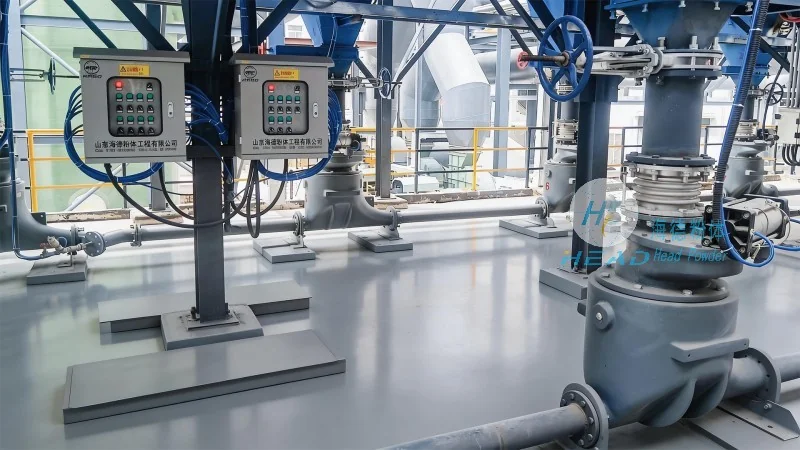
Technical Considerations for Pneumatic Conveying Systems
When designing a pneumatic conveying system for rice noodles, several technical factors must be carefully considered. The first is the selection of the appropriate conveying type, such as pressure or vacuum systems. Pressure systems are typically used for short to medium distances and high material flow rates, while vacuum systems are better suited for longer distances or when handling lighter materials. For rice noodles, a pressure system is often preferred due to the need for high flow rates and the ability to maintain a positive pressure environment that prevents contamination.
Material handling capacity is another critical factor. The system must be designed to handle the specific bulk density and flow characteristics of rice noodles. This involves calculating the required air velocity and pressure to ensure that the material is conveyed efficiently without causing blockages or excessive wear on the system components. The choice of pipeline materials is also important, as they must be food-grade and resistant to corrosion and abrasion from the rice noodles.
Component selection, including air compressors, filters, and separation equipment, plays a vital role in the system's performance. High-quality, energy-efficient air compressors are essential to maintain consistent pressure and minimize operational costs. Filters are crucial for maintaining air purity and preventing dust accumulation, which can affect the conveying efficiency and product quality. Separation equipment, such as cyclones or bag filters, is used to remove any fine particles or moisture from the air, ensuring that the system operates smoothly and that the rice noodles remain clean.

Role of Shandong HeadPowder Engineering Co., Ltd. in Implementing Pneumatic Conveying Solutions
Shandong HeadPowder Engineering Co., Ltd., commonly known as HeadPowder, is a leading provider of specialized engineering solutions for bulk material handling. With a focus on the food processing industry, HeadPowder has extensive experience in designing and implementing pneumatic conveying systems tailored to the unique needs of rice noodle manufacturers. The company's expertise lies in understanding the specific challenges faced by the industry, such as maintaining product integrity, ensuring hygiene compliance, and optimizing operational efficiency.
HeadPowder's approach to system design involves a comprehensive analysis of the client's production requirements, including the volume of rice noodles to be handled, the distance of the conveying system, and the existing infrastructure. This detailed assessment allows the company to develop customized solutions that meet the specific needs of each client. The engineering team at HeadPowder leverages advanced technology and industry best practices to design systems that are not only efficient but also cost-effective and reliable.

One of the key strengths of HeadPowder is its commitment to quality and compliance. The company adheres to strict food safety standards and regulations, ensuring that all components and materials used in the pneumatic conveying systems are food-grade and meet the necessary certifications. This commitment to quality helps clients maintain their product's reputation and meet regulatory requirements, which is critical in the competitive rice noodle market.
HeadPowder also provides comprehensive after-sales support, including system maintenance, troubleshooting, and upgrades. This ensures that the pneumatic conveying systems continue to operate at optimal performance levels throughout their lifespan. The company's technical support team is available to assist clients with any issues that may arise, providing timely solutions and minimizing downtime.
Conclusion: Enhancing Efficiency and Quality in Rice Noodle Production
In conclusion, pneumatic conveying is a highly effective method for the bulk handling of rice noodles, offering numerous benefits over traditional mechanical systems. By leveraging the expertise of companies like Shandong HeadPowder Engineering Co., Ltd., rice noodle manufacturers can implement efficient, hygienic, and reliable conveying systems that enhance their production processes and product quality. The integration of advanced pneumatic conveying technology, combined with the specialized engineering services of HeadPowder, ensures that rice noodle production remains competitive and sustainable in today's market.