

Types and Practical Applications of Pneumatic Conveying Systems for Lithium-Ion Battery Positive Ele
When it comes to the efficient and reliable transportation of lithium-ion battery positive electrode materials, pneumatic conveying systems have emerged as a critical solution in modern material handling. These systems utilize air or other gases to move powders and bulk materials through a pipeline network, offering advantages such as dust-free operation, flexibility in layout, and the ability to handle materials over long distances. For companies operating in the battery manufacturing sector, selecting the right type of pneumatic conveying system is essential to ensure optimal performance, safety, and cost-effectiveness.

Types of Pneumatic Conveying Systems for Battery Materials
There are primarily two main categories of pneumatic conveying systems: pressure and vacuum systems. Each type has distinct characteristics and is suitable for different material handling scenarios.
Pressure systems operate by blowing air or gas into the conveying line under pressure, typically using a positive displacement blower or a rotary lobe blower. These systems are ideal for conveying materials over longer distances and can handle a wide range of particle sizes and densities. They are commonly used in applications where the material needs to be transported from a central storage area to multiple processing points or production lines.
Vacuum systems, on the other hand, create a negative pressure in the conveying line to draw material from a source, such as a hopper or storage bin. This type of system is often preferred for short-distance conveying or when the material is to be collected from multiple points and transported to a central processing unit. Vacuum systems are particularly effective for handling materials that are prone to dust or require a more gentle handling approach.

Practical Applications of Pneumatic Conveying in Battery Manufacturing
Shandong HeadPowder Engineering Co., Ltd., a leading provider of material handling solutions, has extensive experience in implementing pneumatic conveying systems for lithium-ion battery positive electrode material handling. The company’s expertise lies in customizing systems to meet the specific requirements of each client, ensuring that the chosen solution aligns with production capacity, material characteristics, and operational constraints.
One of the key applications of pneumatic conveying in battery manufacturing is the transport of active materials, such as lithium cobalt oxide (LCO), lithium nickel manganese cobalt oxide (NMC), and lithium iron phosphate (LFP). These materials are often in powder form and require careful handling to prevent agglomeration and maintain consistent particle size distribution. Pneumatic conveying systems can effectively transport these powders from raw material storage to mixing, coating, and cell assembly stages without the need for manual handling or bulk transport vehicles.
Another practical application is the integration of pneumatic conveying with automated production lines. By connecting the conveying system to existing machinery, such as mixers, extruders, and coating machines, manufacturers can achieve seamless material flow, reducing downtime and improving overall production efficiency. This integration also helps in maintaining a clean and controlled environment, which is crucial for battery material quality and safety.

Furthermore, pneumatic conveying systems can be designed to handle materials with varying moisture content or particle sizes, making them versatile for different battery chemistries. For instance, in the production of lithium iron phosphate batteries, where the material is often more abrasive and prone to dust generation, a pressure pneumatic conveying system with appropriate filtration and dust control measures can be employed to ensure safe and efficient transport.
Key Considerations for Selecting a Pneumatic Conveying System
When selecting a pneumatic conveying system for lithium-ion battery positive electrode material handling, several factors must be considered to ensure optimal performance and longevity. First, the material characteristics, including particle size, density, and moisture content, play a significant role in determining the system type and design. For example, fine powders may require a higher air velocity and more robust filtration to prevent clogging, while larger particles might benefit from a lower velocity and a more gentle conveying approach.
Second, the distance and layout of the conveying system are critical. Longer distances may necessitate the use of pressure systems with intermediate boosters or vacuum systems with additional suction points. The system design should also consider the number of pick-up and discharge points, as well as the need for material storage and blending before processing.
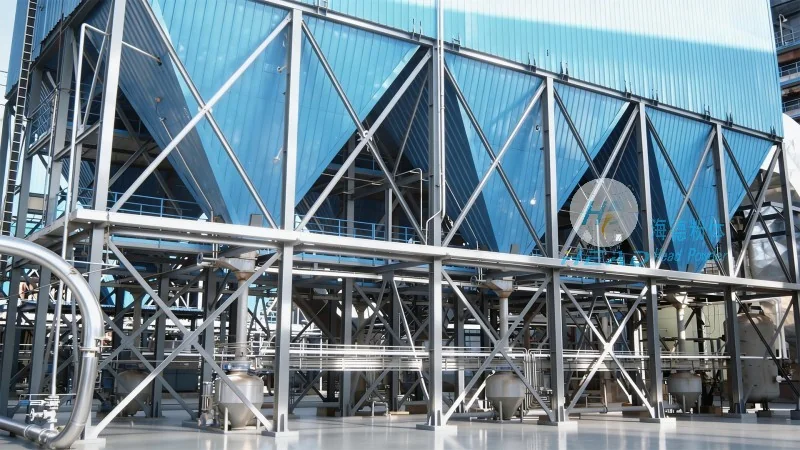
Third, safety and environmental considerations are paramount. Pneumatic conveying systems must be equipped with proper dust collection and filtration to comply with industrial safety regulations and prevent environmental contamination. Additionally, the system should be designed to minimize the risk of material spillage or leakage, which could lead to product contamination or operational hazards.
Shandong HeadPowder Engineering Co., Ltd. offers comprehensive solutions that address these considerations, providing clients with tailored pneumatic conveying systems that meet their specific needs while adhering to industry standards and best practices.
Conclusion
Pneumatic conveying systems represent a sophisticated and efficient solution for the transportation of lithium-ion battery positive electrode materials. By understanding the different types of systems available and their practical applications, manufacturers can make informed decisions that enhance production efficiency, ensure material quality, and maintain a safe working environment. With its expertise in material handling, Shandong HeadPowder Engineering Co., Ltd. continues to play a vital role in supporting the battery industry with reliable and customized pneumatic conveying solutions.