

Analysis of Lime Powder Pneumatic Conveying Technology: Comparison of Positive and Negative Pressure
For industrial applications involving the handling of lime powder, the choice of pneumatic conveying system is critical to operational efficiency, material integrity, and overall process reliability. Among the various methods available, positive pressure and negative pressure systems represent two primary approaches to transporting bulk materials like lime powder. This article provides a detailed analysis of these two modes, focusing on their operational principles, advantages, disadvantages, and practical considerations for different industrial scenarios.

Introduction to Pneumatic Conveying Systems
Pneumatic conveying is a method of transporting bulk materials through a pipeline using a gas stream, typically air. In the context of lime powder, which is often used in flue gas desulfurization, industrial processes, and construction applications, the efficiency of material transport directly impacts the performance of downstream equipment and the overall cost of production. The two main categories of pneumatic conveying systems are positive pressure and negative pressure, each with distinct characteristics that make them suitable for different operational requirements.
Company Overview: Shandong HeadPowder Engineering Co., Ltd.
Shandong HeadPowder Engineering Co., Ltd., commonly known as HeadPowder, is a leading provider of engineering solutions for bulk material handling, including pneumatic conveying systems. With operations based in Shandong, China, the company specializes in designing, manufacturing, and implementing customized solutions tailored to the specific needs of clients in various industries. HeadPowder's expertise lies in optimizing material transport processes, ensuring compliance with safety and environmental standards, and delivering systems that enhance operational efficiency and reduce maintenance costs.
Positive Pressure Pneumatic Conveying System
Positive pressure systems operate by generating air pressure inside the conveying line, which forces the material to move through the pipeline. This mode is often referred to as "blow-through" or "pressure-assisted" conveying. The primary advantage of positive pressure systems is their ability to handle long distances and multiple transfer points without significant pressure drops. They are particularly effective for transporting abrasive or corrosive materials like lime powder, as the high-pressure air helps to maintain material flow and prevent blockages. Additionally, positive pressure systems can be designed to operate at higher velocities, which reduces the risk of material degradation and improves overall system performance.

However, positive pressure systems also have several drawbacks. The most significant is the requirement for robust equipment capable of withstanding high internal pressures, which increases initial capital investment and maintenance costs. Moreover, these systems generate higher noise levels and require more energy to operate compared to negative pressure systems. Another consideration is the potential for dust emissions at the discharge point, which may necessitate additional filtration or environmental control measures.
Negative Pressure Pneumatic Conveying System
Negative pressure systems, also known as "suction" or "vacuum" conveying, operate by creating a vacuum inside the conveying line, drawing material from the source and pulling it through the pipeline. This mode is often preferred for applications where the material source is located at a higher elevation or where the material is sensitive to high-velocity air streams. Negative pressure systems are generally more energy-efficient than positive pressure systems, as they require less power to generate the necessary vacuum. They also produce lower noise levels and are better suited for handling materials that are prone to degradation or agglomeration.
Despite these advantages, negative pressure systems have limitations. The most notable is their reduced ability to handle long distances or multiple transfer points, as the vacuum pressure drops significantly over longer pipelines. This can lead to reduced material flow rates and increased risk of blockages. Additionally, negative pressure systems are more susceptible to external air infiltration, which may affect the material's quality and require additional sealing measures. The discharge point of a negative pressure system may also present challenges in terms of material handling, as the material is often discharged under vacuum conditions.
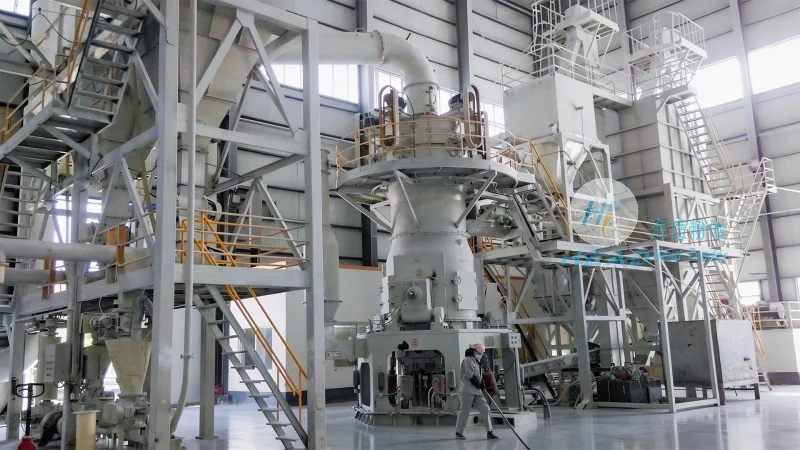
Comparison of Positive and Negative Pressure Systems for Lime Powder
When comparing positive and negative pressure systems for lime powder, several factors must be considered to determine the most suitable option. The choice is heavily influenced by the specific application, including the distance to be covered, the number of transfer points, the material characteristics, and the available space for equipment installation. For example, in applications requiring long-distance transport with multiple transfer points, a positive pressure system is typically more effective due to its ability to maintain consistent pressure and flow rates. Conversely, for short-distance transport or when handling sensitive materials that are prone to degradation, a negative pressure system may be preferred for its lower energy consumption and gentler material handling.
From an operational perspective, positive pressure systems generally offer higher throughput and reliability, making them suitable for high-volume production environments. Negative pressure systems, while more energy-efficient, may require more frequent maintenance due to the wear and tear associated with vacuum pumps and seals. The choice also depends on the environmental regulations and safety requirements of the facility, as both systems may need to incorporate dust collection and filtration systems to comply with air quality standards.

Key Considerations for Selecting the Right System
When selecting a pneumatic conveying system for lime powder, several key considerations should guide the decision-making process. First, the material's properties, such as particle size, density, and moisture content, play a critical role in determining the appropriate system. For example, fine or cohesive lime powders may require higher air velocities or specialized equipment to prevent agglomeration. Second, the system's capacity and scalability are important, as the conveying requirements may change over time with increased production or expanded operations. Third, the available space and layout of the facility must be considered, as both positive and negative pressure systems require dedicated piping and equipment areas.
Additionally, the cost-benefit analysis of each system is crucial. While positive pressure systems may have higher initial costs due to the need for high-pressure equipment, their longer operational life and lower maintenance requirements can offset these expenses over time. Negative pressure systems, on the other hand, may have lower initial costs but may incur higher long-term operational costs due to energy consumption and maintenance needs. The choice ultimately depends on balancing these factors to achieve the most cost-effective and efficient solution for the specific application.
Conclusion
In conclusion, both positive and negative pressure pneumatic conveying systems offer viable solutions for transporting lime powder, with each mode having distinct advantages and limitations. Positive pressure systems are generally more suitable for high-volume, long-distance applications, while negative pressure systems are better suited for short-distance or sensitive material handling. The selection of the appropriate system should be based on a thorough analysis of the operational requirements, material characteristics, and cost considerations. By understanding the operational principles and performance characteristics of each mode, industrial facilities can optimize their material transport processes, enhance operational efficiency, and ensure compliance with safety and environmental standards. Shandong HeadPowder Engineering Co., Ltd. provides expert guidance and customized solutions to help clients choose and implement the most effective pneumatic conveying system for their lime powder handling needs.