

Silicate Solids Handling: Positive vs. Negative Pressure Conveying - How to Distinguish?
When it comes to handling silicate solids, selecting the appropriate conveying method is crucial for efficiency and safety. Two primary options exist: positive pressure conveying and negative pressure conveying. Understanding the differences between these two systems is essential for making an informed decision. This article will explore the key factors to consider when choosing between positive and negative pressure for silicate solids handling, focusing on the unique characteristics of silicate materials and the operational implications of each conveying approach.

Understanding Silicate Solids and Their Handling Challenges
Silicate solids, such as sodium silicate or other inorganic compounds, present specific challenges during material handling. These materials often have high moisture content, variable particle sizes, and can be abrasive or corrosive to equipment. The choice of conveying system must account for these properties to ensure optimal performance and minimize equipment wear. Silicate solids are commonly used in industries like construction, glass manufacturing, and chemical processing, where reliable material transport is critical to production continuity.
Positive Pressure Conveying: Advantages and Applications
Positive pressure conveying systems operate by forcing air or a carrier gas through the material, creating a positive pressure environment. This method is particularly effective for silicate solids that are dusty or have a tendency to generate fine particles. The pressurized air helps to lift and transport the material through the pipeline, reducing the risk of blockages and ensuring consistent flow rates. Positive pressure systems are often preferred when the material is sensitive to negative pressure, as they prevent the ingress of external contaminants. For silicate solids with high moisture content, positive pressure can help maintain material integrity by preventing premature drying or clumping.

Negative Pressure Conveying: Benefits and Considerations
Negative pressure conveying, also known as suction conveying, works by creating a vacuum in the pipeline to draw material from the source. This method is ideal for handling silicate solids that are less dusty or when the material is located in an enclosed space. Negative pressure systems are generally more energy-efficient for short-distance conveying and can handle larger volumes of material with less pressure drop. However, they require careful consideration of air quality and the potential for dust accumulation in the suction line. For silicate solids that are prone to generating fine particles, negative pressure may increase the risk of dust dispersion and require additional filtration measures.

Key Factors to Differentiate Between Positive and Negative Pressure
Several factors should be evaluated when deciding between positive and negative pressure conveying for silicate solids. The first consideration is the material's physical properties, including moisture content, particle size distribution, and abrasiveness. Materials with high moisture or fine particles may benefit from positive pressure to maintain flowability and prevent blockages. The second factor is the conveying distance and layout of the system. Longer distances or complex pipe networks may require positive pressure to maintain sufficient velocity and pressure. The third factor is the environmental and safety requirements. Positive pressure systems are often preferred in environments where dust control is critical, as they prevent external air from entering the system. Conversely, negative pressure may be more suitable in enclosed spaces where air quality is a concern.
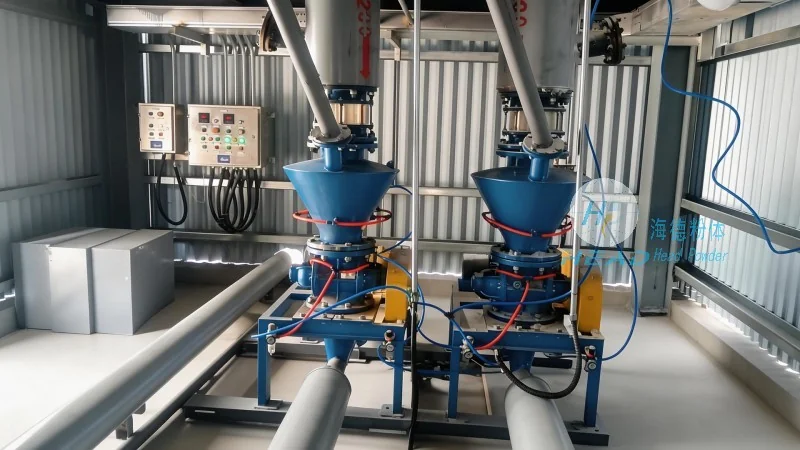
Case Study: Silicate Solids Handling in Glass Manufacturing
Consider a glass manufacturing plant that uses sodium silicate as a key raw material. The plant needs to transport silicate solids from storage silos to the production line over a distance of 50 meters. The material has a high moisture content and consists of fine particles that are prone to clumping. The plant evaluates both positive and negative pressure systems. After analysis, the plant chooses a positive pressure conveying system equipped with a rotary airlock and a pressure vessel. This system maintains consistent pressure, prevents material blockages, and ensures reliable delivery of silicate solids to the glass melting furnace. The positive pressure approach minimizes the risk of dust dispersion and maintains material quality throughout the conveying process.
Conclusion: Making the Right Choice for Silicate Solids Handling
Choosing between positive and negative pressure conveying for silicate solids handling requires a thorough understanding of the material's characteristics and the operational requirements of the system. Positive pressure conveying offers advantages in terms of material integrity, dust control, and reliability, making it suitable for many silicate solids applications. Negative pressure conveying, while energy-efficient for short distances, may present challenges with dust management and material flow. By carefully evaluating factors such as moisture content, particle size, conveying distance, and environmental considerations, industries can select the most appropriate conveying method to optimize their silicate solids handling processes. Shandong HeadPowder Engineering Co., Ltd., based in Shandong, China, specializes in providing tailored conveying solutions for silicate solids, helping clients achieve efficient and safe material transport in their operations.