

How to Prevent Pipeline Blockages in Barium Sulfate Conveying with Pneumatic Conveying Systems? Key
For industries dealing with barium sulfate, efficient material transport is crucial to maintain production flow and minimize downtime. Pneumatic conveying systems offer a reliable solution, but challenges such as pipeline blockages can arise if not properly designed. This article explores effective strategies to prevent blockages and highlights key design parameters that ensure smooth operation in barium sulfate conveying applications.

About Shandong HeadPowder Engineering Co., Ltd.
HeadPowder, a leading provider of bulk material handling solutions, specializes in designing and manufacturing pneumatic conveying systems tailored to the unique needs of various industries. With years of experience and a commitment to quality, HeadPowder delivers robust systems that enhance operational efficiency and reliability. The company’s headquarters is located in Shandong, China, where it leverages advanced technology and engineering expertise to develop cutting-edge solutions for material transport challenges.
Characteristics of Barium Sulfate and Its Impact on Conveying
Barium sulfate, also known as barium sulphate, is a white crystalline powder commonly used in industries like pharmaceuticals, coatings, and ceramics. Its properties, such as high density and fine particle size, can pose significant challenges during pneumatic conveying. The material’s tendency to agglomerate or form lumps, combined with its abrasive nature, increases the risk of pipeline blockages if the conveying system is not optimized. Understanding these characteristics is essential for selecting the right pneumatic conveying system and design parameters to mitigate blockage risks.
How Pneumatic Conveying Systems Work and Their Role in Preventing Blockages
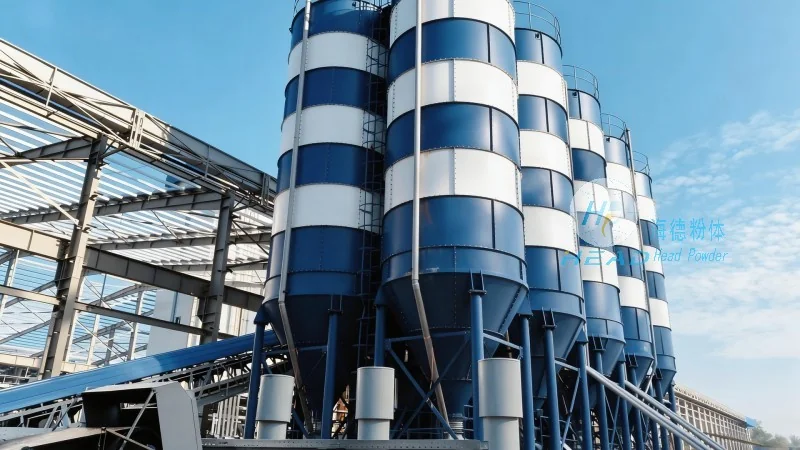
Pneumatic conveying systems use air or other gases to transport bulk materials through pipelines. In the case of barium sulfate, these systems can be categorized into two main types: dilute phase and dense phase. Dilute phase systems rely on high-velocity air to move particles, while dense phase systems use lower velocities and higher pressure to ensure stable transport. The choice of system depends on the material’s properties and the distance to be covered. Properly designed pneumatic conveying systems can effectively prevent blockages by maintaining consistent flow rates, controlling particle velocity, and preventing material accumulation in the pipeline.

Key Design Parameters to Prevent Pipeline Blockages in Barium Sulfate Conveying
Several critical design parameters must be considered to ensure the prevention of pipeline blockages in barium sulfate conveying systems. These parameters include:

- Particle Size and Flow Rate: The size of barium sulfate particles directly impacts the required air velocity and flow rate. Smaller particles may require higher air velocities to prevent settling and blockages. Proper sizing of the conveying line and air flow control devices is essential.
- Air Velocity and Pressure: Maintaining an appropriate air velocity is crucial. Too low a velocity can cause particles to settle and accumulate, leading to blockages. Conversely, excessively high velocity may cause erosion of the pipeline and energy inefficiency. The system must be designed to balance these factors effectively.
- Conveying Line Diameter and Length: The diameter of the pipeline and its length affect the pressure drop and flow characteristics. Larger diameters reduce pressure drop but increase material hold-up time, while shorter lines may require higher pressure. Optimizing these dimensions ensures smooth material transport without causing blockages.
- Material Feed and Conditioning: Proper feeding of barium sulfate into the system is vital. Conditioning the material, such as pre-drying or adding anti-caking agents, can improve flowability and reduce the risk of agglomeration. Additionally, using feeders with controlled discharge rates prevents surges that could lead to blockages.
- System Cleaning and Maintenance: Regular maintenance and cleaning of the conveying system are essential to prevent the buildup of material residues. This includes periodic flushing of the pipeline and inspection of components to ensure they are free from obstructions. Implementing a preventive maintenance schedule helps maintain system performance and prevent unexpected blockages.
Benefits of Using HeadPowder’s Pneumatic Conveying Solutions for Barium Sulfate
HeadPowder’s pneumatic conveying systems are engineered to address the specific challenges of barium sulfate transport. By incorporating the key design parameters discussed above, these systems offer several benefits, including:
- Enhanced Reliability: The robust design and quality components ensure consistent operation, minimizing downtime caused by blockages.
- Energy Efficiency: Optimized air velocity and pressure control reduce energy consumption, leading to cost savings over the system’s lifespan.
- Customization: HeadPowder provides tailored solutions that meet the unique requirements of each application, ensuring optimal performance.
- Long-Term Durability: The use of high-quality materials and advanced engineering ensures the system’s longevity, providing a reliable investment for industrial operations.
Conclusion
Preventing pipeline blockages in barium sulfate conveying systems requires a comprehensive approach that considers the material’s properties, system design, and operational parameters. By implementing the key design parameters outlined in this article and leveraging the expertise of companies like Shandong HeadPowder Engineering Co., Ltd., industries can achieve efficient and reliable material transport. The combination of proper system design, regular maintenance, and material conditioning ensures smooth operation, minimizing downtime and maximizing productivity in barium sulfate handling applications.