

Classification and Composition of Paddy Husk Ash Pneumatic Conveying Systems
For the efficient handling and transportation of paddy husk ash, pneumatic conveying systems have become essential equipment in industrial applications. These systems utilize air as the medium to transport bulk materials, offering advantages such as low maintenance, flexibility in layout, and the ability to handle dusty or abrasive materials like paddy husk ash. Understanding the classification and composition of these systems is crucial for selecting the most suitable solution for specific operational needs.

Classification of Paddy Husk Ash Pneumatic Conveying Systems
Paddy husk ash pneumatic conveying systems can be classified based on several key factors, including the pressure of the conveying air, the type of material being transported, and the system's operational mode. The primary classifications include:
- Positive Pressure Systems: These systems generate air pressure above atmospheric pressure to move material through the pipeline. They are commonly used for short to medium distance transport and are effective for handling light to medium density materials like paddy husk ash.
- Negative Pressure (Vacuum) Systems: In these systems, air is drawn through the pipeline using a vacuum pump, creating a pressure lower than atmospheric. They are suitable for long-distance transport and are often used when the material needs to be collected from multiple sources or transported into a central processing unit.
- Pressure-Reduced Systems: A hybrid approach combining elements of both positive and negative pressure systems. They operate with a reduced pressure differential, offering a balance between the efficiency of positive pressure and the flexibility of negative pressure systems.
Another classification is based on the material's particle size and flow characteristics. For paddy husk ash, which typically consists of fine to medium particles, systems designed for handling powders and granular materials are most appropriate. This includes systems optimized for cohesive or non-cohesive materials, ensuring reliable transport without blockages or degradation of the material.

Key Components of Paddy Husk Ash Pneumatic Conveying Systems
Regardless of the classification, paddy husk ash pneumatic conveying systems share common core components that work together to ensure efficient material transport. The main components include:

- Feeding Device: This component is responsible for introducing the paddy husk ash into the conveying system. It may include hoppers, rotary valves, or screw feeders, designed to control the flow rate and prevent material buildup or spillage. For paddy husk ash, which can be dusty and abrasive, feeding devices with robust sealing and wear-resistant materials are essential to maintain system efficiency and longevity.
- Conveying Pipeline: The pipeline serves as the main pathway for transporting the material and air. It is typically made of corrosion-resistant materials such as stainless steel or PVC, chosen based on the material's chemical properties and the system's pressure requirements. The pipeline design, including bends, elbows, and straight sections, is critical to minimize pressure loss and prevent material deposition or blockages.
- Air Supply Unit: This unit provides the necessary air pressure or vacuum to move the material. It includes a blower or vacuum pump, along with air filters and regulators to ensure clean, dry air and stable pressure. The air supply unit's capacity must match the system's requirements, considering the material's bulk density, particle size, and the desired conveying velocity.
- Separation and Collection Equipment: At the receiving end of the system, separation equipment is used to separate the conveyed material from the air. This may include cyclones, bag filters, or electrostatic precipitators, depending on the material's characteristics and the required level of dust control. For paddy husk ash, which may have fine particles that can cause health or environmental issues, effective separation is crucial to prevent dust emissions and ensure compliance with regulations.
- Control and Monitoring Systems: Modern pneumatic conveying systems often include control panels and monitoring devices to regulate the system's operation and detect potential issues. These systems may include pressure sensors, flow meters, and alarms to alert operators of abnormal conditions such as blockages, pressure drops, or air leaks. For paddy husk ash applications, real-time monitoring helps maintain optimal performance and prevents system downtime.
Application and Operational Considerations
The selection and design of a paddy husk ash pneumatic conveying system depend on several operational factors, including the distance of transport, the volume of material to be handled, and the specific requirements of the downstream processing equipment. For example, in a power plant or biomass facility, the system may need to transport paddy husk ash from a storage silo to a boiler or combustion chamber, requiring a system capable of handling large volumes over long distances.
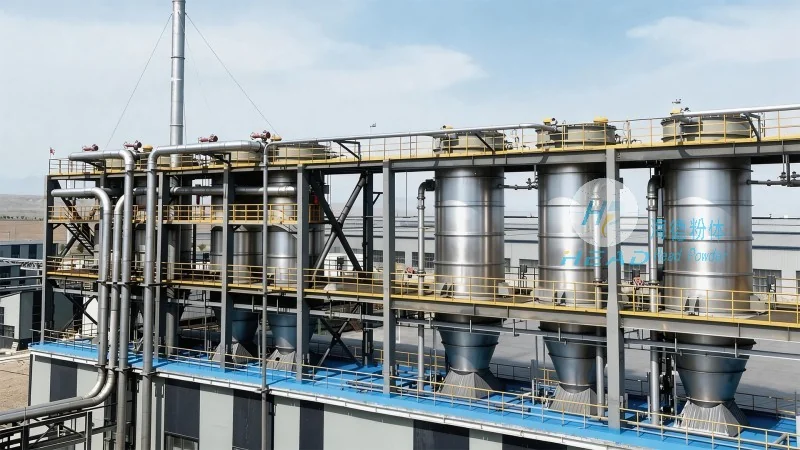
Operational considerations also include the material's moisture content and flowability. Paddy husk ash, which may have varying moisture levels, can affect its bulk density and flow characteristics. Systems designed to handle variable moisture content, such as those with adjustable feeding rates or moisture control mechanisms, are more suitable for consistent performance. Additionally, the system's ability to handle abrasive particles is important, as paddy husk ash can cause wear on components like pipelines and valves over time. Proper material selection for components and regular maintenance are essential to extend the system's service life.
Conclusion
Paddy husk ash pneumatic conveying systems are critical for the efficient and safe handling of this agricultural byproduct. By understanding the classification and composition of these systems, industries can select the most appropriate solution to meet their operational needs. The key components, including feeding devices, pipelines, air supply units, and separation equipment, work together to ensure reliable material transport while minimizing environmental impact and operational costs. Companies like Shandong HeadPowder Engineering Co., Ltd., with their expertise in engineering and manufacturing, provide tailored solutions that address the specific challenges of paddy husk ash handling, contributing to the sustainability and efficiency of industrial processes.