

Classification and Composition of Dry Coffee Pneumatic Conveying Systems
HeadPowder, a leading engineering firm based in Shandong, China, specializes in the design and manufacturing of advanced pneumatic conveying systems tailored for the coffee industry. With a deep understanding of the unique challenges faced by coffee processors, our systems ensure efficient, hygienic, and reliable transportation of dry coffee beans and related products. This article explores the classification and essential components of dry coffee pneumatic conveying systems, providing insights into how these technologies enhance operational efficiency in coffee production and processing.
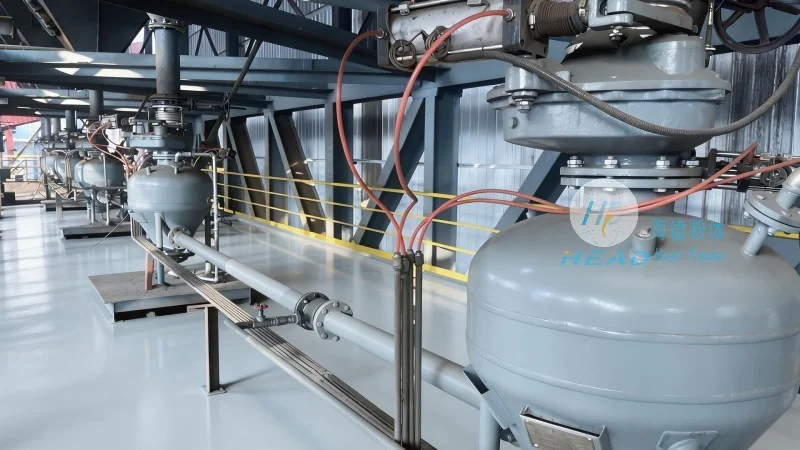
About HeadPowder: Your Expert in Pneumatic Conveying Solutions
HeadPowder, formally known as Shandong HeadPowder Engineering Co., Ltd., is a professional engineering company headquartered in Shandong, China. With years of experience in the field of pneumatic conveying technology, we have established ourselves as a trusted partner for coffee processing facilities worldwide. Our commitment to quality, innovation, and customer satisfaction drives us to deliver systems that meet the highest standards of performance and reliability. The company's expertise lies in customizing solutions that address the specific needs of coffee producers, from small-scale operations to large industrial plants.
Classification of Dry Coffee Pneumatic Conveying Systems
Dry coffee pneumatic conveying systems are categorized based on the method of air flow and the pressure used during material transport. The primary classifications include positive pressure systems, negative pressure systems, and hybrid systems. Each type offers distinct advantages and is suitable for different operational requirements.
Positive Pressure Systems
Positive pressure systems operate by blowing air into the conveying line, creating a pressure higher than the ambient air. This method is ideal for conveying dry coffee beans over long distances and through complex system layouts. The system typically includes a blower, a hopper for material storage, and a discharge unit. Positive pressure systems are known for their ability to handle abrasive materials like coffee beans without causing excessive wear on components. They also provide better control over the material flow rate, ensuring consistent delivery to processing units.

Negative Pressure Systems
Negative pressure systems, also known as vacuum systems, create a vacuum in the conveying line by extracting air from the system. This approach is commonly used for short-distance conveying or when the material needs to be transported from a lower elevation to a higher one. Negative pressure systems are particularly effective for handling fine or dusty materials, as they minimize the risk of product contamination and leakage. However, they may require more maintenance due to the higher stress on vacuum components and the need for efficient filtration to prevent clogging.
Hybrid Systems
Hybrid systems combine elements of both positive and negative pressure systems, offering flexibility in conveying different types of coffee products. These systems can switch between pressure and vacuum modes depending on the operational needs, making them suitable for diverse processing environments. For example, a hybrid system might use positive pressure to transport whole coffee beans and negative pressure to handle ground coffee or coffee powders. This adaptability allows coffee processing facilities to optimize their conveying processes for various product types and production stages.
Key Components of Dry Coffee Pneumatic Conveying Systems
The effectiveness of a dry coffee pneumatic conveying system depends on the integration of several critical components, each playing a vital role in the overall operation. These components work in harmony to ensure efficient and reliable material transport.

Blowers and Air Compressors
The heart of any pneumatic conveying system is the air-moving device, which can be a blower or an air compressor. For coffee applications, centrifugal blowers are commonly used due to their ability to handle large volumes of air at relatively low pressure. The blower or compressor generates the necessary air flow to create the pressure differential required for material transport. The choice of equipment depends on the system's pressure requirements, material characteristics, and the distance over which the coffee needs to be conveyed. High-quality blowers are essential to maintain consistent air pressure, which directly impacts the system's efficiency and the quality of the conveyed coffee.
Hoppers and Feeders
Hoppers are used to store and feed the dry coffee beans into the conveying line. The design of the hopper is crucial to prevent material bridging and ensure a steady flow of product. For coffee beans, which can be prone to sticking, hoppers are often equipped with agitators or vibrators to maintain material movement. Feeders, such as rotary valves or screw feeders, control the rate at which coffee enters the system, preventing overloading and ensuring smooth operation. The feeder must be compatible with the material's characteristics, such as size, moisture content, and density, to avoid blockages or uneven flow.
Conveying Lines and Tubing
The conveying lines, typically made of stainless steel or high-quality plastic, form the path through which the coffee and air travel. The material and diameter of the tubing are selected based on the system's pressure, the volume of coffee to be conveyed, and the distance of transport. Stainless steel is preferred for its corrosion resistance and hygienic properties, which are essential in food processing environments. The tubing must be smooth and free of sharp edges to minimize friction and wear on the coffee beans, ensuring that the product remains intact and free from damage. Proper installation and maintenance of the conveying lines are critical to prevent leaks and maintain system efficiency.

Filtration and Dust Collection Systems
Due to the fine particles and dust generated during coffee processing, filtration systems are essential to maintain air quality and protect the equipment. The system typically includes a filter unit that captures coffee particles and other contaminants from the exhaust air. High-efficiency particulate air (HEPA) filters are commonly used to ensure that the air released back into the environment is clean and free from product residues. Additionally, dust collection systems may include cyclones or bag filters to separate larger particles from the air stream. Proper filtration not only protects the environment but also prevents clogging of the conveying lines and reduces the risk of product contamination.
Control Systems and Monitoring Equipment
Modern dry coffee pneumatic conveying systems are equipped with advanced control systems that monitor and regulate the operation of various components. These systems may include sensors to detect material levels in the hopper, pressure gauges to monitor air pressure, and flow meters to track the rate of coffee transport. The control panel allows operators to adjust the system settings in real-time, ensuring optimal performance and preventing issues such as overpressure or underflow. Automation features, such as programmable logic controllers (PLCs), enable the system to operate with minimal human intervention, enhancing efficiency and reducing labor costs. The integration of monitoring equipment also facilitates predictive maintenance, allowing for timely repairs and extending the lifespan of the system components.
Conclusion: Enhancing Efficiency in Coffee Processing with Advanced Pneumatic Conveying
HeadPowder's dry coffee pneumatic conveying systems represent a sophisticated solution for the transportation of coffee products. By understanding the classification of these systems and the role of each component, coffee processing facilities can select the most appropriate technology to meet their operational needs. The positive pressure, negative pressure, and hybrid systems offer flexibility in handling different coffee products and operational scenarios. The key components, including blowers, hoppers, conveying lines, filtration systems, and control equipment, work together to ensure efficient, hygienic, and reliable material transport. With its expertise and commitment to quality, HeadPowder provides coffee processors with the tools they need to enhance their production processes and maintain the highest standards of product quality. Whether for small-scale or large-scale operations, our systems are designed to deliver superior performance and contribute to the success of coffee processing businesses worldwide.