

[Detailed Explanation of Air-Driven Conveying Systems for Wet Ammonium Nitrate]
Wet ammonium nitrate, a critical raw material in the fertilizer industry, requires efficient and reliable transportation solutions to ensure safe and effective handling. The air-driven conveying system, also known as pneumatic conveying, has emerged as a preferred method for transporting wet ammonium nitrate due to its ability to handle bulk materials with minimal manual intervention and reduced risk of contamination. This article provides a comprehensive overview of the components, operational principles, and benefits of air-driven conveying systems specifically designed for wet ammonium nitrate, highlighting the expertise of Shandong HeadPowder Engineering Co., Ltd. in providing tailored solutions for industrial applications.
Understanding Wet Ammonium Nitrate and Its Handling Challenges
Wet ammonium nitrate is a hygroscopic and potentially hazardous material that demands specialized handling techniques. Its moisture content and granular structure make traditional conveying methods, such as belt conveyors or screw conveyors, less effective and potentially unsafe. The material is prone to caking, which can lead to blockages and operational inefficiencies. Additionally, wet ammonium nitrate can be sensitive to temperature and pressure changes, necessitating a system that maintains consistent conditions throughout the conveying process. These challenges underscore the importance of using advanced air-driven conveying systems that can handle the unique properties of wet ammonium nitrate while ensuring operational safety and efficiency.
Core Components of an Air-Driven Conveying System for Wet Ammonium Nitrate
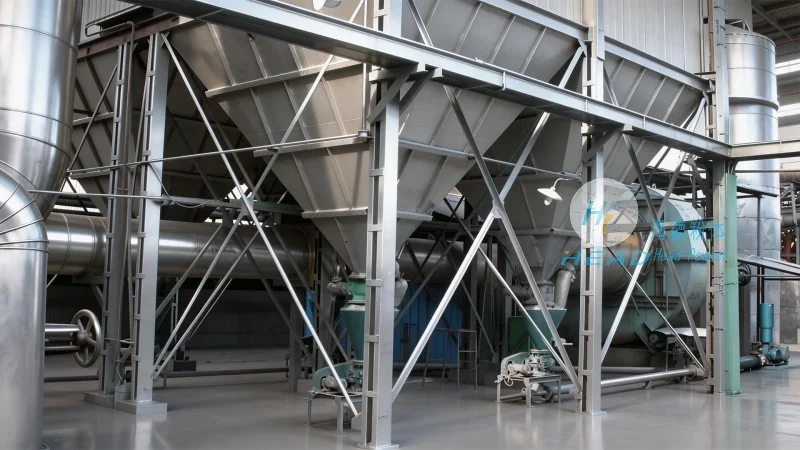
The air-driven conveying system for wet ammonium nitrate typically consists of several key components that work in tandem to facilitate material transport. The primary components include a hopper or feed bin for material storage, a rotary airlock or feeder to control the flow of wet ammonium nitrate into the system, a conveying pipeline (often made of stainless steel or other corrosion-resistant materials to withstand the chemical properties of the material), a positive displacement blower or air compressor to generate the necessary air pressure, and a receiver or discharge hopper where the material is deposited. Each component plays a crucial role in ensuring the smooth and efficient operation of the system.

For wet ammonium nitrate applications, the choice of materials for the conveying pipeline and components is critical. Stainless steel is commonly used due to its resistance to corrosion from the acidic and moisture-rich environment of wet ammonium nitrate. The rotary airlock or feeder must be designed to handle the material's granular and potentially sticky nature, preventing blockages and ensuring consistent feed rates. The blower or air compressor must be capable of delivering sufficient air volume and pressure to maintain the material in suspension within the pipeline, avoiding deposition and ensuring reliable transport.
Operational Principles and Flow Control in Wet Ammonium Nitrate Conveying
The operational principle of an air-driven conveying system involves creating a pressure differential between the intake and discharge points. The blower generates high-pressure air that is introduced into the conveying pipeline at the intake end. As the air flows through the pipeline, it lifts and suspends the wet ammonium nitrate particles, transporting them to the discharge point. The air velocity within the pipeline must be maintained above the material's terminal velocity to prevent settling. Flow control is achieved through the rotary airlock or feeder, which regulates the amount of material entering the system, ensuring a consistent flow rate and preventing overloading or underloading of the blower.
The system's performance is influenced by several factors, including the air pressure, flow rate, and pipeline length. Proper design and sizing of the blower and pipeline are essential to achieve optimal conveying efficiency. For wet ammonium nitrate, the system must be capable of handling varying moisture contents and particle sizes without compromising performance. The use of air-driven conveying allows for flexible and scalable solutions, as the system can be adjusted to accommodate changes in production volume or material characteristics.

Benefits and Advantages of Air-Driven Conveying for Wet Ammonium Nitrate
Implementing an air-driven conveying system for wet ammonium nitrate offers numerous benefits that enhance operational efficiency and safety. One of the primary advantages is the reduction in manual handling, which minimizes the risk of accidents and exposure to hazardous materials. The system also eliminates the need for mechanical components that come into direct contact with the material, reducing wear and tear and maintenance requirements. Additionally, air-driven conveying systems are more hygienic and easier to clean, which is crucial for maintaining compliance with industry standards and regulations.
The flexibility of air-driven conveying allows for the integration of multiple conveying lines or the transport of wet ammonium nitrate to different destinations within a facility. This capability enhances process efficiency and reduces downtime by streamlining material movement. Furthermore, the system's ability to handle bulk quantities of wet ammonium nitrate at a consistent rate improves production throughput and reduces bottlenecks in the manufacturing process.
Customization and Expertise from Shandong HeadPowder Engineering Co., Ltd.
Shandong HeadPowder Engineering Co., Ltd., a leading provider of engineering solutions for the chemical and fertilizer industries, specializes in designing and manufacturing air-driven conveying systems tailored to the specific needs of wet ammonium nitrate applications. With years of experience in the field, the company understands the unique challenges associated with handling wet ammonium nitrate and provides customized solutions that address these challenges effectively. The company's team of engineers and technicians work closely with clients to assess their operational requirements, material characteristics, and facility constraints, ensuring that the designed system meets all safety and performance standards.

Shandong HeadPowder Engineering Co., Ltd. offers comprehensive services, including system design, installation, commissioning, and maintenance support. The company's expertise in material handling and pneumatic conveying technology enables them to deliver high-quality systems that are reliable, efficient, and cost-effective. By leveraging advanced engineering and materials science, the company ensures that its air-driven conveying systems for wet ammonium nitrate are built to withstand the demanding conditions of industrial operations while providing long-term performance and durability.
Conclusion and Future Considerations
As the demand for efficient and safe handling of wet ammonium nitrate continues to grow, air-driven conveying systems remain a key technology in the industry. The benefits of reduced manual handling, improved safety, and enhanced operational efficiency make these systems a preferred choice for modern fertilizer plants. Shandong HeadPowder Engineering Co., Ltd. plays a vital role in advancing this technology by providing expertly designed and manufactured air-driven conveying systems that meet the evolving needs of the industry. With a commitment to quality and customer satisfaction, the company continues to be a trusted partner for businesses seeking reliable solutions for wet ammonium nitrate transportation.