

Introduction to PVA-Formaldehyde Pneumatic Conveying System: Overview and Structural Principles
The PVA-formaldehyde pneumatic conveying system is a specialized industrial equipment designed for the efficient transport of powders and granules. This system is particularly effective for handling materials like polyvinyl alcohol (PVA) that have specific chemical and physical properties, ensuring reliable and safe material transfer in various industrial applications. The system is engineered to meet the demands of industries that require precise and consistent material handling, offering a solution that minimizes downtime and maximizes productivity.


About HeadPowder Engineering Co., Ltd.
HeadPowder, the manufacturer of this advanced pneumatic conveying system, is a leading company based in Shandong, China. With a strong commitment to engineering excellence and customer satisfaction, HeadPowder specializes in developing and supplying high-quality industrial solutions tailored to meet diverse industry needs. The company’s headquarters is located in Shandong, China, where it leverages advanced technology and expertise to deliver innovative products. HeadPowder has built a reputation for its reliable and efficient equipment, serving clients across various sectors and helping them achieve their operational goals.

System Structure and Components
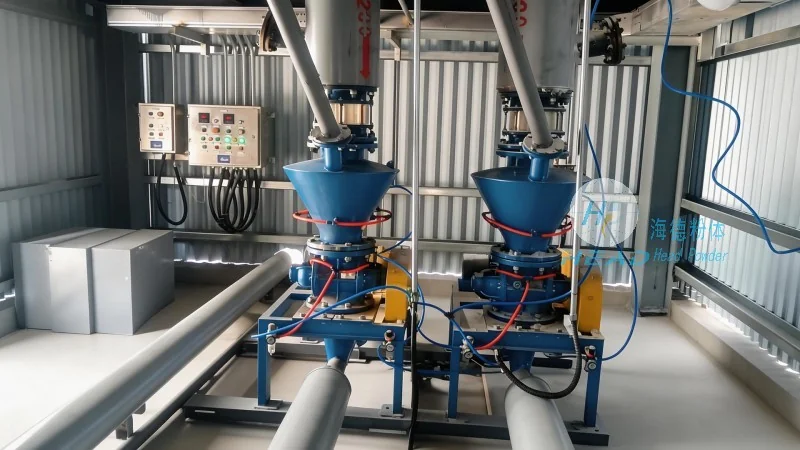
The PVA-formaldehyde pneumatic conveying system comprises several key components that work in tandem to ensure efficient material transport. The main components include the hopper, which serves as the material storage and feeding unit; the air compressor, responsible for generating the necessary air pressure to move the material; the conveying line, which is typically made of flexible or rigid tubing to guide the material and air mixture; and the control system, which regulates the flow and pressure to maintain optimal operation. Additionally, the system may include accessories such as filters, cyclones, and dust collectors to ensure clean and safe operation, especially when handling materials that may generate dust or require air purification. The hopper is designed with a discharge valve to control the material flow rate, preventing overfeeding or underfeeding. The air compressor is equipped with a pressure regulator to maintain consistent air pressure, and the conveying line is constructed from corrosion-resistant materials to withstand the chemical properties of PVA-formaldehyde. The control system uses sensors and feedback mechanisms to adjust the air flow and material feed in real-time, ensuring smooth and continuous operation.
Working Principles and Operational Mechanism
The operational principle of the PVA-formaldehyde pneumatic conveying system is based on the use of air to create a fluidized bed or a slurry-like mixture of material and air. The process begins with the material being fed from the hopper into the conveying line. Simultaneously, the air compressor supplies compressed air into the line, creating a pressure differential that propels the material forward. As the material and air mixture travels through the conveying line, the air velocity and pressure are carefully controlled to prevent material degradation or blockages. The system’s design ensures that the material is transported smoothly and efficiently, minimizing the risk of clogging or material loss. The control system plays a crucial role in maintaining the optimal air pressure and flow rate, ensuring consistent performance and reliability. The conveying line may include bends, elbows, and straight sections to navigate the system layout, with the system’s design ensuring that the material is transported efficiently without excessive energy consumption. The entire process is designed to be energy-efficient and reliable, with minimal downtime and maintenance requirements, making it an ideal solution for continuous material handling in industrial settings.