

Operation Process and Working Principle of Petroleum Coke Material Handling Equipment
For industrial applications, the efficient and reliable handling of petroleum coke is crucial. Petroleum coke, a byproduct of the coking process in the petrochemical industry, requires specialized equipment to ensure safe and effective transportation. The petroleum coke material handling equipment developed by Shandong HeadPowder Engineering Co., Ltd. is designed to meet these demands, offering a robust solution for various industrial settings.

Overview of Petroleum Coke Material Handling Equipment
HeadPowder's petroleum coke material handling equipment is engineered to handle the unique characteristics of petroleum coke, such as its high density, abrasive nature, and tendency to generate dust. The system typically includes components like conveyors, feeders, and storage silos, all working in tandem to ensure seamless material flow. This equipment is essential for industries that rely on petroleum coke for fuel, carbon black production, or other applications, providing a consistent supply of material while minimizing operational risks.
Key Components and Their Functions
The core components of the petroleum coke material handling system include the following:
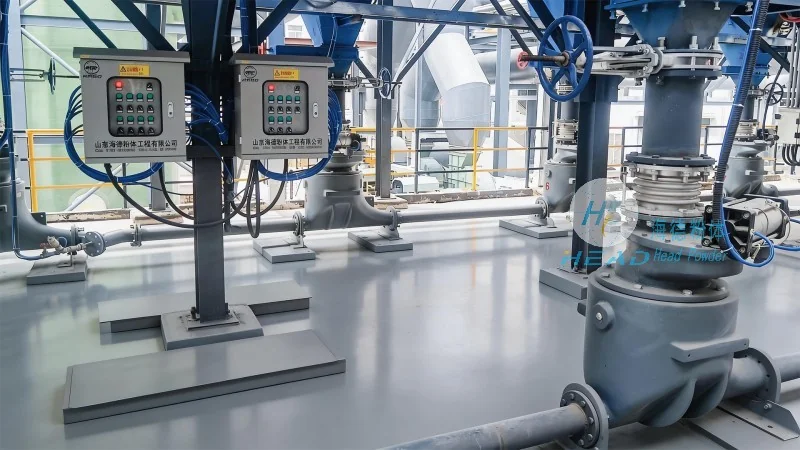
- Conveyor System: This is the primary component responsible for transporting petroleum coke from the storage area to the processing units. The conveyor may be a belt conveyor or a screw conveyor, depending on the specific application and material characteristics. It is designed to handle high volumes of material with minimal maintenance.
- Feeder: The feeder regulates the flow of petroleum coke from the storage silo to the conveyor system. It ensures a consistent and controlled feed rate, preventing overloading or underloading of the conveyor. This component is critical for maintaining the efficiency of the entire system.
- Storage Silo: The storage silo provides a large-capacity storage solution for petroleum coke, allowing for bulk storage and easy access to the material. It is typically equipped with a hopper and a discharge valve to control the material flow.
- Dust Control System: Given the dusty nature of petroleum coke, a dust control system is integrated into the equipment. This may include dust collectors, filters, and ventilation systems to minimize dust emissions and ensure a safe working environment.
Operation Process of Petroleum Coke Material Handling Equipment
The operation process of the petroleum coke material handling equipment involves several steps, each designed to ensure the smooth and efficient movement of the material:
- Material Loading: Petroleum coke is loaded into the storage silo from trucks or other bulk transport vehicles. The loading process is typically done using a loading spout or a conveyor system.
- Material Feeding: The feeder then regulates the flow of petroleum coke from the silo into the conveyor system. The feeder ensures a consistent feed rate, preventing surges or drops in material flow.
- Material Conveying: The conveyor system transports the petroleum coke from the storage area to the processing units or other destinations. The conveyor may be horizontal or inclined, depending on the layout of the facility.
- Material Discharge: At the end of the conveyor, the petroleum coke is discharged into a hopper or directly into the processing equipment. The discharge process is controlled to ensure a smooth and continuous flow.
Working Principle of the Equipment
The working principle of the petroleum coke material handling equipment is based on mechanical and hydraulic systems that work together to move the material. The conveyor system uses a belt or screw mechanism to transport the material, while the feeder uses a rotating mechanism to control the flow rate. The storage silo uses a hopper and a discharge valve to regulate the material level and flow. The dust control system uses filters and ventilation to capture and remove dust particles from the air.

Benefits of Using Petroleum Coke Material Handling Equipment
Implementing a petroleum coke material handling system offers several benefits for industrial operations:
- Increased Efficiency: The equipment ensures a consistent and continuous flow of petroleum coke, reducing downtime and increasing production efficiency.
- Improved Safety: The dust control system and other safety features minimize the risk of accidents and ensure a safe working environment.
- Reduced Maintenance: The robust design of the equipment minimizes the need for frequent maintenance, reducing operational costs.
- Enhanced Productivity: The ability to handle high volumes of material with minimal labor ensures higher productivity and better resource utilization.
Conclusion
Shandong HeadPowder Engineering Co., Ltd. provides high-quality petroleum coke material handling equipment that is designed to meet the specific needs of industrial applications. The equipment is engineered for efficiency, safety, and reliability, ensuring that petroleum coke can be handled and transported effectively. By investing in this equipment, industries can improve their operational efficiency, reduce costs, and enhance overall productivity.