

Operating Process and Working Principle of Synthetic Rubber Powder Conveying System Equipment
HeadPowder, a leading enterprise in the field of powder conveying technology, specializes in the design, manufacturing, and integration of advanced synthetic rubber powder conveying systems. This article provides a detailed overview of the operational process and working principles of such equipment, highlighting the key components, functions, and the systematic approach to efficient powder handling in industrial applications.

System Overview and Core Components
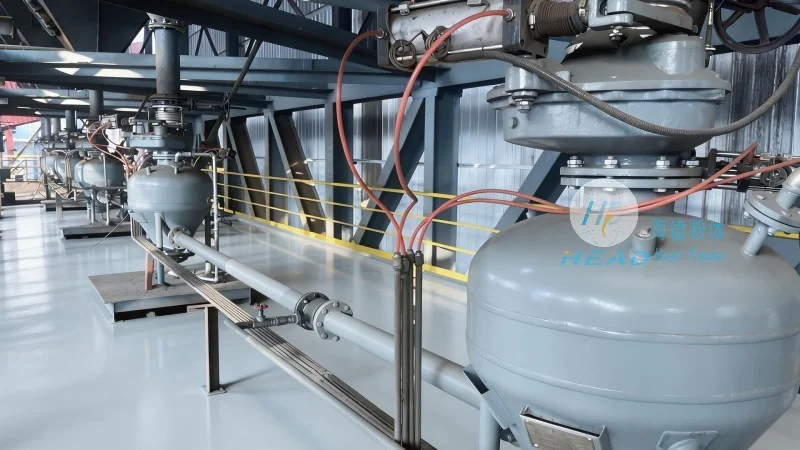
The synthetic rubber powder conveying system typically consists of several critical components that work in tandem to ensure reliable and efficient material transport. These components include a hopper for material storage, a feeding mechanism to control the flow of powder, a conveying device (such as a screw conveyor, pneumatic conveyor, or a combination of both), and a control system for monitoring and regulating the entire process. The company, Shandong HeadPowder Engineering Co., Ltd., based in Shandong, China, leverages advanced engineering principles to design systems tailored to the specific requirements of synthetic rubber powder handling, ensuring optimal performance and safety.
Operating Process: Step-by-Step Execution
The operation of the synthetic rubber powder conveying system follows a structured sequence to ensure smooth material transfer from the source to the destination. The process begins with the loading of synthetic rubber powder into the hopper, where the material is stored under controlled conditions to prevent agglomeration or degradation. The feeding mechanism then regulates the flow of powder into the conveying device. For example, in a screw conveyor system, the powder is fed into the screw, which rotates to push the material forward through the conveyor tube. In pneumatic conveying systems, the powder is mixed with air and transported through a pipeline under pressure. The control system continuously monitors parameters such as flow rate, pressure, and temperature, adjusting the operation in real-time to maintain optimal conditions. The system concludes with the discharge of the powder into the receiving container or processing unit, completing the cycle.
Working Principle: Mechanisms and Technologies
The working principle of the synthetic rubber powder conveying system is based on the application of mechanical or pneumatic forces to move the powder. In mechanical conveying systems, the screw or auger rotates, creating a positive displacement that propels the material forward. The design of the screw, including its pitch and diameter, is crucial for controlling the flow rate and preventing material blockage. In pneumatic conveying, the system relies on the differential pressure created by the air flow; the powder is entrained by the air and transported through the pipeline. The company incorporates advanced materials and engineering solutions to enhance the efficiency and durability of these systems, ensuring they can handle the unique properties of synthetic rubber powder, such as its fine particle size and potential for static charge accumulation.

Key Features and Advantages
HeadPowder's synthetic rubber powder conveying systems are equipped with several features that enhance their performance and reliability. These include automated control systems for precise flow regulation, anti-static measures to prevent powder buildup and ensure safety, and robust construction to withstand the abrasive nature of synthetic rubber powder. The systems are designed for easy maintenance and cleaning, with components that can be easily accessed and replaced. The company's commitment to quality and innovation ensures that their equipment meets the highest standards of efficiency and safety, making them a preferred choice for industries dealing with synthetic rubber powder.