

Operation Process and Working Principle of Lightweight Micropowder Pneumatic Conveying Machines
For industrial applications involving the handling of lightweight micropowders, the efficient and reliable operation of pneumatic conveying systems is crucial. This article provides an in-depth exploration of the operation process and working principle of lightweight micropowder pneumatic conveying machines, highlighting key components, operational steps, and the underlying mechanisms that ensure optimal performance. The information is presented by Shandong HeadPowder Engineering Co., Ltd., a leading manufacturer based in China, specializing in advanced material handling solutions.

Introduction to Lightweight Micropowder Pneumatic Conveying Machines
Lightweight micropowder pneumatic conveying machines are specialized equipment designed to transport fine, low-density powders through a pipeline using air or other gas as the conveying medium. These systems are widely used in industries such as pharmaceuticals, food processing, chemical manufacturing, and mining, where traditional mechanical conveying methods may be impractical due to the nature of the material. The primary goal of these machines is to achieve efficient, dust-free, and low-energy transport of micropowders while maintaining product integrity and minimizing contamination risks.
Key Components of the Pneumatic Conveying System
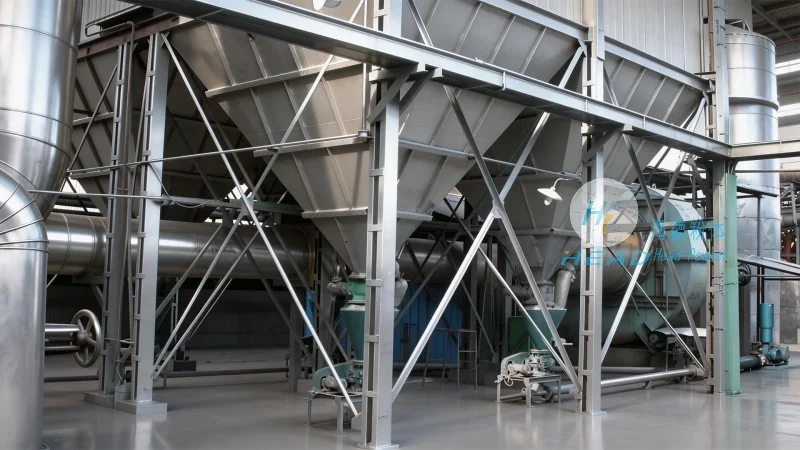
The operation of a lightweight micropowder pneumatic conveying machine relies on several critical components that work in tandem to facilitate the transport process. These components include the hopper or feeder, which holds the micropowder and regulates its flow into the system; the air compressor or blower, which generates the necessary air pressure to move the material; the pipeline network, which serves as the conduit for both the powder and the air; and the receiver or discharge unit, where the material is collected after transport. Additionally, auxiliary components such as filters, cyclones, and control valves may be integrated to enhance system efficiency and safety.
Operation Process: Step-by-Step Guide
The operation process of a lightweight micropowder pneumatic conveying machine typically involves the following sequential steps:
- Material Loading: The micropowder is loaded into the hopper or feeder, where it is stored and prepared for transport. The feeder may be equipped with a rotary valve or other mechanism to control the flow rate of the material, ensuring a consistent and controlled discharge into the pipeline.
- Air Compression: The air compressor or blower is activated, generating a high-pressure air stream. The air pressure is carefully regulated to match the specific characteristics of the micropowder, such as its density and particle size, to achieve optimal conveying efficiency.
- Powder-Air Mixing: The compressed air is introduced into the pipeline, creating a mixture of air and micropowder. The air flow rate is adjusted to ensure that the powder particles are suspended in the air stream, preventing settling or blockages in the pipeline.
- Pipeline Transport: The air-powder mixture travels through the pipeline network, moving from the feeder to the receiver. The pipeline design, including bends, elbows, and straight sections, is optimized to minimize pressure losses and maintain the stability of the conveying process.
- Material Discharge: Upon reaching the receiver, the air-powder mixture is separated. The receiver may be equipped with a cyclone or other separation device that uses centrifugal force to separate the air from the micropowder. The separated powder is then collected in the discharge container, while the air is either vented to the atmosphere or recirculated back to the system.
Working Principle: How It Works
The working principle of a lightweight micropowder pneumatic conveying machine is based on the principles of fluid dynamics and particle suspension. The system operates by creating a high-velocity air stream that entrains the micropowder particles, lifting them off the pipeline walls and transporting them through the system. The key factors influencing the conveying process include the air velocity, pressure, and the properties of the micropowder, such as particle size, density, and moisture content. The design of the hopper, feeder, and pipeline is critical to ensure that the powder is effectively suspended and conveyed without clogging or degradation.
Advantages of Lightweight Micropowder Pneumatic Conveying Machines
Lightweight micropowder pneumatic conveying machines offer several advantages over traditional mechanical conveying methods. These include:

- Dust-Free Operation: The enclosed pipeline system prevents dust emissions, making it suitable for applications where dust control is essential, such as in pharmaceutical and food industries.
- Low Energy Consumption: Compared to mechanical conveyors, pneumatic systems can achieve higher efficiency in energy use, especially for long-distance or high-rise transport.
- Reduced Maintenance: The absence of moving parts in the pipeline reduces wear and tear, leading to lower maintenance costs and longer equipment lifespan.
- Product Integrity: The enclosed system minimizes exposure to external contaminants, ensuring that the micropowder remains pure and free from degradation during transport.
- Flexibility: Pneumatic conveying systems can be easily reconfigured or expanded to accommodate changes in production requirements or facility layout.
Applications and Industries
Lightweight micropowder pneumatic conveying machines are widely used in various industries due to their versatility and efficiency. Some common applications include:
- Pharmaceutical Industry: Transporting fine powders like active pharmaceutical ingredients (APIs) and excipients with strict purity requirements.
- Food Processing: Handling powders such as sugar, flour, and dairy products in food manufacturing facilities.
- Chemical Manufacturing: Conveying chemicals, pigments, and other fine powders in chemical plants.
- Mining and Minerals: Transporting ore powders and other mineral products in mining operations.
- Coating and Paint Industries: Conveying pigments and other fine powders used in coating applications.
Conclusion
Lightweight micropowder pneumatic conveying machines represent a sophisticated solution for the efficient and reliable transport of fine, low-density powders. By understanding the operation process and working principle of these systems, industries can optimize their material handling operations, improve product quality, and reduce operational costs. Shandong HeadPowder Engineering Co., Ltd. continues to innovate in this field, providing high-quality pneumatic conveying solutions tailored to the specific needs of various industrial applications.