

Operation Process and Working Principle of High-Temperature Ash Pneumatic Conveying Equipment
High-temperature ash pneumatic conveying equipment is a specialized system designed to transport high-temperature ash from industrial furnaces or boilers to designated disposal or treatment locations. The operation process and working principle of such equipment are critical for ensuring efficient and safe material handling in power plants and other industrial facilities. This article provides a detailed overview of the key components, operational steps, and underlying principles that govern the performance of high-temperature ash pneumatic conveying systems.

Company Introduction and Background
HeadPowder, a leading manufacturer in the field of industrial material handling equipment, specializes in the design, development, and production of high-temperature ash pneumatic conveying systems. With a strong focus on innovation and quality, the company has established itself as a trusted partner for power plants and industrial clients seeking reliable solutions for ash management. HeadPowder Engineering Co., Ltd., headquartered in Shandong, China, leverages advanced engineering expertise and decades of industry experience to deliver customized pneumatic conveying solutions that meet the unique requirements of each project. The company's commitment to excellence is reflected in its state-of-the-art manufacturing facilities and rigorous quality control processes, ensuring that every product meets or exceeds industry standards.
Key Components of High-Temperature Ash Pneumatic Conveying Systems
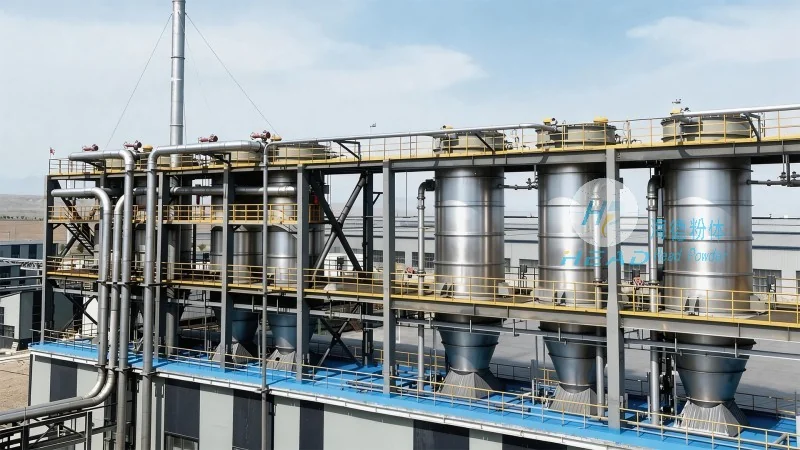
The high-temperature ash pneumatic conveying system typically consists of several core components that work in tandem to achieve efficient material transport. These components include the ash hopper, feeder, air compressor, conveying pipeline, dust separator, and control system. Each component plays a vital role in the overall operation of the system. The ash hopper is responsible for collecting and storing the high-temperature ash, while the feeder ensures a consistent and controlled flow of ash into the conveying system. The air compressor generates the necessary air pressure to move the ash particles through the pipeline. The conveying pipeline, often made of corrosion-resistant materials like stainless steel or special alloys, transports the ash and air mixture from the source to the destination. The dust separator, such as a cyclone or baghouse, separates the ash from the air, allowing the air to be recycled or discharged safely. The control system monitors and regulates the operation of all components, ensuring optimal performance and safety.

Operation Process of High-Temperature Ash Pneumatic Conveying
The operation process of a high-temperature ash pneumatic conveying system involves several sequential steps that ensure the smooth and efficient transport of ash. The process begins with the ash being discharged from the furnace or boiler into the ash hopper. The feeder then regulates the flow of ash from the hopper into the conveying line. Simultaneously, the air compressor starts and generates the required air pressure. The ash particles are then introduced into the pipeline, where they are carried by the high-velocity air stream. The mixture of ash and air travels through the pipeline to the destination, such as a storage silo or treatment facility. At the receiving end, the dust separator separates the ash from the air. The ash is collected in the receiving hopper, while the air is either recycled back to the compressor or discharged through a filter system. The control system continuously monitors parameters such as pressure, flow rate, and temperature to maintain optimal operation and prevent any potential issues.
Working Principle of High-Temperature Ash Pneumatic Conveying
The working principle of high-temperature ash pneumatic conveying is based on the fundamental principles of fluid dynamics and particle transport. The system operates by creating a high-velocity air stream within the conveying pipeline, which entrains the ash particles and transports them through the system. The air pressure generated by the compressor provides the necessary force to overcome the resistance of the pipeline and the weight of the ash particles. The key to efficient operation is maintaining a consistent air flow rate and pressure, which ensures that the ash particles are fully entrained and transported without settling or clogging the pipeline. The dust separator plays a crucial role in the working principle by separating the ash from the air, preventing dust emissions and ensuring that the air can be recycled or disposed of safely. The control system adjusts the air pressure and flow rate based on real-time feedback from sensors, ensuring that the system operates within safe and efficient parameters. Overall, the working principle of high-temperature ash pneumatic conveying is a combination of mechanical and fluid dynamics, designed to handle the unique challenges of transporting high-temperature, abrasive ash materials.

Advantages and Applications of High-Temperature Ash Pneumatic Conveying
High-temperature ash pneumatic conveying systems offer several advantages over traditional methods of ash handling, such as mechanical conveyors or gravity systems. These advantages include improved efficiency, reduced labor costs, and enhanced safety. The system can transport ash over long distances with minimal maintenance and downtime. Additionally, the enclosed pipeline design prevents dust emissions and protects workers from exposure to high-temperature ash particles. The system is particularly suitable for applications where the ash is generated at high temperatures and has abrasive properties, such as in coal-fired power plants or industrial furnaces. HeadPowder's high-temperature ash pneumatic conveying systems are widely used in power plants, cement plants, and other industrial facilities for the efficient management of ash byproducts. The systems are designed to handle various types of ash, including bottom ash, fly ash, and boiler slag, making them versatile and adaptable to different industrial needs.