

Operation Process and Working Principle of Rare Earth Pneumatic Conveying Equipment
HeadPowder, a leading manufacturer based in Shandong, China, specializes in the design, production, and supply of advanced rare earth pneumatic conveying equipment. This equipment is engineered to efficiently handle the transportation of rare earth powders and related materials, ensuring high precision, low dust generation, and reliable performance in industrial applications.
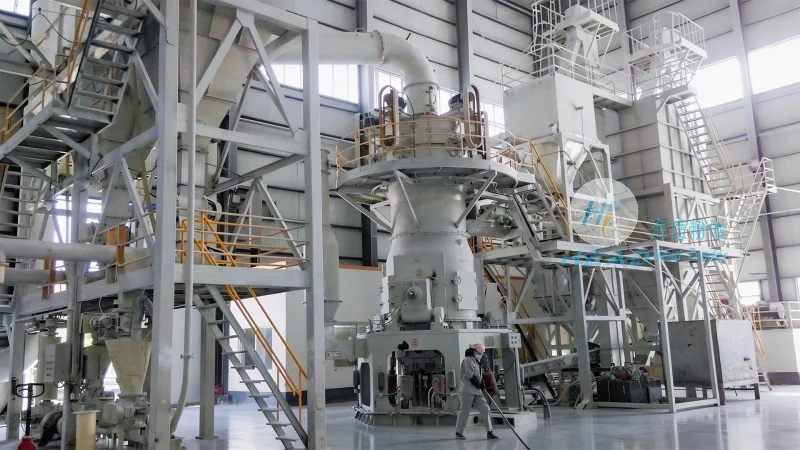
Overview of Rare Earth Pneumatic Conveying Equipment
At the core of the operation is a system that integrates air flow management, material feeding, and delivery mechanisms. The equipment is tailored to meet the specific demands of rare earth processing industries, where maintaining material integrity and minimizing contamination are critical. HeadPowder's solutions are built with robust components and advanced control systems to ensure consistent and efficient material handling.
Working Principle of the Pneumatic Conveying System
The working principle of rare earth pneumatic conveying equipment relies on the use of compressed air to transport bulk materials through a pipeline. The system typically consists of a blower or air compressor that generates the necessary air pressure, a hopper or feeder to introduce the material, and a series of pipes and valves to direct the flow. As air is introduced into the material, it creates a fluidized state, allowing the material to be carried along the pipeline to the destination. This method eliminates the need for mechanical components like belts or screws, reducing wear and maintenance costs while improving overall efficiency.

Key Components and Their Functions
Several key components work in tandem to ensure the smooth operation of the pneumatic conveying system. The blower or air compressor is responsible for generating the required air pressure, which can range from low to high pressure depending on the application. The feeder or hopper is designed to feed the material into the system at a controlled rate, preventing overloading and ensuring consistent flow. The pipeline network, often made of stainless steel or other corrosion-resistant materials, transports the material from the source to the destination. Additionally, control valves and sensors are used to regulate the air flow and monitor the system's performance, allowing for real-time adjustments to maintain optimal operation.
Operation Process: From Material Loading to Delivery
The operation process of rare earth pneumatic conveying equipment begins with the loading of the material into the hopper or feeder. The material is then fed into the system as air is introduced, creating a mixture of material and air that travels through the pipeline. The system's control system monitors the pressure and flow rates, ensuring that the material is transported efficiently and without blockages. Upon reaching the destination, the material is discharged into a collection bin or processing unit. The air, now carrying any residual dust, is filtered and returned to the system or released safely, depending on the configuration. This closed-loop system minimizes environmental impact and ensures compliance with industrial standards.

Advantages and Applications in Rare Earth Processing
HeadPowder's rare earth pneumatic conveying equipment offers several advantages over traditional mechanical conveying methods. These include reduced material degradation due to minimal contact with equipment surfaces, lower energy consumption compared to some high-pressure systems, and improved safety by eliminating the need for moving parts that could pose a risk. The equipment is widely used in rare earth mining, processing, and manufacturing facilities, where it is essential for transporting raw materials, intermediate products, and finished goods. Its ability to handle fine powders and maintain material purity makes it a preferred choice for industries where quality control is paramount.

Maintenance and Reliability
HeadPowder's commitment to quality extends to the durability and reliability of its equipment. The components are designed to withstand the harsh conditions of rare earth processing, including high temperatures, corrosive environments, and abrasive materials. Regular maintenance, including cleaning of filters, checking air pressure, and inspecting for wear, is essential to ensure long-term performance. The company provides comprehensive support, including maintenance services and spare parts, to help customers maximize the operational life of their equipment and minimize downtime.
Conclusion
HeadPowder's rare earth pneumatic conveying equipment represents a sophisticated solution for the efficient and reliable transportation of rare earth materials. By understanding the working principles and operation process, users can appreciate the advanced engineering and robust design that make these systems ideal for modern industrial applications. With a focus on precision, safety, and efficiency, HeadPowder continues to provide high-quality equipment that meets the evolving needs of the rare earth processing industry.