

Operating Process and Working Principle of Pearl Salt Granule Pneumatic Conveying
HeadPowder, a leading manufacturer in the field of material handling solutions, specializes in advanced pneumatic conveying systems for various industrial applications. With a focus on efficiency and reliability, our company, Shandong HeadPowder Engineering Co., Ltd., based in Shandong, China, provides cutting-edge equipment for transporting bulk materials like pearl salt granules. This article delves into the operational process and underlying principles of our pneumatic conveying systems, highlighting how they enhance productivity and ensure safe material transport.

Overview of Pneumatic Conveying Systems for Pearl Salt Granules
Pneumatic conveying systems are widely used in the chemical and food processing industries to transport bulk materials such as pearl salt granules. These systems utilize air or gas to move particles through a pipeline, eliminating the need for mechanical components like belts or buckets. The primary advantage of pneumatic conveying is its ability to handle fine or abrasive materials without causing wear and tear, making it ideal for applications involving pearl salt granules, which are often sensitive to handling conditions.
The Operating Process of Pearl Salt Granule Pneumatic Conveying
The operation of a pneumatic conveying system for pearl salt granules involves several key steps. First, the granules are fed into a hopper or storage silo, where they are stored under controlled conditions to maintain quality. From the hopper, the material is transferred to the conveying line via a feeder or rotary valve. The feeder regulates the flow rate of the granules, ensuring a consistent supply to the system. Next, the material enters the conveying line, where it is mixed with air or gas under pressure. The air flow, typically generated by a positive displacement blower or a rotary lobe compressor, propels the granules through the pipeline. As the granules travel, they are kept in suspension by the air flow, preventing blockages and ensuring smooth transport. The conveying line may include bends, elbows, or vertical sections, which are designed to accommodate changes in direction and elevation. At the receiving end, the granules are separated from the air using a separator or cyclone, and the air is then filtered and discharged. The separated granules are collected in a receiving hopper or silo, ready for further processing or packaging.
Working Principle of Pneumatic Conveying for Pearl Salt Granules
The working principle of pneumatic conveying systems relies on the interaction between the material particles and the air flow. In a positive pressure system, air is forced into the conveying line at a high velocity, creating a pressure differential that pushes the granules forward. The air flow must be sufficient to keep the granules in suspension, which depends on factors such as particle size, density, and shape. For pearl salt granules, which are typically small and irregularly shaped, the air velocity needs to be carefully controlled to prevent segregation or degradation. The system also includes a filter or cyclone to separate the air from the granules, ensuring that the air is clean and can be recirculated if necessary. The control system monitors parameters such as pressure, flow rate, and temperature to maintain optimal operation and prevent equipment damage. By understanding the working principles, operators can adjust the system settings to achieve the best performance for transporting pearl salt granules, minimizing downtime and maximizing throughput.
Key Components and Their Roles in the System
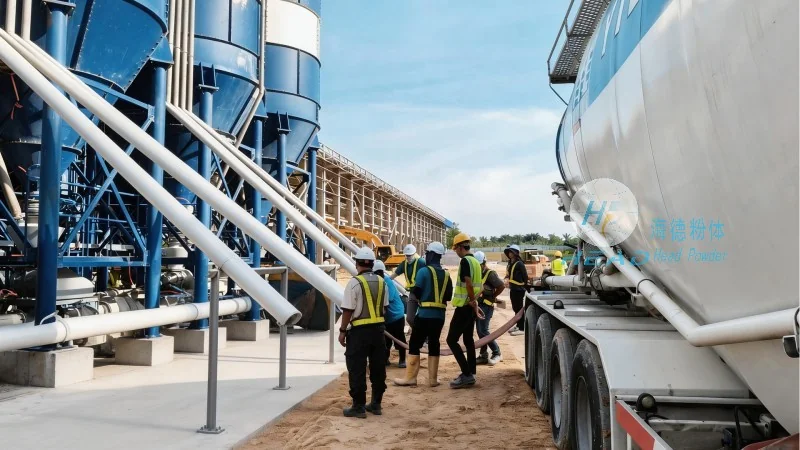
Several critical components work together to ensure the efficient operation of a pneumatic conveying system for pearl salt granules. The feeder or rotary valve is responsible for controlling the material flow from the hopper to the conveying line, preventing overfilling or underfilling. The blower or compressor provides the necessary air pressure and flow rate to move the granules. The conveying line, made of durable materials like stainless steel or plastic, withstands the pressure and abrasion from the granules. The separator or cyclone separates the granules from the air, ensuring that the material is collected without contamination. The filter or air cleaner removes any dust or particles from the air, maintaining a clean environment and preventing equipment wear. The control panel or PLC (Programmable Logic Controller) monitors and adjusts the system parameters, ensuring that the operation is safe and efficient. Each component plays a vital role in the overall performance of the system, and proper maintenance is essential to ensure long-term reliability.
Advantages of Using Pneumatic Conveying for Pearl Salt Granules
Pneumatic conveying systems offer several advantages over traditional mechanical conveying methods for transporting pearl salt granules. One of the main benefits is the ability to handle fine or abrasive materials without causing wear and tear on the equipment. This reduces maintenance costs and extends the lifespan of the system. Another advantage is the reduced risk of contamination, as the system is enclosed and the material is not exposed to the environment. This is particularly important for food-grade applications like pearl salt, where hygiene is critical. The system also allows for flexible routing, as the conveying line can be easily reconfigured to accommodate changes in production processes. Additionally, pneumatic conveying can handle vertical and horizontal transport simultaneously, reducing the need for multiple pieces of equipment. The ability to control the flow rate and pressure allows operators to adjust the system to meet specific production requirements, improving overall efficiency. By leveraging these advantages, companies can enhance their productivity and maintain product quality while minimizing operational costs.

Applications and Industries Using Pearl Salt Granule Pneumatic Conveying
Pneumatic conveying systems for pearl salt granules are widely used in various industries, including food processing, chemical manufacturing, and pharmaceuticals. In the food industry, these systems are used to transport salt for seasoning, curing, or preservation, ensuring that the product remains fresh and safe for consumption. In the chemical industry, they are used to move salt for industrial processes such as desalination or water treatment, where the material needs to be handled with precision and care. The pharmaceutical industry also benefits from pneumatic conveying, as it allows for the safe and hygienic transport of salt used in drug formulations or as a raw material. Other applications include the transportation of salt for de-icing roads, where the system can handle large volumes of material efficiently. The versatility of pneumatic conveying systems makes them suitable for a wide range of applications, and their ability to handle different particle sizes and shapes makes them a preferred choice for many industries.
Maintenance and Troubleshooting for Pneumatic Conveying Systems
Proper maintenance is crucial to ensure the long-term performance and reliability of a pneumatic conveying system for pearl salt granules. Regular inspection of the feeder and hopper is necessary to prevent material buildup or blockages. The blower or compressor should be checked for proper operation, including air pressure and flow rate. The conveying line should be inspected for signs of wear or damage, such as cracks or leaks. The separator and filter should be cleaned regularly to maintain efficiency and prevent clogging. The control system should be checked for proper functionality, including sensors and alarms. Troubleshooting common issues such as low flow rate or blockages involves checking the feeder settings, air pressure, and material condition. If the system is not operating as expected, it may be necessary to adjust the air flow or increase the pressure. In some cases, the material may need to be pre-treated or the system may need to be reconfigured to improve performance. By following a regular maintenance schedule and addressing issues promptly, operators can minimize downtime and ensure that the system continues to operate efficiently.
Future Developments and Innovations in Pneumatic Conveying Technology
As technology advances, pneumatic conveying systems for pearl salt granules are becoming more sophisticated and efficient. One area of development is the use of advanced materials for the conveying line, such as high-strength plastics or composite materials, which can withstand higher pressures and temperatures. Another innovation is the integration of sensors and automation, allowing for real-time monitoring and control of the system. This enables operators to adjust the system parameters based on real-time data, improving efficiency and reducing waste. The use of energy-efficient blowers and compressors is also becoming more common, reducing the overall energy consumption of the system. Additionally, the development of compact and modular systems allows for easier installation and maintenance, making them suitable for small-scale applications. These advancements are improving the performance and reliability of pneumatic conveying systems, making them an even more attractive option for transporting pearl salt granules. As technology continues to evolve, we can expect to see further improvements in the efficiency and versatility of these systems, meeting the growing demands of the industrial sector.