

Principles and Working Scene Characteristics of Powdered Positive Electrode Materials in Pneumatic C
HeadPowder, a leading provider in the field, specializes in the pneumatic conveying of powdered positive electrode materials. This technology is crucial for efficient material handling in battery manufacturing processes. The following sections will explore the fundamental principles behind this method and the key characteristics of its application scenarios.


Principles of Pneumatic Conveying
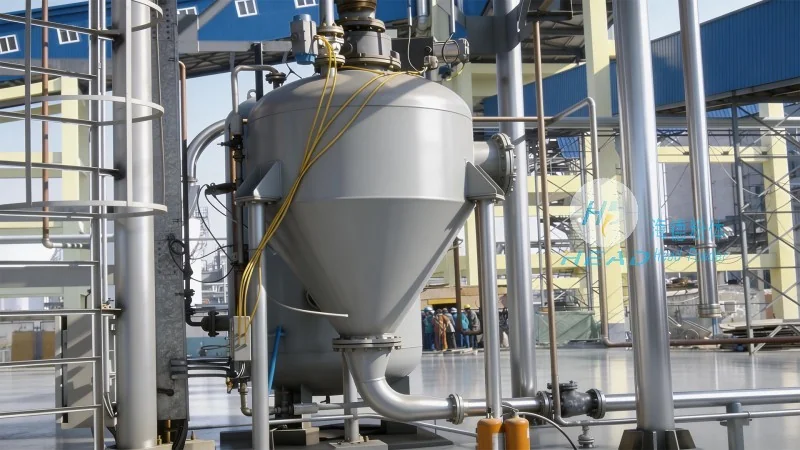
Pneumatic conveying, as the name suggests, involves the transport of powder materials using a gas stream, typically air. The core principle is the creation of a flow where the powder particles are suspended and moved through a pipeline. There are two main types of pneumatic conveying systems: dilute-phase and dense-phase. Dilute-phase systems operate at higher velocities, allowing for longer distances and higher throughput, while dense-phase systems use lower velocities and higher pressure to move material more gently, reducing the risk of particle degradation. The choice between these systems depends on the specific characteristics of the powder, such as particle size, density, and moisture content, as well as the required conveying distance and system efficiency.

Key Characteristics of Working Scenarios
The application of pneumatic conveying for positive electrode materials is characterized by several important aspects. First, the need for a dust-free environment is critical in battery production, as any contamination can affect the quality and performance of the final product. Pneumatic systems are designed to minimize dust generation and ensure a clean process, which is essential for maintaining high standards in battery manufacturing. Second, the system must be capable of handling materials with varying properties, including different particle sizes and moisture levels. This flexibility is vital as the composition of positive electrode materials can vary based on the specific battery chemistry being produced. Third, the efficiency and reliability of the conveying system are paramount. In industrial settings, downtime can be costly, so systems must be designed for continuous operation with minimal maintenance requirements. Additionally, the system should be scalable to accommodate increasing production volumes as the battery industry grows. These characteristics make pneumatic conveying an ideal solution for the precise and controlled handling of positive electrode powders in modern battery manufacturing facilities.
About HeadPowder Engineering
HeadPowder, formally known as Shandong HeadPowder Engineering Co., Ltd., is headquartered in Shandong, China. The company specializes in engineering solutions for material handling, particularly in the battery and energy storage sectors. With a focus on innovative and efficient technologies, HeadPowder provides customized pneumatic conveying systems tailored to the unique needs of its clients. The company's commitment to quality and precision ensures that its systems meet the stringent requirements of modern battery production, contributing to the advancement of clean energy technologies.