

Principle and Working Scene Characteristics of Sesame Material Conveying Lines
HeadPowder, a leading manufacturer in the field of material handling solutions, specializes in designing and manufacturing advanced conveying systems tailored for various industrial applications. This article delves into the fundamental principles behind sesame material conveying lines and explores the specific working scene characteristics that define their operational efficiency and reliability. By understanding these aspects, industries involved in sesame processing can optimize their production workflows and enhance overall operational performance.

Core Principles of Sesame Material Conveying Lines
The operation of sesame material conveying lines is built upon several key principles that ensure efficient material movement, minimal loss, and consistent quality control. The primary principle is the use of specialized equipment designed to handle the unique physical properties of sesame seeds, such as their small size, irregular shape, and tendency to stick together. These systems typically incorporate components like feeders, conveyors, and sorting mechanisms that work in tandem to process sesame materials from raw to finished product stages.
Another critical principle is the integration of automation and control systems. Modern sesame conveying lines often feature sensors, variable frequency drives (VFDs), and programmable logic controllers (PLCs) that enable precise control over the conveying speed, direction, and flow rate. This automation not only improves operational efficiency but also reduces human error, ensuring consistent product quality and minimizing downtime. Additionally, the design of these systems emphasizes energy efficiency, with features like adjustable speed controls and energy-saving motors that help reduce operational costs over time.
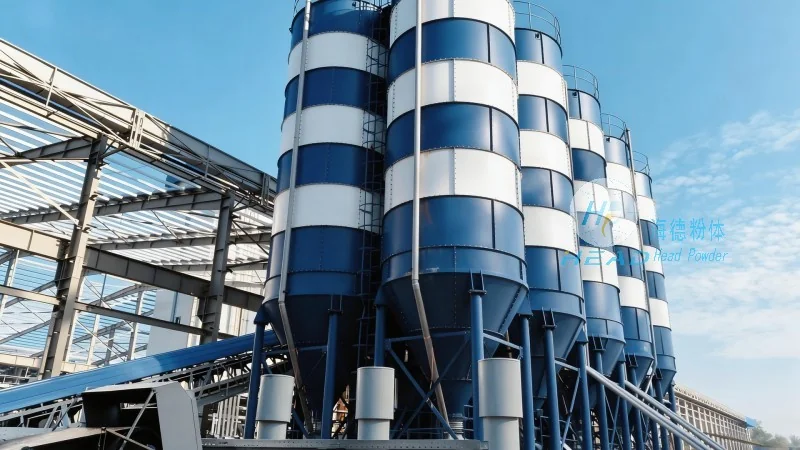
Working Scene Characteristics of Sesame Material Conveying Lines
The working scene characteristics of sesame material conveying lines vary significantly based on the specific industrial application and production scale. For small-scale operations, such as artisanal or family-owned sesame processing facilities, the conveying lines may be simpler in design, utilizing basic components like belt conveyors and manual sorting stations. These systems are typically compact and flexible, allowing for easy adaptation to changing production needs. However, they may have lower throughput and may require more manual intervention, which can impact overall productivity.
In contrast, large-scale industrial sesame processing plants, such as those involved in oil extraction or food manufacturing, require more complex and high-capacity conveying systems. These lines often feature multiple stages of processing, including cleaning, sorting, grinding, and packaging, all integrated into a single automated system. The working scene in these facilities is characterized by high-speed operation, continuous material flow, and strict adherence to hygiene standards. Advanced features like air classifiers, magnetic separators, and automated sorting machines are commonly employed to ensure that only high-quality sesame seeds are processed, while impurities are removed efficiently.

Environmental conditions also play a significant role in the working scene characteristics of sesame material conveying lines. In outdoor or semi-outdoor settings, such as open-air processing plants, the systems must be designed to withstand exposure to weather elements like rain, dust, and temperature fluctuations. This may involve the use of weather-resistant materials for the conveyor components and protective enclosures for the control systems. Conversely, indoor processing facilities, which are more common in food manufacturing, require strict adherence to cleanroom standards. The conveying lines in these environments are typically enclosed, with features like dust extraction systems and easy-to-clean surfaces to maintain hygiene and prevent contamination.
Key Features and Benefits of Sesame Material Conveying Lines
HeadPowder's sesame material conveying lines are equipped with a range of features that address the specific challenges of sesame processing. One of the standout features is the use of flexible and durable conveyor belts made from food-grade materials, which are resistant to the oils and acids present in sesame seeds. These belts can handle the abrasive nature of the seeds without degradation, ensuring long service life and minimal maintenance. Additionally, the systems incorporate advanced sorting technologies, such as optical sensors and air jets, that can detect and separate defective or contaminated seeds, improving product quality and reducing waste.
The modular design of these conveying lines is another key advantage. HeadPowder offers customizable solutions that can be scaled up or down to meet the specific needs of different production capacities. This flexibility allows businesses to start with a basic system and expand it as their operations grow, without the need for complete system overhauls. The modular approach also simplifies maintenance and repair, as individual components can be replaced or upgraded without disrupting the entire production line.

Energy efficiency is a critical consideration in modern industrial operations, and HeadPowder's sesame conveying lines are designed with this in mind. The use of energy-saving motors and variable speed drives reduces electricity consumption, leading to lower operational costs and a smaller environmental footprint. Furthermore, the systems are equipped with energy monitoring and management features that allow operators to track and optimize energy usage, ensuring maximum efficiency at all times.
Conclusion and Application Scope
Sesame material conveying lines, as designed and manufactured by HeadPowder, represent a sophisticated solution for the efficient processing of sesame seeds. By integrating advanced principles of material handling with tailored working scene characteristics, these systems enhance productivity, improve product quality, and reduce operational costs. Whether used in small-scale artisanal operations or large-scale industrial facilities, HeadPowder's conveying lines provide reliable and adaptable solutions that meet the diverse needs of the sesame processing industry. With a focus on innovation and customer-centric design, HeadPowder continues to lead the way in providing high-quality material handling solutions that drive success in the global food processing market.