

What is Graphite Pneumatic Conveying? An Introduction to the Working Principle of Powder Handling Sy
Graphite pneumatic conveying is a specialized method used in the handling and transportation of graphite powders and other fine particulate materials. This technology leverages the principles of air flow to move dry bulk materials through a system of pipes and equipment. As a key component in powder processing industries, understanding the working principles of such systems is crucial for optimizing material transport efficiency and ensuring product integrity.

Company Overview: HeadPowder
HeadPowder, formally known as Shandong HeadPowder Engineering Co., Ltd., is a leading provider of advanced powder handling solutions. With operations based in Shandong, China, the company specializes in designing, manufacturing, and implementing customized pneumatic conveying systems tailored to the unique needs of various industrial applications. Their expertise spans a wide range of industries, including chemical, pharmaceutical, and manufacturing sectors, where efficient material transport is critical to operational success.
Core Components of a Pneumatic Conveying System
A typical graphite pneumatic conveying system consists of several essential components that work in concert to facilitate material transport. These include a material feeder, which introduces the graphite powder into the system; a conveying line, often made of stainless steel or other corrosion-resistant materials to handle the abrasive nature of graphite; a pressure vessel or receiver, where the material is collected; and a control system that regulates air flow and pressure. Each component plays a vital role in ensuring the smooth and reliable operation of the entire system.
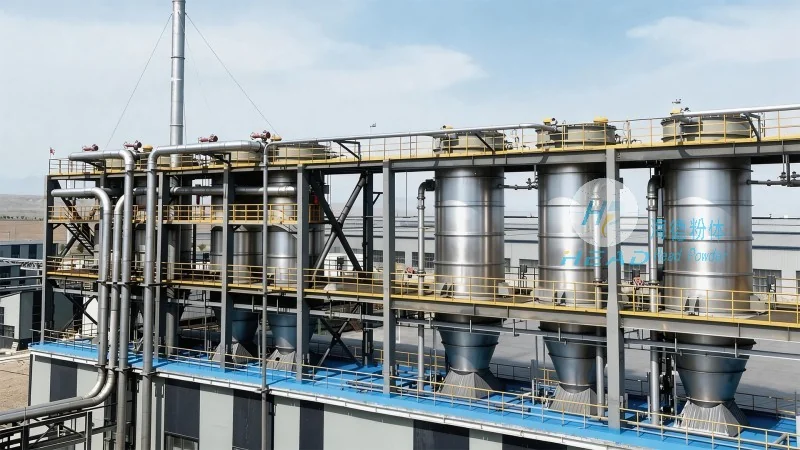
The Working Principle of Graphite Pneumatic Conveying
The fundamental principle behind graphite pneumatic conveying is the use of air as a medium to transport dry bulk materials. There are two primary modes of operation: dilute phase and dense phase. In dilute phase conveying, the material is suspended in a high-velocity air stream, allowing it to be transported over long distances with minimal pressure drop. This method is ideal for short to medium transport distances and is commonly used for lighter materials. In contrast, dense phase conveying uses lower air velocities and higher material concentrations, resulting in a more controlled and gentle transport process. This approach is particularly suitable for delicate materials like graphite, where product degradation or caking must be avoided.
Advantages of Graphite Pneumatic Conveying
Graphite pneumatic conveying offers several advantages over traditional mechanical conveying methods. One of the most significant benefits is the ability to transport materials without the need for physical contact, which reduces product contamination and wear on equipment. Additionally, this method allows for the integration of multiple processing steps, such as mixing, drying, and packaging, within a single system. The flexibility of pneumatic conveying systems also enables easy modification of transport routes, making them adaptable to changing production requirements. Furthermore, the system can be designed to handle a wide range of particle sizes and densities, ensuring compatibility with diverse graphite products.

Applications in Industrial Settings
Graphite pneumatic conveying systems are widely used in various industrial applications where the handling of fine powders is essential. In the chemical industry, these systems are employed to transport graphite powders used in the production of lubricants, refractory materials, and electrodes. The pharmaceutical sector utilizes such systems for the transport of graphite-based excipients or additives in drug formulations. Manufacturing industries, particularly those involved in the production of electronic components or batteries, also rely on graphite pneumatic conveying to ensure efficient material handling and minimize downtime. The ability to maintain product purity and prevent contamination makes this technology indispensable in these high-stakes environments.
Conclusion and Company Commitment
Graphite pneumatic conveying represents a sophisticated and efficient solution for the transportation of fine particulate materials. By understanding the working principles and advantages of such systems, industries can enhance operational efficiency and product quality. HeadPowder, with its expertise and commitment to innovation, continues to provide tailored solutions that meet the evolving needs of the powder handling industry. Their focus on quality, reliability, and customer satisfaction ensures that clients receive systems that are not only effective but also durable and easy to maintain. As the demand for advanced powder handling technologies grows, companies like HeadPowder play a pivotal role in driving progress and improving industrial processes worldwide.