

Principle and Working Scenario Characteristics of Intermittent Feeding Pneumatic Conveying Equipment
Intermittent feeding pneumatic conveying equipment is a specialized system designed for the efficient and reliable transport of bulk materials in industrial settings. This technology offers a flexible and effective solution for moving powders, granules, and other particulate materials over varying distances and within diverse operational environments. The equipment is engineered to handle a wide range of materials, including fine powders, coarse granules, and even sticky or abrasive substances, making it suitable for various industries such as food processing, pharmaceuticals, chemicals, and minerals.

Working Principle of Intermittent Feeding Pneumatic Conveying Systems
The core mechanism of intermittent feeding pneumatic conveying equipment involves the use of a vacuum or pressure source to create airflow that propels the material through a pipeline. The system operates by intermittently feeding material into the conveying line, typically using a hopper or feeder that releases material in controlled batches. This approach helps maintain consistent material flow and reduces the risk of blockages or material degradation. The airflow is generated by a blower or vacuum pump, which creates a pressure differential that draws or pushes the material through the system. The design often includes features such as a filter system to capture dust and a control panel to regulate the feeding rate and airflow, ensuring optimal performance and safety.

Key Components and Their Functions
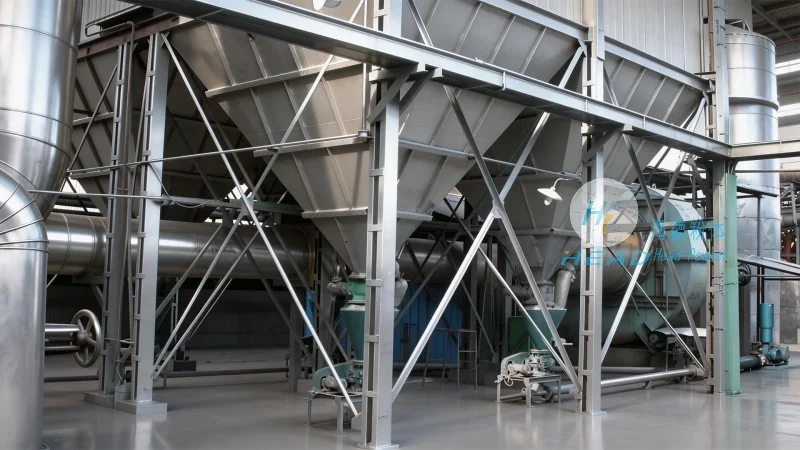
Intermittent feeding pneumatic conveying systems consist of several critical components that work in tandem to achieve efficient material transport. The primary components include a hopper or feeder for material storage and controlled release, a conveying line (usually made of stainless steel or other corrosion-resistant materials) to guide the material, a blower or vacuum pump to generate the necessary airflow, and a filter system to capture and collect any airborne particles. Additionally, the system may incorporate a control unit that monitors and adjusts the feeding rate, pressure, and airflow to maintain stable operation. Each component plays a vital role in ensuring the system operates smoothly and efficiently, minimizing downtime and maximizing material throughput.
Working Scenario Characteristics and Applications
The intermittent feeding pneumatic conveying equipment is particularly well-suited for applications where precise control over material flow is essential. This includes scenarios where the material needs to be transported from a storage silo to a processing unit, or from one production line to another, with minimal variation in flow rate. The system is ideal for industries that handle sensitive materials, as the enclosed pipeline prevents contamination and exposure to the environment. For example, in the food industry, the equipment can be used to transport flour, sugar, or other dry ingredients from storage to production lines, ensuring hygiene and maintaining product quality. In the pharmaceutical sector, it can transport powders and granules for drug manufacturing, where contamination control is paramount. The equipment also excels in applications involving abrasive or sticky materials, as the enclosed system reduces wear and tear on components and prevents material buildup.
Advantages of Intermittent Feeding Pneumatic Conveying
Compared to continuous feeding systems, intermittent feeding offers several advantages that make it a preferred choice in many industrial applications. One of the key benefits is the ability to maintain consistent material flow by controlling the feeding rate, which reduces the risk of overloading the conveying line and causing blockages. This control also helps in reducing energy consumption, as the system only operates when material is being fed, rather than continuously running. Another advantage is the flexibility in material handling, as the system can accommodate a wide range of particle sizes and shapes, including fine powders and coarse granules. The enclosed design of the equipment also enhances safety by preventing dust emissions and minimizing the risk of material spillage. Furthermore, the system is relatively easy to install and maintain, with components that are accessible for routine checks and repairs. These advantages make intermittent feeding pneumatic conveying equipment a cost-effective and reliable solution for bulk material transport in various industrial settings.

Conclusion and Company Overview
Intermittent feeding pneumatic conveying equipment, as offered by Shandong HeadPowder Engineering Co., Ltd., represents a sophisticated and efficient solution for bulk material transport in diverse industrial applications. The company, known as headpowder, specializes in designing and manufacturing high-quality pneumatic conveying systems tailored to meet the specific needs of various industries. With a focus on precision, reliability, and durability, the equipment is engineered to handle a wide range of materials and operational conditions. The company's commitment to quality and customer satisfaction ensures that clients receive systems that are not only efficient but also safe and environmentally friendly. Based in Shandong, China, headpowder leverages its expertise and local resources to provide comprehensive solutions for material handling challenges, helping industries improve productivity and operational efficiency.