

Working Principle and Features of Pneumatic Conveying Equipment for Carbon Powder Materials
Pneumatic conveying equipment is a critical solution for the efficient and reliable transport of carbon powder materials in industrial settings. This technology offers a non-contact method of moving powders through a pipeline using air or gas as the conveying medium. For companies dealing with carbon powders, such as graphite, carbon black, or other fine carbon-based materials, selecting the right pneumatic conveying system is essential to maintain product quality, ensure operational efficiency, and minimize downtime.
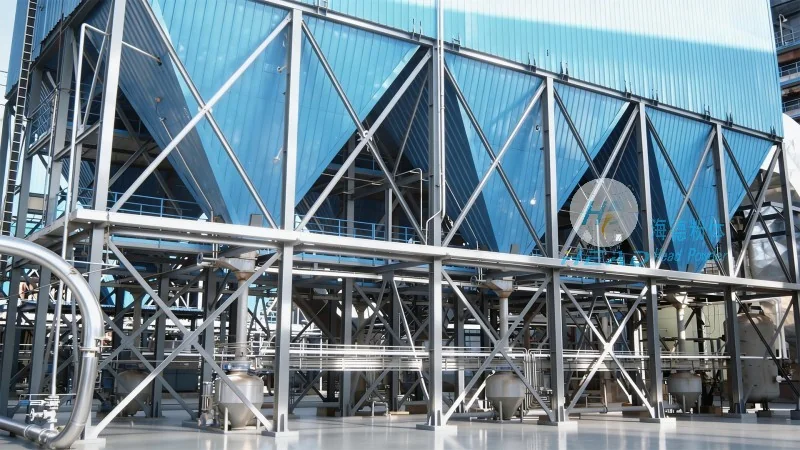
Working Principle of Pneumatic Conveying Equipment
The core working principle of pneumatic conveying equipment for carbon powder materials involves creating a pressure differential within a closed system. The process typically starts with the carbon powder being fed into a hopper or feeder. From there, the powder is introduced into a pipeline where a high-velocity air stream (or gas) is present. This air stream lifts and transports the carbon powder particles through the pipeline to the destination point, such as a storage silo, processing unit, or packaging area. The system may operate under either positive pressure (where air is forced into the system) or negative pressure (where air is drawn out), depending on the specific requirements of the application.
Key Components and Their Functions in the System
Several key components work together to ensure the smooth operation of a pneumatic conveying system for carbon powders. The primary components include:

- Feeder/Inlet Device: This component is responsible for feeding the carbon powder into the conveying system. It ensures a consistent and controlled flow of material into the pipeline, preventing blockages and maintaining system efficiency.
- Conveying Pipeline: The pipeline serves as the main transport path for the carbon powder and air mixture. It is typically made of materials like stainless steel or plastic, chosen for their resistance to corrosion and wear from the carbon powder particles.
- Air Compressor or Vacuum Pump: This component generates the necessary air pressure or vacuum to move the carbon powder through the pipeline. The choice between a positive pressure system (using a compressor) and a negative pressure system (using a vacuum pump) depends on factors like the distance to be covered, the volume of material to be transported, and the need to prevent product contamination.
- Separation and Collection System: At the end of the conveying line, the carbon powder is separated from the air stream. This is typically achieved using a cyclone separator or a bag filter. The separated powder is collected in a hopper or silo, while the air is either filtered and recirculated or vented to the atmosphere.
- Control System: Modern pneumatic conveying systems often include a control panel that monitors and regulates the flow of air, powder, and system pressure. This ensures optimal performance and allows for adjustments based on changing operational conditions.
Features and Advantages of the Equipment
Pneumatic conveying equipment for carbon powder materials offers several distinct advantages over traditional methods like belt conveyors or manual handling. Some of the key features and benefits include:

- Efficiency and Speed: The system can transport carbon powders at high speeds, reducing the time required for material movement and increasing overall production throughput.
- Non-Contact Handling: Since the carbon powder is conveyed without physical contact with the equipment, the risk of contamination and product degradation is minimized. This is particularly important for high-purity carbon powders used in applications like electronics or batteries.
- Versatility: Pneumatic conveying systems can handle a wide range of carbon powder types and sizes, from fine powders to larger granules, with minimal modifications to the system.
- Space Efficiency: The equipment requires less floor space compared to traditional bulk handling systems, making it suitable for facilities with limited space.
- Environmental Benefits: By using enclosed pipelines and efficient separation systems, the equipment reduces dust emissions and improves workplace safety, contributing to a cleaner and more sustainable operation.
Application Scenarios and Benefits for Carbon Powder Handling
The applications of pneumatic conveying equipment for carbon powder materials are diverse and span multiple industries. In the battery manufacturing sector, for example, carbon black is a critical component in lithium-ion batteries. Pneumatic conveying systems ensure that this material is transported efficiently from storage to the mixing and coating stages, maintaining its quality and preventing dust exposure. Similarly, in the graphite industry, where fine graphite powders are used in lubricants and refractory materials, the equipment helps maintain consistent particle size and prevents contamination during transport.

For companies in the carbon fiber or carbon composite manufacturing industries, the system is essential for transporting carbon fibers or powders to the production lines. The non-contact nature of the system prevents fiber breakage and maintains the integrity of the material, which is crucial for the final product's performance. Additionally, in the chemical and pharmaceutical industries, where carbon powders are used as additives or raw materials, the equipment ensures a clean and controlled supply chain, reducing the risk of cross-contamination.
Company Profile: Shandong HeadPowder Engineering Co., Ltd.
Shandong HeadPowder Engineering Co., Ltd., commonly known as HeadPowder, is a leading manufacturer and supplier of pneumatic conveying equipment and related solutions for carbon powder materials. With a strong focus on innovation and customer satisfaction, the company has established itself as a trusted partner for businesses in the carbon industry. HeadPowder's products are designed to meet the specific needs of each client, ensuring optimal performance and reliability. The company's headquarters is located in Shandong, China, where it operates a state-of-the-art manufacturing facility equipped with advanced technology and skilled personnel. By combining years of industry experience with cutting-edge engineering, HeadPowder provides high-quality solutions that enhance the efficiency and safety of carbon powder handling processes.