

Working Principle and Features of Gypsum Sand Powder Pneumatic Conveying Equipment
HeadPowder, a prominent manufacturer headquartered in Shandong, China, specializes in the development and production of advanced pneumatic conveying systems tailored for handling gypsum sand and other fine powders. This article delves into the working principle and key characteristics of such equipment, offering a comprehensive overview of its operational efficiency and technical benefits.


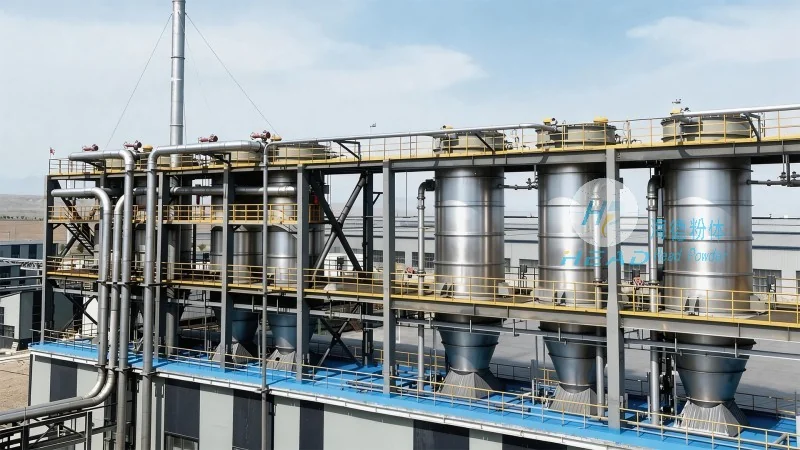
Working Principle of the Pneumatic Conveying System
The fundamental operation of the gypsum sand powder pneumatic conveying equipment revolves around the use of a pressurized or vacuum air stream to transport bulk materials. The system typically comprises several essential components, including a material hopper for storage, a feeder to regulate the flow rate, a pipeline network for material transport, and a receiver for the discharged product. A blower or compressor generates the airflow, which is then directed through the pipeline to suspend and move the powder particles. The air flow is carefully controlled to ensure the powder remains in suspension without clogging or degradation, eliminating the need for mechanical parts like belts or screws. This approach reduces maintenance requirements and enhances safety when handling fine powders, making it an ideal solution for industries requiring clean and efficient material transport.
Key Features and Advantages
HeadPowder's gypsum sand powder pneumatic conveying equipment is distinguished by several notable features that enhance its performance and applicability. Firstly, the system provides a dust-free and hygienic handling solution, which is critical for industries such as food processing, pharmaceuticals, or chemical manufacturing where contamination control is non-negotiable. Secondly, the equipment is designed for high energy efficiency, with optimized airflow management that minimizes power consumption while maintaining consistent material transport rates. Thirdly, the flexible pipeline configuration allows for adaptation to various plant layouts and material handling needs, enabling easy integration into existing production lines. Additionally, the system can handle a wide range of particle sizes and moisture contents, making it versatile for processing gypsum sand with diverse characteristics. The advanced control systems enable real-time monitoring and adjustment of operational parameters, ensuring optimal performance and reliability. Furthermore, the equipment is built with durable materials to withstand the abrasive nature of gypsum sand, extending its service life and reducing replacement costs.