

What is a Phosphoric Acid Calcium Material Pneumatic Conveying System? What Are Its Design Principle
Phosphoric acid calcium is a critical raw material widely used in the fertilizer industry, pharmaceuticals, and food additives. The efficient and safe transportation of this material from production sites to processing facilities is essential for maintaining production efficiency and product quality. A pneumatic conveying system offers a reliable solution for handling such materials, particularly when dealing with powders like phosphoric acid calcium. This article explores the concept of a phosphoric acid calcium material pneumatic conveying system and delves into its fundamental design principles.

Understanding Pneumatic Conveying Systems
Pneumatic conveying systems utilize air or other gases to transport bulk materials through a pipeline network. This method is particularly advantageous for materials that are dusty, corrosive, or require minimal contact with the environment. The system typically consists of a blower, a hopper for material storage, a conveying line, and a receiver for the material's final destination. The core of the system is the air flow, which propels the material particles through the pipeline, ensuring a continuous and controlled transfer process.
Key Components of a Phosphoric Acid Calcium Pneumatic Conveying System
The design of a phosphoric acid calcium pneumatic conveying system involves several key components that work in harmony to ensure optimal performance. These components include:
1. Material Hopper and Feeder: The hopper stores the phosphoric acid calcium material and feeds it into the conveying line at a controlled rate. This component is crucial for maintaining a consistent flow rate, preventing blockages, and ensuring the material is properly metered before transport.
2. Blower or Air Compressor: The blower generates the necessary air pressure and flow rate to move the material particles through the pipeline. The choice of blower type—such as positive displacement or centrifugal—depends on the material's properties, such as particle size, density, and moisture content. For phosphoric acid calcium, which can be abrasive and corrosive, a blower with appropriate material compatibility and pressure ratings is essential.
3. Conveying Pipeline: The pipeline is typically made of materials like stainless steel or special coatings to resist corrosion from the phosphoric acid calcium. The design of the pipeline, including bends, elbows, and straight sections, affects the system's efficiency and pressure drop. Properly sized and angled pipelines minimize energy consumption and prevent material buildup or blockages.
4. Receiver and Diverter: The receiver collects the material at the end of the conveying line, while the diverter controls the material's flow direction, allowing it to be directed to different processing units or storage areas. The receiver is designed to handle the material's characteristics, ensuring no spillage or contamination occurs during the transfer process.
Design Principles for Efficient Material Handling
The design principles of a phosphoric acid calcium pneumatic conveying system focus on maximizing efficiency, minimizing energy consumption, and ensuring the material's integrity. Several key principles guide the system's design:
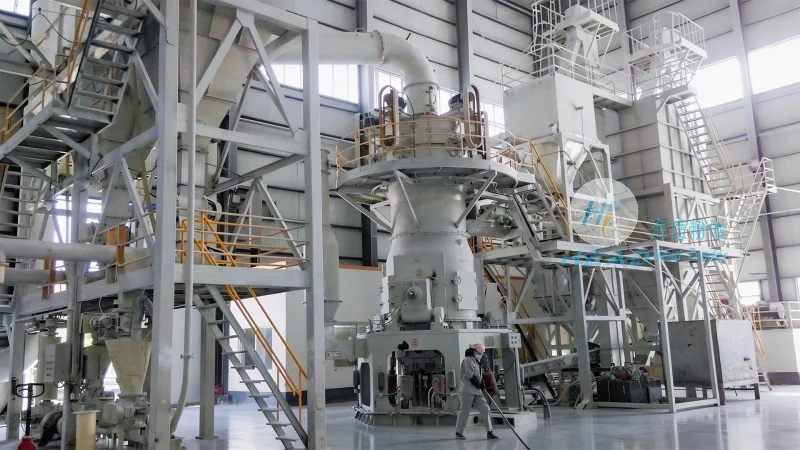
1. Material Compatibility: The system components must be compatible with the corrosive and abrasive nature of phosphoric acid calcium. Stainless steel, PTFE-coated pipes, or specialized alloys are commonly used to prevent material degradation and equipment wear.
2. Pressure and Flow Rate Optimization: The system is designed to operate at an optimal pressure and flow rate that balances energy efficiency with material transport speed. Excessive pressure can lead to higher energy costs and potential equipment damage, while insufficient pressure may cause material blockages or incomplete transfer.
3. System Sizing and Layout: Proper sizing of the hopper, feeder, and pipeline is critical to avoid material bridging or segregation. The layout of the conveying line, including the number and angle of bends, is carefully planned to minimize pressure losses and ensure smooth material flow.
4. Control and Monitoring: Modern pneumatic conveying systems incorporate control systems that monitor pressure, flow rate, and material level. These systems allow for real-time adjustments to maintain optimal performance and prevent system failures or material losses.
Benefits of Using a Pneumatic Conveying System for Phosphoric Acid Calcium
Implementing a pneumatic conveying system for phosphoric acid calcium offers several advantages over traditional methods like belt conveyors or bucket elevators. These benefits include:
1. Reduced Material Loss and Contamination: Pneumatic systems minimize material contact with the environment, reducing dust emissions and preventing contamination from external sources. This is particularly important for materials used in pharmaceutical or food applications.
2. Improved Safety: The enclosed pipeline design reduces the risk of dust explosions and exposure to hazardous materials, creating a safer working environment for personnel.
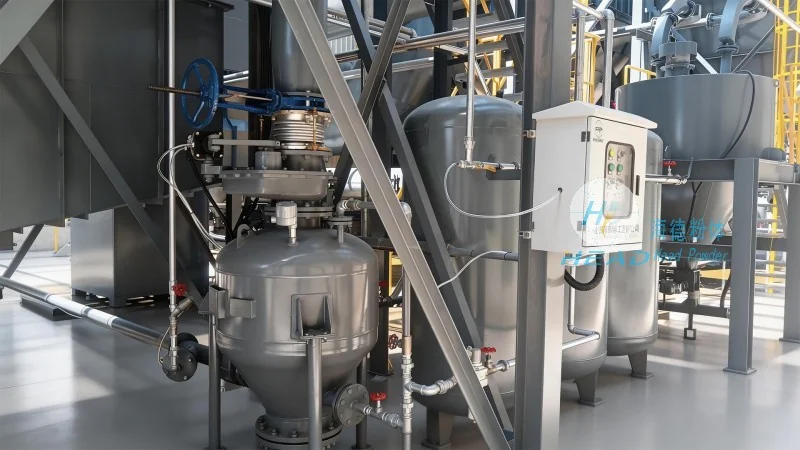
3. Enhanced Product Quality: By maintaining a consistent flow rate and minimizing material handling, the system helps preserve the quality and integrity of the phosphoric acid calcium, ensuring it meets the required specifications for downstream processes.
4. Space Efficiency: Pneumatic conveying systems can be installed in compact spaces, making them suitable for facilities with limited floor area or where vertical space is constrained.
Applications and Industry Use Cases
Phosphoric acid calcium pneumatic conveying systems are widely used in various industries where this material is a key component. Some common applications include:
1. Fertilizer Production: In fertilizer plants, the system efficiently transports phosphoric acid calcium from storage silos to mixing and granulation units, ensuring a continuous supply of raw material for product manufacturing.
2. Pharmaceutical Manufacturing: For pharmaceutical applications, the system provides a clean and controlled method of transporting the material to processing lines, maintaining strict hygiene standards and preventing contamination.
3. Food and Beverage Industry: In food additive production, the pneumatic conveying system ensures the safe and hygienic transfer of phosphoric acid calcium into processing equipment, meeting regulatory requirements for food safety.
Conclusion
A phosphoric acid calcium material pneumatic conveying system is a sophisticated and efficient solution for handling this critical raw material. By adhering to the design principles outlined above, manufacturers can achieve optimal performance, minimize operational costs, and ensure the quality and safety of their products. The system's benefits, including reduced contamination, enhanced safety, and improved efficiency, make it a preferred choice for industries relying on phosphoric acid calcium. As a leading provider in this field, Shandong HeadPowder Engineering Co., Ltd. specializes in designing and implementing such systems, leveraging years of expertise to deliver tailored solutions that meet the unique needs of each client.