

What is Fermented Grain Powder Pneumatic Conveying? What Are the Design Principles?
Fermented grain powder, a critical component in the production of traditional alcoholic beverages, requires efficient and reliable handling systems to ensure quality and consistency. Pneumatic conveying has emerged as a preferred method for transporting such powders due to its ability to handle fine, abrasive materials like fermented grain while maintaining hygiene and process control. This article explores the fundamentals of fermented grain powder pneumatic conveying and delves into the key design principles that underpin effective system implementation.

Understanding Fermented Grain Powder Pneumatic Conveying
Fermented grain powder, derived from the fermentation process of grains such as rice, wheat, or sorghum, is a fine, particulate material with unique properties. These properties include high moisture content, potential for caking, and sensitivity to moisture and temperature changes. Traditional handling methods, like belt conveyors or bucket elevators, may not be suitable due to the risk of material degradation or contamination. Pneumatic conveying, which uses compressed air to transport powders through a pipeline, offers a solution by providing a closed system that minimizes exposure to external factors and maintains product integrity.
The Role of Pneumatic Conveying in Fermented Grain Processing
For manufacturers of fermented grain products, the efficiency of material transport directly impacts production throughput and product quality. Pneumatic conveying systems enable seamless transfer of fermented grain powder from storage silos to processing units, such as mash tanks or fermentation vessels. This not only reduces downtime but also ensures that the powder is delivered in a consistent state, which is crucial for maintaining the desired fermentation characteristics. The technology also allows for the integration of multiple processing steps, streamlining the overall production workflow.

Key Design Principles for Fermented Grain Powder Pneumatic Conveying Systems
The success of a pneumatic conveying system for fermented grain powder depends on several critical design principles. First, the system must be designed to handle the specific physical and chemical properties of the powder, including particle size distribution, moisture content, and flowability. This involves selecting appropriate equipment, such as rotary valves, airlocks, and cyclones, that are compatible with the material's characteristics. Second, the system must maintain a consistent air pressure and flow rate to ensure reliable and continuous transport. This requires careful consideration of the pipeline layout, including the use of bends, elbows, and straight sections, to minimize pressure drop and prevent material blockages.
Material Handling and Process Integration
Effective design of pneumatic conveying systems for fermented grain powder also involves integrating the transport process with other production steps. For instance, the system may need to connect to a milling or sieving unit to adjust the particle size of the powder before conveying. Additionally, the system should be designed to accommodate variations in feed rate, ensuring that the conveying capacity matches the production demand. This integration helps optimize the overall process efficiency and reduces the risk of bottlenecks or material loss.
System Components and Their Functionality
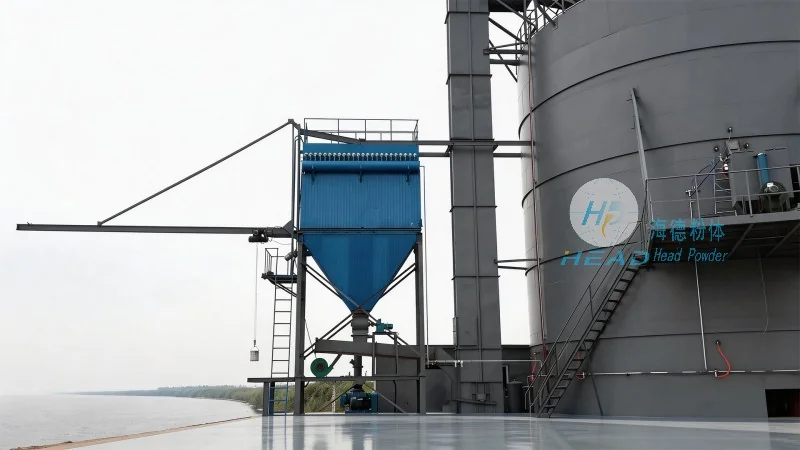
A typical pneumatic conveying system for fermented grain powder consists of several key components. The primary components include a material feeder, such as a rotary valve or a star feeder, which controls the flow of powder into the system. The feeder is connected to a pipeline that transports the powder using compressed air. At the receiving end, a separator, such as a cyclone or a bag filter, is used to separate the powder from the air stream and collect it in a storage bin or processing vessel. The air is then filtered and discharged back into the environment or recycled back to the system.
Advantages of Pneumatic Conveying for Fermented Grain Powder
Compared to traditional handling methods, pneumatic conveying offers several advantages for fermented grain powder. These include improved product hygiene, as the system is enclosed and prevents contamination from dust or external elements. It also reduces material degradation by minimizing exposure to air and moisture, which can affect the fermentation process. Additionally, pneumatic conveying systems are more flexible and can be easily modified to accommodate changes in production volume or product specifications. This adaptability makes them a cost-effective solution for manufacturers operating in dynamic market conditions.

Challenges and Mitigation Strategies
While pneumatic conveying is an effective method for handling fermented grain powder, it also presents certain challenges. One of the main challenges is the risk of material blockages in the pipeline, especially if the powder has high moisture content or is prone to caking. To mitigate this, designers often incorporate features such as air knives or vibrators in the pipeline to prevent blockages. Another challenge is the maintenance of the system, as components like rotary valves and cyclones require regular cleaning and replacement to ensure optimal performance. Proper maintenance schedules and the use of high-quality materials can help minimize downtime and extend the system's lifespan.
Conclusion
Fermented grain powder pneumatic conveying is a sophisticated and essential technology in the production of alcoholic beverages. By understanding the unique properties of fermented grain powder and applying the key design principles, manufacturers can develop efficient and reliable systems that enhance product quality and production efficiency. The integration of advanced components and careful system design ensures that the conveying process is seamless, hygienic, and adaptable to changing production needs. As the demand for high-quality fermented grain products continues to grow, the importance of effective pneumatic conveying systems will only increase, making them a critical investment for manufacturers in the industry.