

What is Phosphorus Pentoxide Material Handling? What are the Design Principles?
Phosphorus pentoxide, with its chemical formula P₂O₅, is a highly reactive and hygroscopic compound widely used in various industrial applications. When handling this material, specialized equipment and design principles are essential to ensure safety, efficiency, and compliance with industrial standards. This article explores the material handling of phosphorus pentoxide and the underlying design principles that govern such operations.
Introduction to Phosphorus Pentoxide Material Handling
Phosphorus pentoxide is known for its extreme reactivity with water, forming phosphoric acid upon contact. This characteristic makes it crucial to handle the material in a dry, inert environment to prevent exothermic reactions and potential hazards. The material handling process involves several key components, including storage, transfer, and processing, each requiring tailored solutions to manage the compound's properties effectively.
Key Design Principles for Phosphorus Pentoxide Handling Systems
The design of a phosphorus pentoxide material handling system must prioritize safety due to the material's corrosive and reactive nature. Key principles include the use of non-reactive materials for equipment construction, such as stainless steel or specialized plastics that resist chemical attack. Additionally, the system must incorporate effective dust control measures, as phosphorus pentoxide is often handled in powder form, which can create airborne particles posing health risks. Temperature control is another critical factor, as the material's handling requires maintaining conditions that prevent decomposition or unwanted reactions.

Components of a Phosphorus Pentoxide Material Handling System
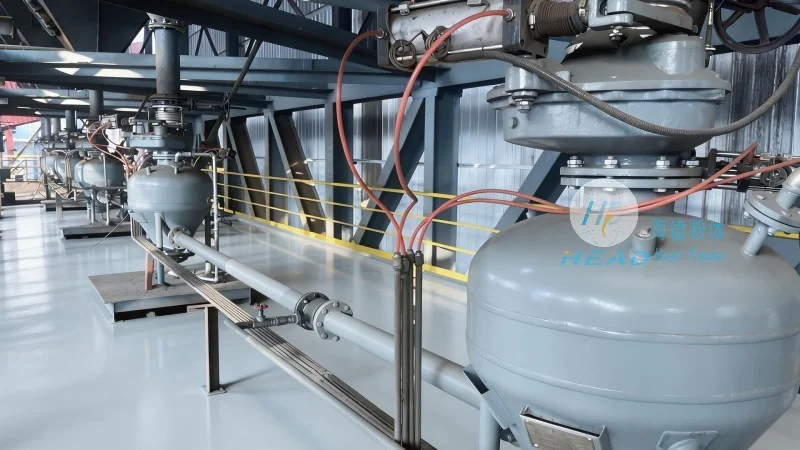
A typical phosphorus pentoxide handling system consists of several interconnected components designed to manage the material from storage to processing. These components may include sealed storage containers, vacuum or pressure transfer systems, and specialized conveying equipment. The storage containers are often made of materials like PTFE or glass-lined steel to prevent contamination and reaction with the compound. Transfer systems may use vacuum pumps or positive displacement pumps to move the material safely, avoiding direct contact with air and moisture. Conveying equipment, such as pneumatic or mechanical conveyors, is designed to handle the powder without generating excessive dust or causing blockages.

Safety Measures and Compliance in Phosphorus Pentoxide Handling
Given the hazardous nature of phosphorus pentoxide, strict safety measures are mandatory in any handling operation. Personal protective equipment (PPE) such as gloves, goggles, and respirators is essential for personnel working with the material. The handling area must be equipped with proper ventilation systems to remove any airborne particles and prevent accumulation of the powder. Additionally, emergency response plans are critical, including procedures for handling spills or leaks, as the material can cause severe burns and respiratory issues if not managed correctly. Compliance with local and international regulations, such as those from OSHA or the European Chemicals Agency (ECHA), is also a key consideration in the design and operation of the system.
Applications and Industries Using Phosphorus Pentoxide Handling Systems
Phosphorus pentoxide is utilized in various industries, including pharmaceuticals, agriculture, and chemical manufacturing. In pharmaceuticals, it serves as a dehydrating agent and a raw material for producing phosphoric acid, which is used in drug formulations. In agriculture, it is used to produce phosphoric acid fertilizers, enhancing soil fertility. The material handling systems designed for phosphorus pentoxide are tailored to the specific needs of these industries, ensuring efficient and safe production processes. For example, in chemical manufacturing, the system may be integrated with other processing equipment to streamline the production of phosphoric acid or other derivatives.