

What is Pyrolytic Carbon Pneumatic Conveying? And What Are Its Design Principles?
Pyrolytic carbon, a material with unique properties, is often handled using pneumatic conveying systems. This method involves transporting the material through a pipeline using air or other gas as the conveying medium. The design of such systems for pyrolytic carbon requires careful consideration of several key factors to ensure efficient and reliable operation.

Understanding Pneumatic Conveying for Pyrolytic Carbon
At the core of pyrolytic carbon pneumatic conveying is the ability to move this material from a source to a destination without direct contact with mechanical components. This is achieved by creating a flow of air or gas that entrains the particles of pyrolytic carbon within the conveying line. The effectiveness of this process depends on several variables, including the particle size, density, and flow characteristics of the material, as well as the pressure and velocity of the conveying gas.
Key Design Principles for Pyrolytic Carbon Pneumatic Conveying Systems
When designing a pneumatic conveying system for pyrolytic carbon, engineers must consider multiple design principles to optimize performance and minimize operational issues. One of the primary considerations is the selection of the appropriate conveying method, which can be categorized as either dilute-phase or dense-phase. Dilute-phase systems operate at higher velocities and lower pressure differentials, making them suitable for shorter distances and less abrasive materials. Dense-phase systems, on the other hand, use lower velocities and higher pressure differentials, which are ideal for handling more abrasive or sensitive materials like pyrolytic carbon, as they reduce particle degradation and equipment wear.

Another critical design principle is the selection of the conveying line diameter and length. The line diameter must be sufficient to prevent particle settling and blockages, while the length must be optimized to balance pressure drop and energy consumption. Engineers also need to consider the material's flow properties, such as its angle of repose and cohesive forces, which can affect the system's ability to maintain a consistent flow. Properly sizing the line and using appropriate fittings, such as bends and elbows, can help mitigate issues related to particle accumulation and pressure losses.
Material Handling Considerations in Pyrolytic Carbon Pneumatic Conveying
Pyrolytic carbon is known for its high purity and specific mechanical properties, making it essential to handle it with minimal contamination and degradation. The design of the pneumatic conveying system must account for these characteristics to preserve the material's quality. For instance, the use of stainless steel or other corrosion-resistant materials for the conveying line and components is crucial to prevent chemical reactions that could alter the material's properties. Additionally, the system should be designed to minimize particle attrition, as the mechanical wear from high-velocity air can break down the carbon particles, affecting their performance in downstream applications.
System Components and Their Roles in Pyrolytic Carbon Pneumatic Conveying
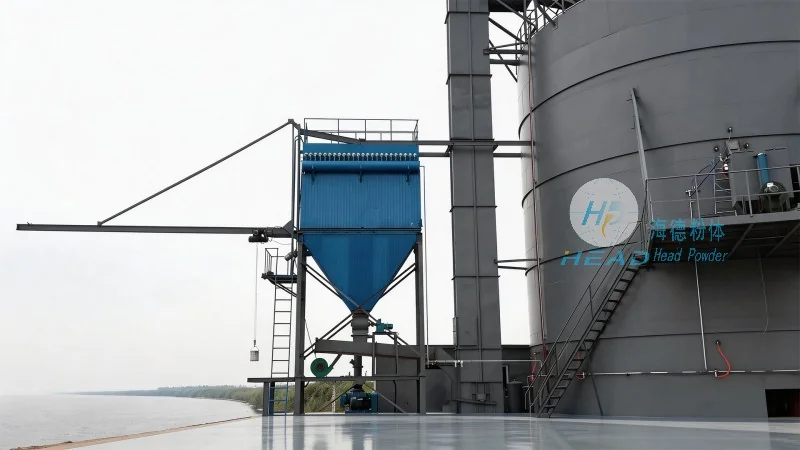
A typical pyrolytic carbon pneumatic conveying system includes several key components, each playing a vital role in the overall operation. The source of the material, such as a hopper or silo, feeds the pyrolytic carbon into the system. A feeder, often a rotary valve or a screw feeder, controls the flow rate of the material into the conveying line. The conveying line itself transports the material, and the gas is introduced through a blower or a positive displacement pump to create the necessary pressure and velocity. At the destination, a receiver or a filter collects the material, and a venting system removes the excess air. Each component must be selected and sized based on the specific characteristics of the pyrolytic carbon being handled to ensure optimal performance.
Operational Parameters and Their Impact on Pyrolytic Carbon Pneumatic Conveying
The operational parameters of a pneumatic conveying system, including the air pressure, flow rate, and temperature, significantly impact the efficiency and reliability of pyrolytic carbon transport. Maintaining consistent pressure and flow rates is essential to prevent fluctuations that could lead to blockages or uneven material distribution. Temperature control is also important, as pyrolytic carbon can be sensitive to high temperatures, which may cause degradation or changes in its physical properties. Proper monitoring and control of these parameters help ensure that the system operates within its optimal range, minimizing downtime and maximizing throughput.

Advantages and Challenges of Pyrolytic Carbon Pneumatic Conveying
Pneumatic conveying offers several advantages for handling pyrolytic carbon, including the ability to transport the material over long distances, the elimination of mechanical wear on the material, and the flexibility to integrate with existing processing equipment. However, the system also presents challenges, such as the need for high energy consumption, potential for particle degradation, and the risk of system blockages if not properly designed or maintained. Addressing these challenges through careful system design and regular maintenance is crucial to ensure the long-term effectiveness of pyrolytic carbon pneumatic conveying.
Conclusion: The Importance of Proper Design in Pyrolytic Carbon Pneumatic Conveying
Designing an effective pneumatic conveying system for pyrolytic carbon requires a comprehensive understanding of the material's properties and the principles of pneumatic transport. By considering factors such as conveying method, line sizing, material handling, and operational parameters, engineers can develop a system that efficiently and reliably transports pyrolytic carbon while preserving its quality. The expertise of companies like Shandong HeadPowder Engineering Co., Ltd., with their focus on engineering solutions tailored to specific material needs, plays a vital role in ensuring the success of such systems in various industrial applications.