

What is Copper Sulfate Pneumatic Conveying? What Are the Design Principles?
Copper sulfate, a widely used chemical compound in various industrial applications, often requires efficient and reliable material handling solutions. Pneumatic conveying systems have emerged as a key technology for transporting copper sulfate, offering advantages such as dust control, safety, and flexibility. This article explores the concept of copper sulfate pneumatic conveying and delves into the underlying design principles that ensure effective and efficient material transport.

Understanding Copper Sulfate Pneumatic Conveying
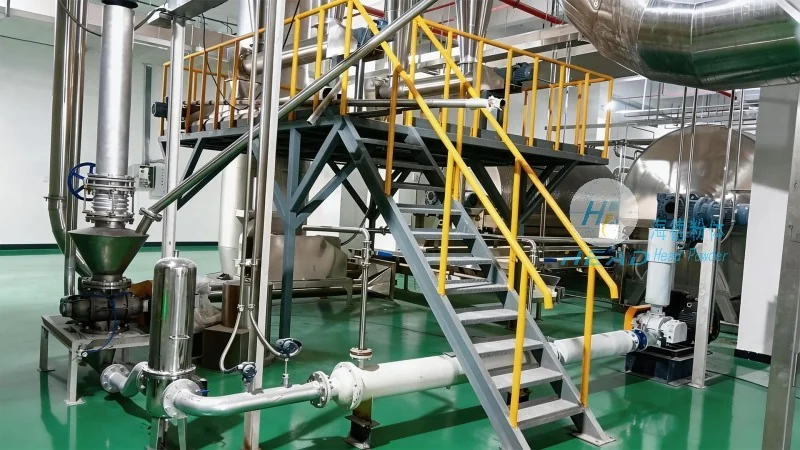
Pneumatic conveying involves the use of air or other gases to transport bulk materials like copper sulfate through a pipeline system. Unlike traditional mechanical conveying methods, which rely on belts or buckets, pneumatic systems utilize pressure differentials to move materials. This method is particularly beneficial for copper sulfate due to its hygroscopic nature and the need to prevent contamination or degradation during transport. The system typically consists of a hopper, a conveyor line, and a receiver, with air being introduced to create a flow of material through the pipeline.
Key Design Principles for Copper Sulfate Pneumatic Conveying Systems
The design of a copper sulfate pneumatic conveying system is critical to its performance and longevity. Several key principles guide the engineering process, ensuring optimal material handling. First, the system must be designed to handle the specific physical properties of copper sulfate, including its particle size distribution, density, and flow characteristics. Proper sizing of the pipeline and air velocity is essential to prevent blockages or excessive wear on components. Second, the system must incorporate effective dust control measures, as copper sulfate is a fine powder that can generate significant dust during handling. This includes using sealed containers, filtration systems, and appropriate air filtration to maintain a safe and clean environment. Third, the system should be designed for energy efficiency, minimizing the power consumption while maintaining the required conveying capacity. This involves selecting the right type of air compressor, optimizing air pressure, and using efficient pipeline designs. Finally, the system must adhere to safety standards and regulations, particularly regarding the handling of potentially hazardous materials like copper sulfate. This includes proper ventilation, explosion-proof components, and emergency shutdown systems.
Role of Shandong HeadPowder Engineering Co., Ltd. in Copper Sulfate Pneumatic Conveying Solutions
Shandong HeadPowder Engineering Co., Ltd., a leading provider of material handling solutions, specializes in designing and manufacturing customized copper sulfate pneumatic conveying systems. With years of experience in the industry, the company understands the unique challenges associated with handling copper sulfate and has developed advanced solutions to address them. The company's team of engineers and technicians work closely with clients to assess their specific requirements, from the type of copper sulfate being transported to the desired conveying capacity and distance. By leveraging cutting-edge technology and adhering to rigorous quality standards, HeadPowder ensures that its systems are reliable, efficient, and cost-effective. The company's commitment to customer satisfaction and technical excellence has made it a trusted partner for businesses in various sectors, including mining, chemical processing, and agriculture.

Conclusion
Copper sulfate pneumatic conveying is a sophisticated technology that combines engineering principles with practical application to achieve efficient material transport. The design principles discussed above, including proper system sizing, dust control, energy efficiency, and safety compliance, are essential for the successful implementation of such systems. Companies like Shandong HeadPowder Engineering Co., Ltd. play a vital role in providing tailored solutions that meet the specific needs of their clients, ensuring that copper sulfate is handled safely and effectively. As the demand for efficient material handling continues to grow, the importance of pneumatic conveying systems in the copper sulfate industry will only increase, making it a crucial technology for the future of industrial operations.