

What is Bulk Bag Pneumatic Conveying? And What Are Its Design Principles?
Bulk bag pneumatic conveying is a specialized method used in material handling and processing industries to transport bulk materials from a storage container, such as a super sack or bulk bag, into a processing or storage system. This technology leverages the principles of pneumatic transport, where materials are moved through a pipeline using air or gas as the conveying medium. The process typically involves loading the bulk material into a flexible container, sealing it, and then using a vacuum or pressure system to draw or push the material through the pipeline to the desired destination. This approach offers several advantages over traditional methods like belt conveyors or bucket elevators, including reduced dust generation, lower maintenance requirements, and the ability to handle a wide range of materials, from powders to granules.

Key Components and Design Principles of Bulk Bag Pneumatic Conveying
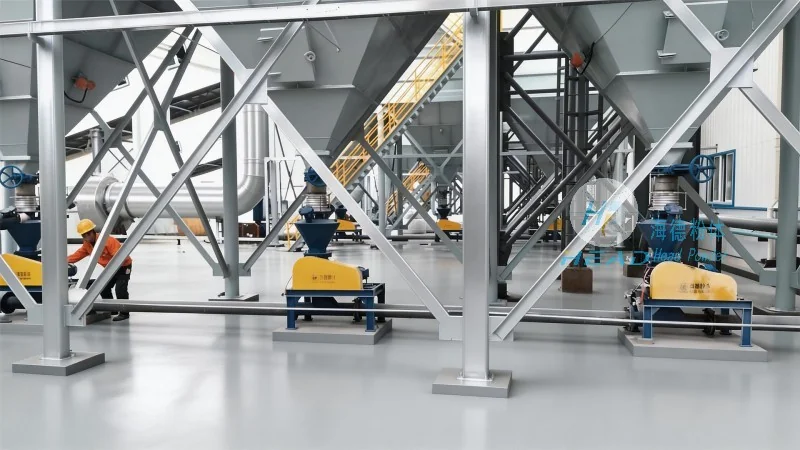
The design of a bulk bag pneumatic conveying system involves several critical components that work in concert to ensure efficient and reliable material transport. The primary components include the bulk bag itself, which is a flexible, woven or plastic container designed to hold large quantities of material; a loading hopper or spout that connects the bag to the conveying pipeline; a vacuum or pressure unit that provides the necessary air flow; and a receiving hopper or silo that collects the material at the destination. The design principles focus on optimizing the flow of material through the system, minimizing pressure drops, and ensuring that the conveying velocity is sufficient to prevent material settling or blockages. Engineers must consider factors such as the material's density, flowability, and moisture content, as well as the system's capacity and the distance over which the material needs to be conveyed. Proper design also involves selecting the appropriate air velocity and pressure to maintain a stable, continuous flow without causing excessive wear on the system components.
Advantages of Using Bulk Bag Pneumatic Conveying
Bulk bag pneumatic conveying offers numerous benefits that make it a preferred choice for many industrial applications. One of the most significant advantages is its ability to handle a wide variety of materials, including fine powders, granules, and even bulk solids that are difficult to transport using traditional methods. The system is also highly effective at reducing dust exposure, which is crucial for maintaining a safe and healthy work environment, especially when dealing with hazardous or fine powders. Additionally, bulk bag pneumatic conveying systems are generally more compact and flexible than other types of conveyors, allowing for easier installation and integration into existing production lines. The process is also relatively low maintenance, as there are fewer moving parts compared to belt or chain conveyors, and the risk of material spillage is minimized due to the enclosed nature of the conveying system. Another key advantage is the ability to transport materials over long distances with minimal energy consumption, making it an efficient solution for large-scale operations.
Applications and Industries Using Bulk Bag Pneumatic Conveying
Bulk bag pneumatic conveying is widely used across various industries due to its versatility and efficiency. In the chemical industry, it is commonly used to transport raw materials and finished products, such as powders and granules, between processing units and storage facilities. The food and beverage industry also relies on this technology to handle ingredients like flour, sugar, and spices, ensuring that the materials are transported hygienically and without contamination. The pharmaceutical industry uses bulk bag pneumatic conveying systems to transport active pharmaceutical ingredients (APIs) and other sensitive materials, where dust control and contamination prevention are critical. In the mining and minerals sector, the system is used to transport ore and other bulk solids from mines to processing plants. Additionally, the agricultural industry utilizes bulk bag pneumatic conveying for handling grains, seeds, and other agricultural products. The system's ability to handle large quantities of material in a single operation makes it ideal for applications where high throughput is required, such as in manufacturing and processing plants.

Case Study: Implementation by Shandong HeadPowder Engineering Co., Ltd.
Shandong HeadPowder Engineering Co., Ltd., a leading provider of material handling solutions, has successfully implemented bulk bag pneumatic conveying systems for numerous clients across China. The company specializes in designing and manufacturing customized conveying systems tailored to the specific needs of each client. For example, one client in the chemical industry required a system to transport fine powders over a distance of 50 meters. HeadPowder engineers designed a vacuum-based system with a high-efficiency filter to ensure minimal dust emission. The system was installed and commissioned with minimal disruption to the client's production line, and it has since been operating efficiently, meeting the client's throughput requirements while reducing maintenance costs. Another project involved a food processing plant that needed to transport bulk bags of flour from a storage area to a mixing unit. HeadPowder designed a pressure-based conveying system with a temperature-controlled pipeline to prevent the flour from clumping or spoiling. The system has been in operation for over two years, with no major issues reported, demonstrating the reliability and effectiveness of the bulk bag pneumatic conveying technology.
Conclusion and Future Trends
Bulk bag pneumatic conveying is a robust and efficient technology that continues to play a vital role in modern material handling. Its ability to handle a wide range of materials, reduce dust exposure, and provide flexible, low-maintenance solutions makes it an attractive option for industries ranging from chemicals to food processing. As technology advances, there are ongoing efforts to improve the efficiency and sustainability of these systems, such as developing more energy-efficient vacuum and pressure units and incorporating advanced control systems to optimize material flow. However, the core principles of bulk bag pneumatic conveying remain consistent, focusing on the effective and safe transport of bulk materials. For companies seeking to enhance their material handling capabilities, investing in a well-designed bulk bag pneumatic conveying system can lead to significant improvements in productivity, safety, and operational efficiency.