

Polycarbonate Pneumatic Conveying Equipment: Structure and Principle of Powder Conveying Devices
Polycarbonate pneumatic conveying equipment represents a specialized solution for the efficient handling and transportation of powder materials. As a key component in industrial material processing, this equipment utilizes air as the primary medium to move powders from one location to another, offering advantages such as non-contact material transport, reduced contamination risk, and the ability to handle a wide range of powder types. This article provides an in-depth exploration of the structure and operational principles of polycarbonate-based pneumatic conveying systems, focusing on their design, functionality, and practical applications.
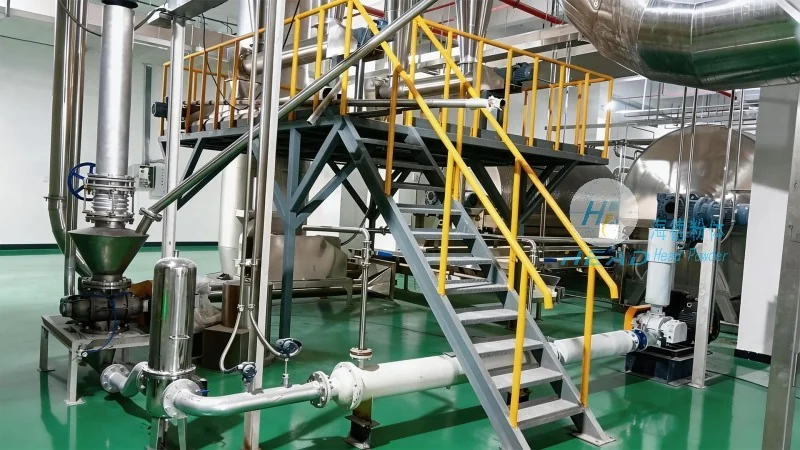
Overview of Polycarbonate Pneumatic Conveying Equipment
Polycarbonate pneumatic conveying equipment is engineered to meet the demands of modern industrial applications where the safe and efficient transfer of powders is critical. The system typically consists of several core components that work in concert to achieve reliable material transport. These components include a hopper for material storage, a conveying line (often made from polycarbonate or other suitable materials), a blower or air compressor to generate the necessary airflow, and a receiver or discharge unit to collect the conveyed material. The use of polycarbonate in the construction of the conveying line is particularly significant, as it offers exceptional resistance to chemical corrosion, impact resistance, and optical clarity, making it ideal for applications involving sensitive or high-value powders.
Key Structural Components and Their Functions
The structural design of polycarbonate pneumatic conveying equipment is tailored to optimize performance and durability. The hopper, typically made from robust materials like stainless steel or high-grade plastic, serves as the initial storage container for the powder. It is equipped with a feed mechanism, such as a rotary valve or a screw feeder, which controls the flow of material into the conveying line. The conveying line itself is a critical component, often manufactured from polycarbonate tubes or pipes, which are chosen for their lightweight nature, high impact strength, and resistance to abrasion and chemical exposure. The blower or air compressor is responsible for generating the airflow that propels the powder particles through the system. This component can be either positive displacement or centrifugal, depending on the specific requirements of the application. The receiver or discharge unit is designed to collect the material at the destination point, often equipped with a dust collection system to ensure environmental compliance and material purity.

Operational Principle of Pneumatic Conveying
The operational principle of polycarbonate pneumatic conveying equipment is based on the fundamental physics of fluid dynamics and particle motion. When the blower generates airflow, it creates a pressure differential within the conveying line. This pressure difference causes the powder particles to be entrained by the air stream, forming a suspension that is then transported through the system. The speed and pressure of the airflow are carefully controlled to ensure that the powder particles remain suspended without settling or clogging the line. The polycarbonate material of the conveying line plays a crucial role in maintaining this suspension by providing a smooth, non-abrasive surface that minimizes particle attrition and prevents material buildup. The system operates by alternating between phases of material loading and transport, with the feed mechanism introducing material into the line while the blower maintains the airflow to move it to the receiver.

Advantages of Polycarbonate Material in Pneumatic Conveying
Polycarbonate is selected for the construction of pneumatic conveying equipment due to its unique combination of properties that address the challenges of powder handling. Its high impact resistance makes it capable of withstanding the mechanical stresses associated with material transport, including impacts from powder particles or accidental collisions. The material is also highly resistant to chemical corrosion, which is essential for applications involving powders that may be reactive or sensitive to moisture or other chemicals. Additionally, polycarbonate offers excellent optical clarity, allowing for visual inspection of the material flow within the conveying line—an important feature for quality control and process monitoring. These properties collectively contribute to the long service life and reliability of polycarbonate pneumatic conveying systems, making them a preferred choice in industries such as pharmaceuticals, food processing, and fine chemicals.

Applications and Practical Considerations
Polycarbonate pneumatic conveying equipment is widely used across various industries where the handling of fine powders is required. In the pharmaceutical industry, for example, it is employed to transport active pharmaceutical ingredients (APIs) and excipients with minimal risk of contamination, ensuring compliance with stringent regulatory standards. In the food processing sector, the equipment is used to handle powders like sugar, flour, and spices, maintaining product purity and preventing cross-contamination. The system is also utilized in the chemical industry for the transport of reactive powders, where the non-contact nature of the process minimizes the risk of material degradation or explosion. Practical considerations when implementing polycarbonate pneumatic conveying systems include the selection of appropriate airflow rates and pressure levels to prevent material clogging or degradation, as well as the proper maintenance of components such as the blower and feed mechanism to ensure consistent performance. Additionally, the design of the system must account for the specific characteristics of the powder being conveyed, such as particle size, density, and moisture content, to optimize efficiency and reliability.
Conclusion
Polycarbonate pneumatic conveying equipment represents a sophisticated and effective solution for the transportation of powder materials in industrial settings. Its structural design, incorporating robust components and utilizing polycarbonate for the conveying line, ensures reliable performance and durability. The operational principle, based on air flow and particle suspension, allows for efficient and non-contact material transport, while the advantages of polycarbonate material, including impact resistance, chemical resistance, and optical clarity, enhance the system's suitability for a wide range of applications. As a key technology in material handling, polycarbonate pneumatic conveying equipment continues to play a vital role in industries where the safe and efficient transfer of powders is essential. The expertise of companies like Shandong HeadPowder Engineering Co., Ltd., based in China, is instrumental in providing tailored solutions that meet the specific needs of various industrial sectors, ensuring optimal performance and compliance with industry standards.