

What is Cobalt Hydroxide Pneumatic Conveying Equipment? An Introduction to the Structure and Princip
For industries dealing with cobalt hydroxide, efficient and reliable material handling is crucial. The pneumatic conveying equipment designed for cobalt hydroxide plays a vital role in ensuring smooth production processes. This article, brought to you by Shandong HeadPowder Engineering Co., Ltd., provides an in-depth look at the structure and operational principles of such equipment, helping users understand its functionality and application in industrial settings.

Understanding Pneumatic Conveying Systems for Cobalt Hydroxide
Pneumatic conveying systems are widely used in the chemical and material processing industries to transport fine powders like cobalt hydroxide. These systems utilize air or other gases to move materials from one location to another, offering advantages such as low maintenance, minimal product contamination, and the ability to handle sensitive materials without mechanical contact. The equipment is particularly suitable for cobalt hydroxide due to its hygroscopic nature and the need for gentle handling to prevent agglomeration or degradation.
The Core Components of Cobalt Hydroxide Pneumatic Conveying Equipment
The structure of a typical cobalt hydroxide pneumatic conveying system consists of several key components that work in tandem to ensure effective material transport. These components include the hopper, feeder, conveying line, and receiver. The hopper serves as the storage container for the cobalt hydroxide, providing a controlled environment to prevent moisture absorption and material degradation. The feeder, often a rotary valve or a screw feeder, regulates the flow of material into the conveying line, ensuring a consistent and controlled discharge rate. The conveying line, which can be made of stainless steel or other corrosion-resistant materials, is designed to withstand the chemical properties of cobalt hydroxide and maintain air pressure. The receiver is the final storage or processing container where the material is deposited after being conveyed through the system.

Operational Principle: How the Equipment Works
The operational principle of cobalt hydroxide pneumatic conveying equipment is based on the creation of a high-velocity air stream that entrains the powder particles and transports them through the system. The process begins with the material being fed from the hopper into the conveying line. As the air is introduced at a high velocity, it creates a negative pressure or positive pressure environment, depending on the system design, which pulls or pushes the powder particles along the line. The air velocity is carefully controlled to ensure that the particles are fully suspended and transported without causing excessive wear or damage to the equipment. The receiver then collects the material as the air is filtered and returned to the system or released, depending on the design.
Advantages of Using Pneumatic Conveying for Cobalt Hydroxide
Employing pneumatic conveying equipment for cobalt hydroxide offers several benefits that enhance operational efficiency and product quality. One of the primary advantages is the ability to handle hygroscopic materials like cobalt hydroxide without exposing them to external moisture, which can affect their chemical properties. The enclosed system prevents contamination from dust or other environmental factors, maintaining the purity of the material. Additionally, the equipment allows for flexible and scalable solutions, as the conveying line can be extended or modified to accommodate changes in production volume or layout. The low maintenance requirements and reduced need for mechanical components also contribute to cost savings over time.
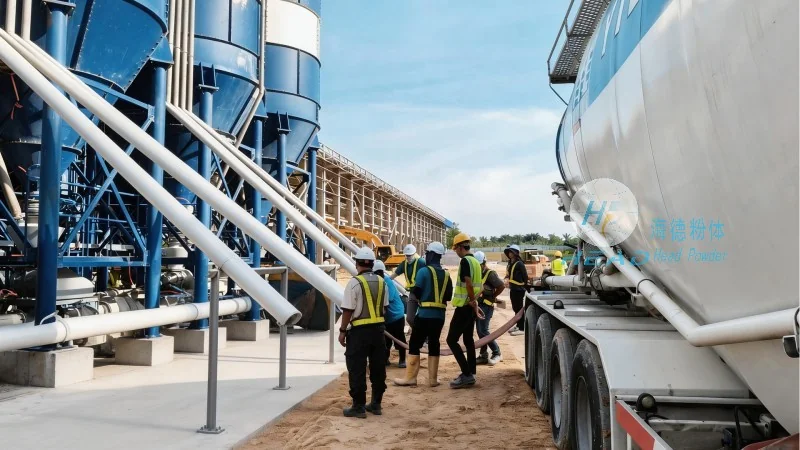
Application in Industrial Settings
In industrial applications, cobalt hydroxide pneumatic conveying equipment is commonly used in battery manufacturing, chemical production, and material processing facilities. The equipment is integrated into production lines to transport cobalt hydroxide from storage to processing units, such as reactors or mixing equipment. The consistent and controlled flow of material ensures that downstream processes operate smoothly, reducing downtime and improving overall productivity. The reliability of the system also minimizes the risk of material loss or spillage, which is critical for maintaining safety and compliance with environmental regulations.
Conclusion
Cobalt hydroxide pneumatic conveying equipment is a sophisticated solution for handling fine powders in industrial applications. By understanding its structure and operational principles, users can optimize the equipment for their specific needs, ensuring efficient material transport and maintaining product quality. The technology continues to evolve, with advancements in materials and control systems enhancing its performance and versatility. For industries dealing with cobalt hydroxide, investing in reliable pneumatic conveying equipment is essential for achieving consistent production and meeting the demands of modern manufacturing.