

What is Corn Pneumatic Conveying? An Introduction to the Working Principle of Powder Handling System
For industries dealing with bulk materials like corn, efficient and reliable material handling is crucial. Corn pneumatic conveying systems represent a sophisticated solution for transporting corn and other similar powders or granules. This article delves into the fundamental principles behind corn pneumatic conveying, explaining how these systems operate and the key components involved.

The working principle of a corn pneumatic conveying system involves the use of air or gas to transport solid particles through a pipeline. This method, also known as pneumatic conveying, offers several advantages over traditional mechanical methods, such as reduced equipment wear, lower maintenance costs, and the ability to handle a wide range of particle sizes and moisture contents. The system typically consists of a hopper for material storage, a conveyor line (often a pipeline), a blower or air compressor to generate the necessary airflow, and a receiver or discharge point for the material.
The process begins with the corn being fed into the hopper from a storage silo or other source. The material then flows into the conveyor line under the influence of the air pressure created by the blower. The air and corn particles are mixed in the pipeline, creating a slurry-like flow that moves the material to the destination. The system can be designed as either a positive pressure system, where air is blown into the line, or a negative pressure system, where air is drawn out from the line. The choice between these two depends on factors like the distance to be covered, the material properties, and the need to contain dust.

Key components of a corn pneumatic conveying system include the hopper, which is equipped with a feeder to control the flow rate of the corn, ensuring a consistent supply to the conveyor line. The blower or air compressor is responsible for generating the airflow, with its capacity and pressure determined by the system's requirements. The pipeline is typically made of materials like stainless steel or plastic, chosen for their resistance to corrosion and wear from the corn particles. The receiver or discharge point is where the corn is collected after being transported through the system, often equipped with a filter to remove any remaining dust or particles from the air.
One of the primary benefits of corn pneumatic conveying is its ability to handle large volumes of material with minimal labor. The system can be automated, with controls that adjust the air flow and material feed rate based on real-time conditions. This not only improves efficiency but also reduces the risk of material buildup or blockages in the pipeline. Additionally, the enclosed nature of the system helps to contain dust and prevent contamination, which is particularly important for food-grade products like corn.
Shandong HeadPowder Engineering Co., Ltd., a leading manufacturer in the field of powder handling systems, specializes in designing and supplying corn pneumatic conveying solutions tailored to the specific needs of agricultural and food processing industries. With years of experience and a commitment to quality, HeadPowder provides systems that are reliable, efficient, and compliant with industry standards. The company's expertise lies in understanding the unique challenges of handling corn and other bulk materials, and developing customized solutions that maximize productivity while minimizing operational costs.
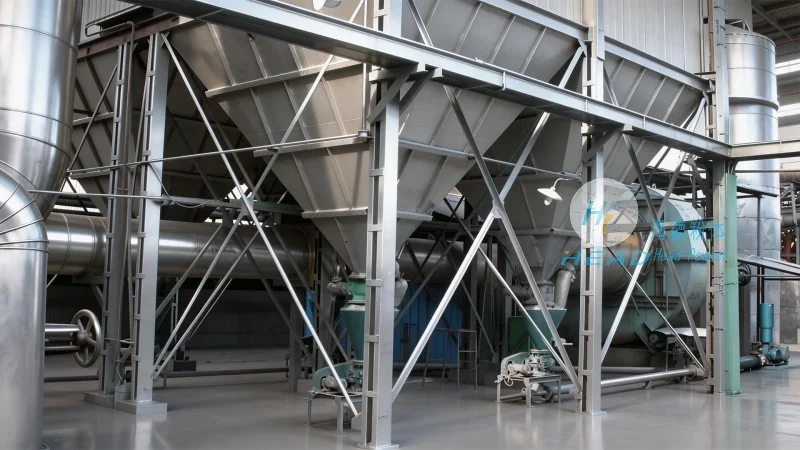
The company's facilities are located in Shandong, China, where they leverage advanced manufacturing technologies and skilled engineering teams to produce high-quality corn pneumatic conveying equipment. Their product line includes a range of components such as hoppers, feeders, blowers, and pipelines, all designed to work together seamlessly in a corn pneumatic conveying system. By partnering with HeadPowder, businesses can benefit from expert guidance in system design, installation, and maintenance, ensuring that their corn handling operations run smoothly and efficiently.
In conclusion, corn pneumatic conveying is a highly effective method for transporting corn and other similar materials. By understanding the working principles and key components of these systems, industries can make informed decisions about implementing efficient material handling solutions. With the support of companies like Shandong HeadPowder Engineering Co., Ltd., businesses can achieve optimal performance and reliability in their corn processing operations, ultimately enhancing their overall productivity and profitability.