

Components of Desulfurization Sodium Bicarbonate Pneumatic Conveying
Desulfurization sodium bicarbonate pneumatic conveying systems are integral to modern industrial processes, particularly in the context of flue gas treatment and chemical handling. Understanding the components that make up such a system is crucial for optimizing performance, ensuring safety, and maintaining operational efficiency. This article provides a detailed overview of the key components involved in desulfurization sodium bicarbonate pneumatic conveying, based on the expertise of Shandong HeadPowder Engineering Co., Ltd. (headpowder), a leading provider in the field, with operations based in Shandong, China.

Key Components of the Pneumatic Conveying System
The desulfurization sodium bicarbonate pneumatic conveying system comprises several essential parts, each playing a vital role in the overall operation. The primary components include the storage and feeding equipment, the conveying pipeline, the air supply system, and the control and monitoring devices. Each of these components is designed to work in harmony to ensure the efficient transport of sodium bicarbonate, a critical reagent in flue gas desulfurization processes.
Storage and Feeding Equipment
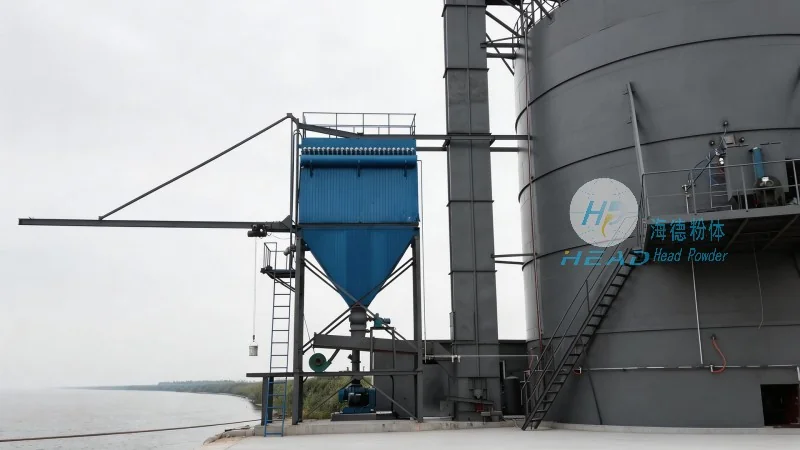
The storage and feeding equipment is the first component in the system. It typically consists of a storage silo or hopper where the desulfurization sodium bicarbonate is stored. The silo is equipped with a feeding mechanism, such as a rotary valve or a screw feeder, which regulates the flow of the material into the conveying pipeline. This equipment ensures a consistent and controlled feed rate, preventing blockages and maintaining the integrity of the material. The storage silo is often designed with features like a dust collection system to minimize emissions and maintain a clean working environment.

The Conveying Pipeline
The conveying pipeline is the core of the pneumatic conveying system, responsible for transporting the sodium bicarbonate from the storage area to the point of use. The pipeline is usually made of materials like stainless steel or polyethylene, chosen for their resistance to corrosion and chemical compatibility with the sodium bicarbonate. The design of the pipeline, including the diameter, length, and layout, is critical to the system's performance. Properly sized and configured pipelines minimize pressure drop and ensure smooth material flow. The pipeline may also include components such as bends, elbows, and expansion joints to accommodate changes in direction and elevation, maintaining the material's velocity and preventing deposition.
Air Supply System
The air supply system provides the necessary pressure and volume of air to move the sodium bicarbonate through the pipeline. This system typically includes a blower or a fan, which generates the required airflow. The blower is often selected based on the system's capacity and the material's properties, ensuring sufficient velocity to keep the material suspended and conveyed. The air supply system may also include filters and dryers to maintain air quality and prevent moisture from affecting the material or the equipment. Proper air management is essential to avoid excessive energy consumption and to ensure the system operates within safe pressure limits.
Control and Monitoring Devices
Control and monitoring devices are crucial for the safe and efficient operation of the pneumatic conveying system. These devices include pressure sensors, flow meters, and control valves that monitor the system's performance in real-time. The control system may be automated, using sensors to adjust the feed rate or air pressure as needed, maintaining optimal conditions. Additionally, safety devices such as pressure relief valves and emergency shut-off valves are installed to prevent over-pressurization and ensure the system can be quickly shut down in case of an emergency. Regular monitoring and maintenance of these devices are essential to detect any issues early and prevent system failures.
Conclusion
In summary, the desulfurization sodium bicarbonate pneumatic conveying system is a complex but essential part of industrial operations. The components, including storage and feeding equipment, conveying pipelines, air supply systems, and control devices, work together to ensure the efficient and safe transport of sodium bicarbonate. Shandong HeadPowder Engineering Co., Ltd. specializes in designing and manufacturing such systems, leveraging their expertise to provide reliable and efficient solutions for their clients. By understanding and maintaining these components, industrial facilities can optimize their desulfurization processes, reduce operational costs, and enhance overall performance.