

Design of Iron Ore Fines Pneumatic Conveying System
Efficient and reliable material handling is a critical factor in modern industrial operations, particularly in the mining and processing sectors where the transportation of iron ore fines requires specialized solutions. The design of a pneumatic conveying system for iron ore fines represents a sophisticated approach to address the challenges of dust control, material flow consistency, and system durability. This article explores the key aspects of designing such a system, highlighting the expertise of Shandong HeadPowder Engineering Co., Ltd., a leading provider in the field.

Company Overview: HeadPowder Engineering
Shandong HeadPowder Engineering Co., Ltd., commonly known as HeadPowder, is a professional engineering firm dedicated to the design, manufacturing, and installation of pneumatic conveying systems. With a strong focus on innovation and customer-centric solutions, HeadPowder has established itself as a trusted partner for industries dealing with bulk materials. The company's headquarters is located in Shandong, China, where it leverages local resources and expertise to deliver high-quality engineering services tailored to the unique needs of each project.
Understanding Iron Ore Fines Pneumatic Conveying
Iron ore fines, typically with particle sizes ranging from 0.1 to 5 millimeters, present specific challenges when being transported. Traditional methods like belt conveyors or bucket elevators may suffer from issues such as material degradation, dust generation, and operational inefficiencies. Pneumatic conveying systems offer a solution by using air pressure to move the material through a pipeline network. This method not only reduces the risk of dust exposure but also enables the transport of materials over longer distances with minimal loss or degradation.
Key Design Considerations for Pneumatic Conveying Systems
The successful design of an iron ore fines pneumatic conveying system involves several critical factors. First, the selection of the appropriate conveying type—such as positive pressure, negative pressure, or a combination—depends on the specific application requirements, including the distance, elevation change, and material characteristics. Positive pressure systems use blowers to force air and material through the pipeline, while negative pressure systems use vacuum to draw material from the source. The choice of equipment, including the blower, cyclone separators, and material feeders, is also crucial. For iron ore fines, high-efficiency cyclones are often employed to separate the material from the air stream, ensuring that the ore is recovered efficiently and the air is cleaned for reuse.

System Components and Their Functions
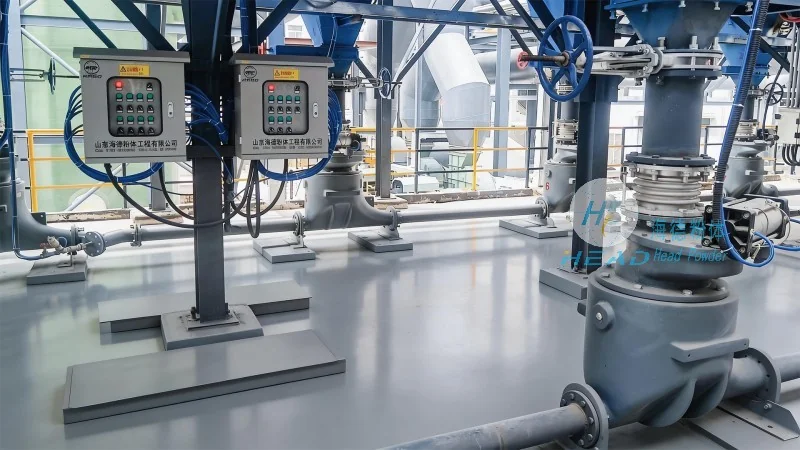
A typical iron ore fines pneumatic conveying system consists of several key components, each playing a vital role in the overall operation. The system begins with a material feeder, which accurately controls the flow rate of the ore fines into the pipeline. This is followed by a blower or fan that generates the necessary air pressure to move the material. The pipeline network, made from materials like stainless steel or plastic, must be designed to withstand the abrasive nature of iron ore fines and the pressure differentials within the system. Cyclone separators are installed at strategic points to separate the ore from the air, with the separated material being discharged into storage bins or processing equipment. The air stream, now free of particles, is either filtered and recycled back into the system or released to the atmosphere, depending on environmental regulations.
Advantages of Pneumatic Conveying for Iron Ore Fines
Compared to traditional bulk material handling methods, pneumatic conveying offers several advantages for iron ore fines. One of the most significant benefits is the reduction in dust generation, which enhances workplace safety and compliance with environmental regulations. The enclosed system also minimizes material loss and contamination, ensuring that the ore quality is maintained throughout the transportation process. Additionally, pneumatic conveying systems can handle a wide range of particle sizes and moisture content, making them versatile for various mining and processing applications. The ability to transport materials over long distances without the need for multiple transfer points also improves operational efficiency and reduces downtime.
Application Scenarios and Case Studies
HeadPowder has successfully implemented iron ore fines pneumatic conveying systems in various industrial settings. For example, in a mining operation, the system was designed to transport ore from a crusher to a storage silo over a distance of 500 meters, with an elevation change of 20 meters. The system utilized a positive pressure blower and high-efficiency cyclones to achieve a consistent flow rate of 100 tons per hour, with minimal dust emissions. Another application involved a steel plant where the system was used to convey iron ore fines from a raw material storage area to a sintering plant, improving the overall material handling efficiency and reducing labor costs. These case studies demonstrate the effectiveness of pneumatic conveying systems in enhancing productivity and operational reliability.
Customization and Engineering Solutions
HeadPowder understands that each iron ore fines project has unique requirements, and therefore, offers customized engineering solutions. The company works closely with clients to conduct a thorough analysis of the material properties, operational conditions, and site constraints. Based on this analysis, HeadPowder designs a system that optimizes performance, energy efficiency, and cost-effectiveness. The engineering team at HeadPowder leverages advanced software tools and years of industry experience to simulate the system's performance, ensuring that the final design meets all safety and regulatory standards. This approach not only reduces the risk of system failures but also maximizes the return on investment for the client.
Conclusion and Future Outlook
The design of an iron ore fines pneumatic conveying system is a complex but essential process that requires expertise in both material science and mechanical engineering. Shandong HeadPowder Engineering Co., Ltd. has established itself as a leader in this field, providing comprehensive solutions that address the specific challenges of iron ore fines transportation. By focusing on innovation, quality, and customer satisfaction, HeadPowder continues to deliver systems that enhance operational efficiency, improve safety, and contribute to the sustainable development of the mining and processing industries. As the demand for efficient material handling solutions grows, the role of pneumatic conveying systems in iron ore fines transportation will remain critical, and companies like HeadPowder will continue to play a vital role in meeting these needs.