

Design of Wheat Bran Pneumatic Conveying System
Wheat bran, a byproduct of the milling process, is widely used in various industries such as animal feed, biofuel production, and food processing. Efficient and reliable handling of wheat bran is crucial for optimizing production lines and maintaining product quality. The design of a pneumatic conveying system specifically tailored for wheat bran presents unique challenges due to its physical properties, including low bulk density, high moisture content, and potential for dust generation. This article explores the key considerations and technical solutions involved in designing an effective wheat bran pneumatic conveying system, with a focus on the expertise of Shandong HeadPowder Engineering Co., Ltd., a leading provider in the field.
Company Overview: HeadPowder Engineering
HeadPowder, operating under the full name Shandong HeadPowder Engineering Co., Ltd., is a specialized engineering firm based in Shandong, China. With years of experience in the design and implementation of material handling systems, HeadPowder has established itself as a trusted partner for industries requiring advanced pneumatic conveying solutions. The company's commitment to innovation and customer-centric design ensures that each project is tailored to meet specific operational needs, whether it involves bulk material transport, dust control, or integration with existing production lines.
Key Design Considerations for Wheat Bran Pneumatic Conveying
The successful design of a wheat bran pneumatic conveying system hinges on several critical factors that address the material's characteristics and operational requirements. First, the selection of the appropriate conveying type—such as dilute phase or dense phase—depends on the distance, elevation, and flow rate needed. For wheat bran, dilute phase systems are often preferred due to their lower energy consumption and ability to handle high volumes, though dense phase systems may be necessary for longer distances or when maintaining product integrity is paramount. The system design must also account for the bran's moisture content, as higher moisture levels can lead to increased friction and blockages, requiring specialized equipment like rotary air locks and pulse jet filters to prevent clogging and ensure consistent flow.

System Components and Their Functionality
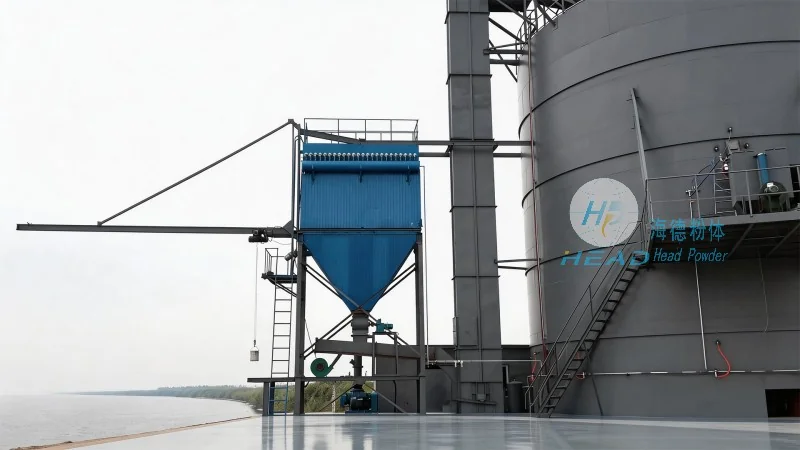
A typical wheat bran pneumatic conveying system comprises several key components, each playing a vital role in the overall operation. The system begins with a hopper or silo that stores the wheat bran, equipped with a level indicator to monitor inventory levels. A rotary valve or feeder is used to control the flow rate, ensuring a steady supply of material to the conveyor. The conveyor itself, often a pipeline system with multiple bends and vertical sections, is designed to handle the bran's low bulk density and potential for dust. Air is introduced into the system via a blower or compressor, creating a flow that propels the bran through the pipeline. At the receiving end, a separator or cyclone separates the bran from the air, while a rotary air lock or valve controls the discharge into the next process stage. Dust collection systems, including pulse jet filters, are integrated to capture airborne particles and maintain a clean working environment.
Advantages of a Custom-Designed System
Implementing a custom-designed pneumatic conveying system for wheat bran offers numerous advantages over traditional methods like belt conveyors or bucket elevators. The primary benefit is the reduction in labor costs and maintenance, as pneumatic systems require fewer moving parts and are less prone to mechanical failures. Additionally, the system provides better dust control, which is essential for compliance with environmental regulations and maintaining workplace safety. The ability to transport wheat bran over long distances without the need for intermediate storage or transfer points also enhances operational efficiency and reduces downtime. For food processing applications, the system's ability to maintain product temperature and prevent contamination is critical, making it an ideal choice for industries where product quality is paramount.

Case Study: Successful Implementation by HeadPowder
HeadPowder has successfully implemented numerous wheat bran pneumatic conveying systems for clients across various industries. One notable project involved a large-scale animal feed manufacturer in Shandong, China, who required a system to transport wheat bran from storage silos to mixing facilities over a distance of 200 meters. The custom-designed dilute phase system, equipped with a high-efficiency blower and pulse jet filter, was able to maintain a consistent flow rate of 10 tons per hour while minimizing dust emissions. The system's integration with the existing production line was seamless, with minimal disruption to operations. The client reported significant improvements in production efficiency and reduced maintenance costs, highlighting the effectiveness of HeadPowder's engineering solutions.
Conclusion and Future Outlook
The design of a wheat bran pneumatic conveying system requires a deep understanding of the material's properties and the specific needs of the end-user. Shandong HeadPowder Engineering Co., Ltd. leverages its expertise and innovative approach to deliver systems that are not only efficient and reliable but also tailored to meet the unique challenges of handling wheat bran. As industries continue to seek more sustainable and cost-effective material handling solutions, the demand for advanced pneumatic conveying systems is expected to grow. HeadPowder remains at the forefront of this evolution, providing cutting-edge solutions that enhance productivity and ensure the quality of wheat bran-based products.