

Key Design Points for Big Malt Pneumatic Conveying System Solutions
Big malt pneumatic conveying systems are critical components in the malting and brewing industries, facilitating the efficient transport of malt from storage to processing areas. Proper system design ensures optimal performance, minimal product degradation, and compliance with industry standards. This article outlines key design considerations for such systems, presented by Shandong HeadPowder Engineering Co., Ltd., a leading provider of engineering solutions in China.

Understanding the Importance of System Design in Malt Handling
In the malting and brewing sectors, the reliability and efficiency of material handling systems directly impact production throughput and product quality. Pneumatic conveying systems offer advantages such as reduced contamination risk, lower energy consumption compared to mechanical systems, and the ability to handle bulk materials like big malt over long distances. However, the success of these systems hinges on meticulous design, which must account for the unique characteristics of malt—its moisture content, particle size distribution, and susceptibility to breakage.
Key Design Considerations for Big Malt Pneumatic Conveying Systems
When designing a pneumatic conveying system for big malt, several critical factors must be addressed to ensure operational excellence. First, the selection of the appropriate conveying method—whether dilute phase or dense phase—is paramount. Dilute phase systems, which use low air velocity and high air-to-material ratios, are suitable for short to medium distances and low to moderate material loads. Dense phase systems, on the other hand, employ higher air pressure and lower air-to-material ratios, ideal for long-distance transport and sensitive materials like malt that require minimal agitation. The choice between these methods depends on the specific application requirements, including distance, material characteristics, and desired system efficiency.

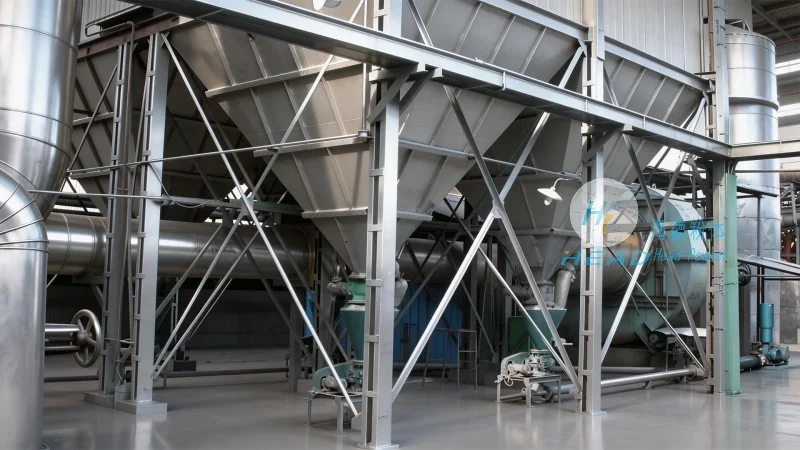
Second, the selection of equipment components is a critical design step. Key components include the hopper or feeder, which must be designed to minimize material bridging and ensure consistent flow. The feeder, often a rotary valve or screw feeder, must handle the bulk density and flow characteristics of big malt without causing excessive wear or product degradation. The pipeline system, including the main conveying line and branch lines, must be constructed from materials resistant to corrosion and abrasion, such as stainless steel or specialized alloys, to withstand the abrasive nature of malt particles. Additionally, the air compressor and filter system must be sized appropriately to provide sufficient air pressure and maintain air quality, preventing contamination of the malt.
System Layout and Flow Optimization
The layout of the pneumatic conveying system significantly influences its performance and efficiency. A well-designed layout minimizes pressure losses and ensures smooth material flow. Key considerations include the positioning of the hopper, feeder, and air compressor to create a logical flow path. The use of vertical and horizontal pipe segments, along with appropriate bends and elbows, must be optimized to reduce turbulence and pressure drop. Additionally, the inclusion of surge hoppers or buffer tanks can help manage material flow and prevent system overloading, ensuring consistent operation. Properly sized and positioned isolation valves and check valves are also essential for system maintenance and safety.

Material Handling and Product Protection
Protecting the quality of big malt during transport is a top priority in system design. Malt is a delicate product that can be easily broken or damaged by excessive impact or friction. Therefore, the design must incorporate features that minimize these risks. For example, using smooth, rounded pipe interiors and avoiding sharp bends or abrupt changes in pipe diameter reduces the likelihood of particle breakage. The selection of a dilute phase system, with its lower air velocity, is often preferred for malt handling as it reduces mechanical stress on the material. Additionally, the inclusion of air filters and moisture control measures helps maintain the malt's quality and prevent spoilage during transport.
Integration with Existing Facilities and Compliance
When implementing a new pneumatic conveying system, it is essential to integrate it seamlessly with existing production facilities. This involves coordinating with the layout of storage silos, processing equipment, and other material handling systems to ensure a smooth workflow. The design must also consider regulatory compliance, including safety standards for dust explosion prevention and environmental regulations for air emissions. Shandong HeadPowder Engineering Co., Ltd. specializes in designing systems that meet these requirements, ensuring that the final solution is not only efficient but also safe and compliant with industry regulations.
Conclusion
Designing an effective big malt pneumatic conveying system requires a comprehensive approach that considers material characteristics, operational requirements, and safety standards. By addressing key design points such as conveying method selection, equipment choice, system layout, and product protection, engineers can develop systems that enhance production efficiency, maintain product quality, and ensure long-term reliability. As a leading provider of engineering solutions, Shandong HeadPowder Engineering Co., Ltd. offers expertise in designing and implementing such systems, helping clients in the malting and brewing industries achieve their operational goals.