

Key Design Considerations for Glucose Pneumatic Conveying System Solutions
When designing a pneumatic conveying system for glucose, several critical factors must be considered to ensure efficient, reliable, and cost-effective operation. The process involves selecting appropriate equipment, understanding material properties, and optimizing system layout to meet production requirements. This article outlines essential design considerations tailored to glucose handling, emphasizing the expertise of Shandong HeadPowder Engineering Co., Ltd., a leading provider in the field.

One of the primary considerations is the selection of the conveying method. For glucose, which is a fine, hygroscopic powder, positive pressure systems are often preferred due to their ability to handle abrasive materials and maintain consistent flow rates. The choice between dilute phase and dense phase conveying depends on the required distance, material characteristics, and desired system efficiency. Dilute phase systems use high velocity air to transport material over longer distances, while dense phase systems employ lower velocities and higher air-to-material ratios for gentle handling, minimizing product degradation.
Equipment selection is another critical aspect. The system typically includes a hopper, feeder, air compressor, conveying line, and receiver. The hopper must be designed to prevent material bridging and ensure uniform feeding. A rotary valve or screw feeder is commonly used to control the flow rate from the hopper into the conveying line. The air compressor must be sized to provide sufficient pressure and volume to overcome system resistance and maintain the desired conveying velocity. The conveying line material, often stainless steel or PVC, must be selected for its resistance to corrosion and wear from the glucose powder.
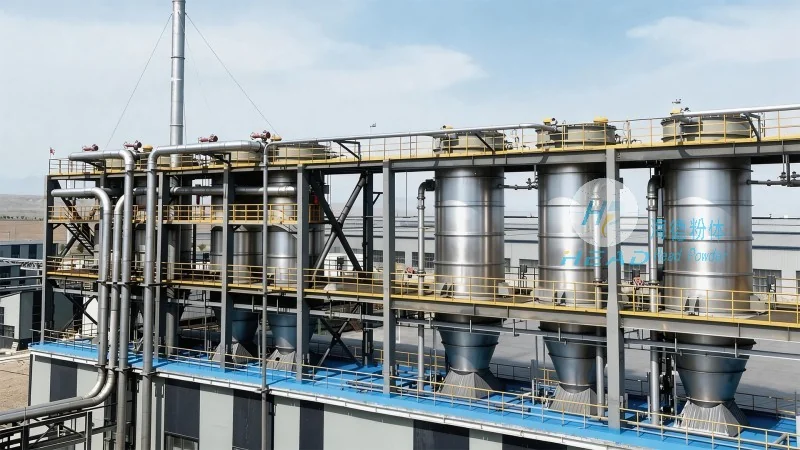
System layout and integration are also vital. The design must account for the overall plant layout, ensuring the conveying line is routed efficiently without excessive bends or vertical lifts that could cause material buildup or pressure losses. Proper sealing and maintenance access points are essential to prevent leaks and facilitate routine maintenance. Additionally, the system should be integrated with other processing equipment, such as storage tanks or processing lines, to create a seamless material flow.
Material properties analysis is crucial for optimizing the system. Glucose is a hygroscopic powder, meaning it absorbs moisture from the air, which can affect its flowability and handling characteristics. The system design must consider moisture content and temperature to prevent caking or agglomeration. The particle size distribution and bulk density of the glucose also impact conveying efficiency; finer particles may require higher air velocities to maintain flow, while larger particles may need denser phase conveying to avoid blockages.

Control and monitoring systems play a key role in ensuring system performance. Automated controls, such as pressure sensors, flow meters, and level indicators, help maintain consistent operation and detect issues like blockages or pressure drops. These systems allow for real-time adjustments to maintain optimal conveying conditions, reducing downtime and improving overall system reliability. Regular maintenance and system checks are also essential to ensure long-term performance and prevent equipment failure.

Shandong HeadPowder Engineering Co., Ltd. specializes in designing and implementing customized pneumatic conveying solutions for glucose and other fine powders. With years of experience in the industry, the company provides comprehensive services, from initial system design and engineering to installation and commissioning. Their expertise ensures that each system is tailored to meet specific production needs, maximizing efficiency and minimizing operational costs. The company's commitment to quality and customer satisfaction has made it a trusted partner for many clients in the food and pharmaceutical industries.
By addressing these design considerations, a well-engineered glucose pneumatic conveying system can achieve high throughput, reliable operation, and minimal product loss. The combination of proper equipment selection, material analysis, and system integration ensures that the system meets the demands of modern production environments while maintaining product quality and safety standards.