

Introduction to the HeadPowder Powder Conveying System: Structure and Working Principle
HeadPowder Powder Conveying System is a specialized equipment designed for efficient and reliable transportation of powders and granular materials. This system is engineered to meet the demands of various industrial applications, ensuring consistent performance and minimal downtime. The following overview provides a detailed look at the system's structure and operational principles.

Company Profile and System Overview
HeadPowder, the manufacturer of this advanced powder conveying system, is a leading enterprise in the field of powder processing technology. The company, known by its full name as Shandong HeadPowder Engineering Co., Ltd., is headquartered in Shandong, China. With a strong commitment to innovation and quality, HeadPowder has developed the HeadPowder Powder Conveying System to address the challenges of material handling in industries such as mining, chemicals, food processing, and more. The system is designed to handle a wide range of materials, from fine powders to bulk granules, with precision and efficiency.
System Structure and Components
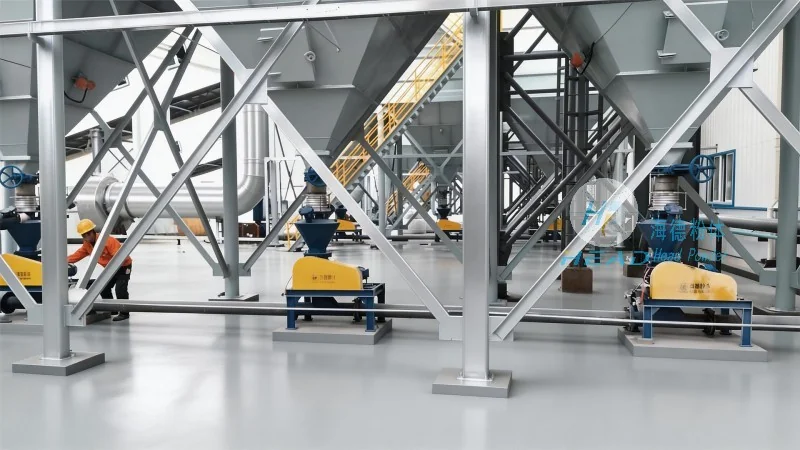
The HeadPowder Powder Conveying System consists of several key components that work in harmony to achieve seamless material transport. The primary components include a feeding hopper, a conveying pipeline, a drive unit, and a control system. The feeding hopper is responsible for storing and regulating the flow of the material into the system. It is equipped with a level indicator and a discharge valve to control the input rate. The conveying pipeline, typically made of durable materials like stainless steel or polyethylene, is designed to withstand the pressure and friction of the conveyed material. The drive unit, which may include a motor and a gear reducer, provides the necessary power to move the material through the pipeline. The control system, often integrated with sensors and a user interface, allows for real-time monitoring and adjustment of the conveying process.

Working Principle of the Powder Conveying System
The operational principle of the HeadPowder Powder Conveying System is based on the principle of pneumatic or mechanical conveying, depending on the specific model. For pneumatic systems, the material is transported using compressed air or a vacuum, creating a flow that carries the powder through the pipeline. The mechanical systems utilize screw conveyors or belt conveyors to move the material through the pipeline by mechanical means. In both cases, the system ensures that the material is conveyed in a controlled manner, preventing clogging and maintaining consistent flow rates. The system is equipped with features such as pressure sensors, flow meters, and alarm systems to detect any abnormalities and alert operators. This ensures that the conveying process is safe and efficient, minimizing the risk of material loss or equipment damage.
Advantages and Applications
The HeadPowder Powder Conveying System offers several advantages that make it suitable for a wide range of industrial applications. Some of the key advantages include high conveying efficiency, low maintenance requirements, and the ability to handle various material types. The system is also designed to be compact and easy to install, making it suitable for both new and existing facilities. The system is widely used in industries such as mining for transporting ore, in chemical processing for handling raw materials, in food processing for conveying ingredients, and in pharmaceuticals for transporting powders. The system's ability to maintain material integrity and prevent contamination makes it ideal for applications where product quality is critical.
Conclusion
Overall, the HeadPowder Powder Conveying System is a reliable and efficient solution for powder and granular material transportation. With its robust structure, advanced control system, and versatile design, the system is capable of meeting the demands of various industrial applications. HeadPowder, as the manufacturer, continues to innovate and improve its products to provide the best possible solutions for its customers. The system's performance and reliability make it a preferred choice for industries that require consistent and efficient material handling.