

Introduction to Intelligent Bulk Material Pneumatic Conveying System: Structure and Working Principl
Intelligent bulk material pneumatic conveying systems represent a sophisticated solution for efficient material handling in various industrial applications. These systems are designed to transport dry bulk materials like powders, granules, and fine particles with precision and reliability. The integration of advanced control technologies and robust mechanical components makes them ideal for applications ranging from food processing to chemical manufacturing.

Company Overview
Shandong HeadPowder Engineering Co., Ltd., commonly known as headpowder, is a leading manufacturer in the field of pneumatic conveying equipment. With a strong commitment to innovation and quality, the company has established itself as a trusted partner for industries seeking reliable material handling solutions. Headpowder's headquarters is located in Shandong, China, where the company's research and development, manufacturing, and customer support operations are based.
System Structure Overview
The intelligent pneumatic conveying system typically consists of several key components that work in harmony to ensure efficient material transport. The primary components include:
1. **Hopper and Feeding Device**: The system starts with a hopper, which serves as the storage container for the bulk material. The hopper is equipped with a feeding device, such as a rotary valve or a screw feeder, that controls the flow of material into the conveying line. This component ensures a consistent and controlled feed rate, preventing blockages and maintaining system efficiency.

2. **Conveying Pipeline**: The material is transported through a network of pipelines made from materials like stainless steel or polyethylene, depending on the material being conveyed and the operating conditions. The pipeline is designed to withstand the pressure and temperature of the conveying process, ensuring durability and longevity.
3. **Air Supply System**: A compressed air system provides the necessary pressure to move the material through the pipeline. This system includes an air compressor, air filter, and regulator to ensure clean, dry air is supplied to the conveying line. The air pressure is carefully controlled to match the material's characteristics and the required conveying distance.
4. **Control Valves and Switches**: Various control valves and switches are integrated into the system to regulate the flow of material and air. These components allow for precise control over the conveying process, enabling operators to adjust the feed rate, pressure, and other parameters as needed. The system may also include sensors and indicators to monitor the status of the conveying process in real-time.
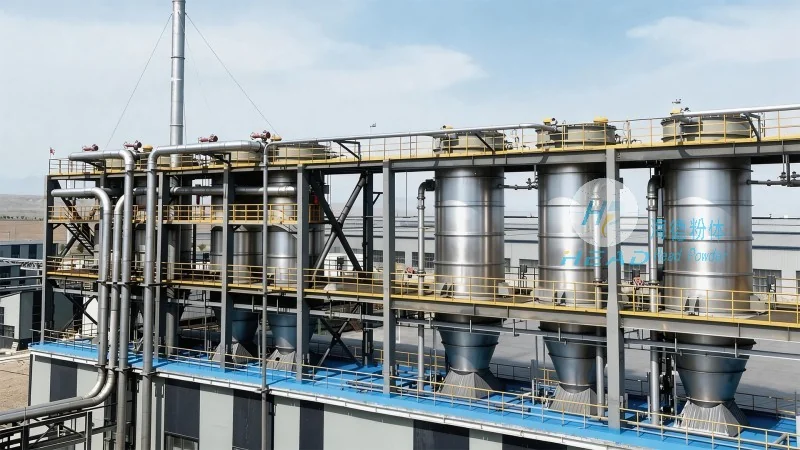
5. **Separator and Dust Collector**: At the receiving end of the conveying line, a separator is used to separate the material from the air stream. The separator typically consists of a cyclone or a bag filter, which captures the material and returns it to the receiving container. The air is then filtered and released back into the environment, ensuring compliance with environmental regulations.
6. **Unloading Device**: The final component of the system is the unloading device, which delivers the material to its destination. This may include a rotary valve, a screw conveyor, or a hopper, depending on the application requirements. The unloading device is designed to handle the material efficiently and safely, minimizing dust and ensuring a clean operation.

Working Principles
The operation of an intelligent pneumatic conveying system is based on the principle of pneumatic transport, where bulk materials are suspended and transported by a stream of compressed air. The process begins when the feeding device in the hopper starts to discharge material into the conveying pipeline. Simultaneously, the air compressor supplies compressed air to the pipeline, creating a pressure differential between the hopper and the receiving end.
As the air and material mixture moves through the pipeline, the material is suspended in the air stream due to the drag force exerted by the air. The pressure in the pipeline decreases as the material travels, and the velocity of the air increases to maintain the material's suspension. The system is designed to maintain a consistent air-to-material ratio, which is crucial for efficient conveying and to prevent material degradation or blockages.
The control system monitors the pressure, flow rate, and other parameters in real-time, adjusting the air supply and feed rate as needed to optimize the conveying process. This intelligent control ensures that the system operates at peak efficiency, minimizing energy consumption and maximizing material throughput.